
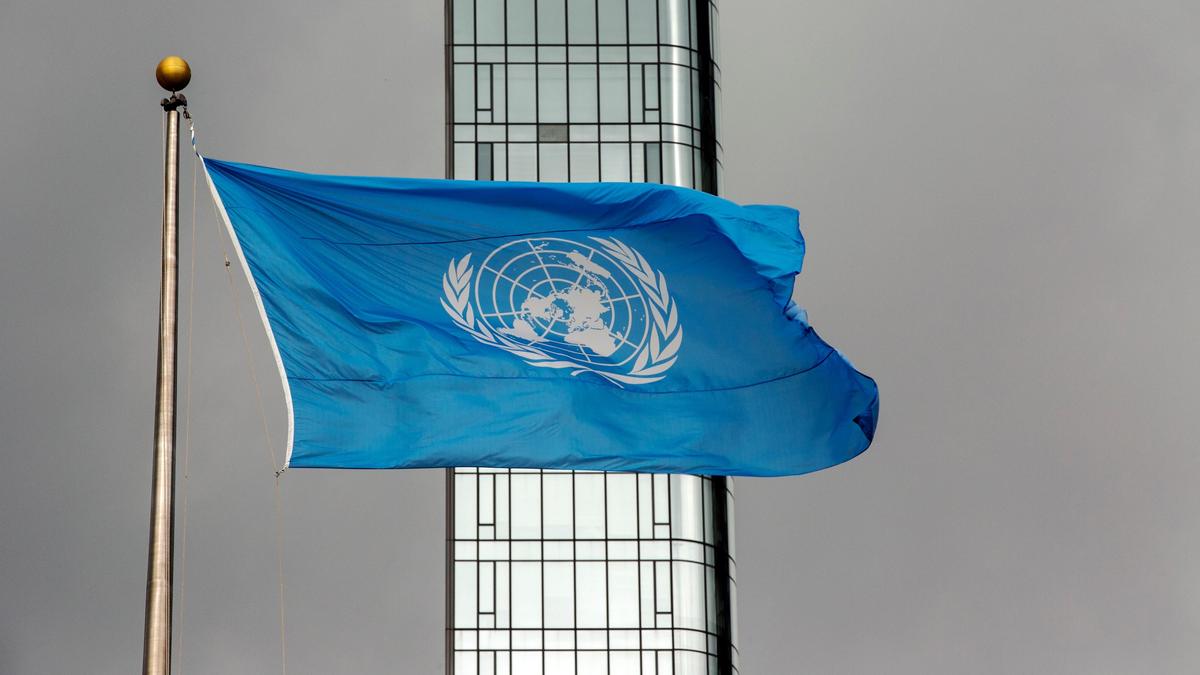

India has co-sponsored a landmark United Nations General Assembly resolution designating November 27 as the International Day for the Elimination of Child, Early and Forced Marriage, strengthening the global push to protect children, particularly girls, from underage and forced marriages.
The 193-member UN General Assembly adopted the Sierra Leone-led resolution by consensus on September 4, 2026. India was among around 70 countries that joined as co-sponsors of the initiative.
The newly designated international day will provide an annual platform for governments, UN agencies, civil society organisations and other stakeholders to raise awareness, strengthen prevention measures and accelerate efforts to eliminate child, early and forced marriage. The UN has listed November 27 as an annual international observance beginning in 2026.
Significance for India
The date has particular significance for India. November 27 was the day the Government of India launched its “Bal Vivah Mukt Bharat” (Child Marriage-Free India) campaign in 2024. The campaign seeks to reduce the prevalence of child marriage and ultimately make India free of the practice by 2030.
India has also reiterated its commitment to tackling child marriage through legislation, awareness campaigns and community-level interventions. In July 2026, India told the UN Human Rights Council that it supports the objective of ending child, early and forced marriage and highlighted measures including the Prohibition of Child Marriage Act, 2006 and the Bal Vivah Mukt Bharat campaign.
The UN resolution comes amid continuing global concern over the impact of child marriage on education, health, personal freedom and economic opportunities. UN officials and advocates have stressed that early and forced marriage can expose children to violence and exploitation while limiting their ability to complete education and participate fully in society.
For India, the international recognition of November 27 also places its domestic campaign within a broader global framework. The new observance is expected to provide an annual opportunity to assess progress, strengthen accountability and encourage countries to intensify efforts towards ending child, early and forced marriage in line with the 2030 Sustainable Development Goals.