
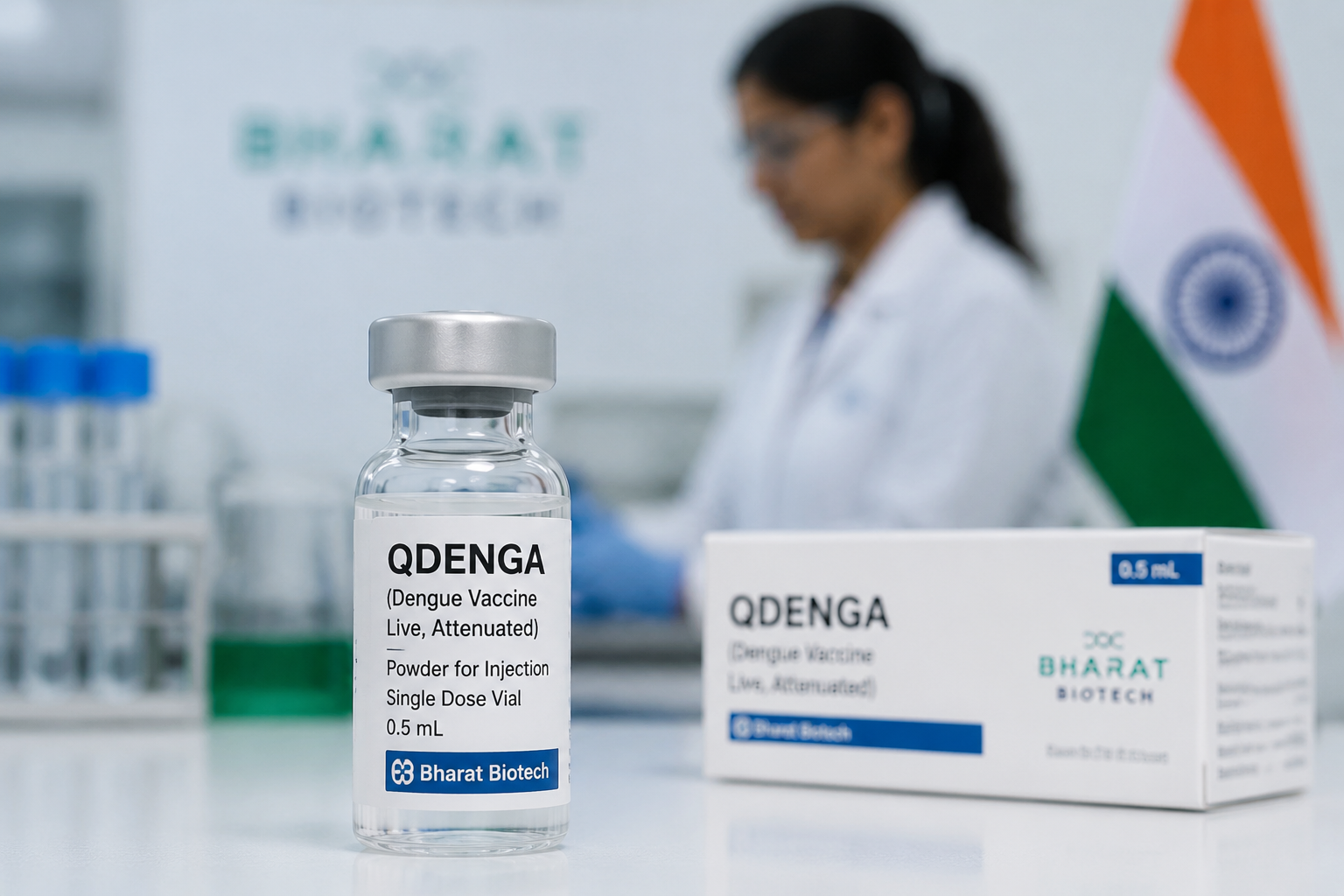

In a significant advancement for the nation’s public health infrastructure, India has officially granted regulatory clearance for its first vaccine against dengue. As of 21 July 2026, the Drugs Controller General of India (DCGI) has approved the use of QDENGA, a move that provides a new preventative tool against a virus that has long been a seasonal burden on the country’s medical systems.
According to reports, The approval follows a rigorous review process by the DCGI. The vaccine is now authorized for public use, signaling a shift in how health authorities intend to manage dengue outbreaks which typically surge during the monsoon months.
Broad Eligibility and Age Specifications
One of the primary features of this regulatory nod is the wide age demographic eligible for the vaccine. QDENGA has been approved for individuals ranging from 4 to 60 years of age. This broad spectrum suggests that the vaccine is intended to protect both school-aged children and a significant portion of the adult workforce, groups that are frequently impacted by the debilitating effects of the mosquito-borne virus.
The inclusion of children as young as four years old is particularly notable, as pediatric cases often lead to complications in high-burden areas. By covering nearly all age groups up to senior citizens, the authorization allows for a comprehensive immunization strategy across various social and professional settings.
Regulatory Framework and Administration
While the specific rollout schedule for the vaccine is still being finalized, the approval covers several critical operational aspects. The DCGI clearance includes established guidelines regarding eligibility, dosage, and the mechanism of how the vaccine works within the immune system.
Details regarding the exact number of doses and the interval between them have not been reported yet in the initial release of the approval documents. However, the clearance of these administrative frameworks ensures that healthcare providers have the necessary regulatory backing to begin planning large-scale vaccination drives. The approval of QDENGA is viewed by many as a "major public health breakthrough", providing a long-sought preventative measure where previously only symptomatic treatment and vector control were available.
A Milestone for Indian Public Health
This development marks the first time a dengue vaccine has been cleared for the Indian market, addressing a gap in the country's immunization portfolio. For decades, India has faced significant clinical challenges in managing dengue fever, with healthcare facilities often overwhelmed during peak seasons.
By introducing a vaccine that has met the standards of the DCGI, authorities are adding a critical layer of defense to complement existing mosquito eradication programs. While the immediate focus remains on the logistical deployment of the vaccine, the approval itself represents a data-driven shift toward proactive viral management. As the first vaccine of its kind in the country, QDENGA's performance will likely be closely monitored by health officials as it integrates into the broader public health strategy.