

New Delhi: Sudden death is one of the most shocking and emotionally devastating events for families, particularly when it affects young adults who appeared healthy until the very end.
Medically, sudden death is defined as a natural death occurring within one hour of the onset of symptoms in witnessed cases, or within 24 hours of the person last being seen alive in unwitnessed cases. Although sudden death is often associated with old age, growing evidence shows that it is not uncommon in young adults and represents an important but under-recognized public health issue in India.
A recent article published in the Indian Journal of Medical Research by researchers from the All India Institute of Medical Sciences (AIIMS), New Delhi, sheds light on this alarming problem. This AIIMS study carefully examined the incidence, causes and risk factors of sudden death, with special focus on young adults aged 18-45 years, using one of the most comprehensive forensic approaches reported from India.
The study was conducted over one year at the AIIMS forensic mortuary, where 2,214 autopsies were performed. Of these, 180 cases (8.1%) met the strict definition of sudden death. Strikingly, more than half of these deaths, 103 cases or 57.2%, occurred in young adults. This means that nearly 1 in every 20 autopsies performed at AIIMS during the study period involved a young person who had died suddenly and unexpectedly. Overall, sudden death in young adults accounted for 4.7% of all autopsies.
Most of the young individuals who died were men, with an average age of 33.6 years. The male-to-female ratio in this group was 4.5:1. The highest number of deaths occurred in people in their thirties, followed by those in their twenties and early forties. About 71.6% of all sudden death cases were residents of Delhi and the National Capital Region, and nearly 80.2% belonged to lower or middle socio-economic groups. More than half of the deaths occurred at home, while around 30.2% happened during travel. About 40.1% of deaths took place at night or in the early morning hours.
Common Symptoms
Families often reported a sudden loss of consciousness, which was the most common symptom noted in 35.8% of cases. Other reported symptoms included chest pain in 20.4%, shortness of breath in 10.5%, abdominal pain or vomiting in 19.1%, and fever in 6.2%. These symptoms were often brief and progressed rapidly, leaving little time for medical intervention.
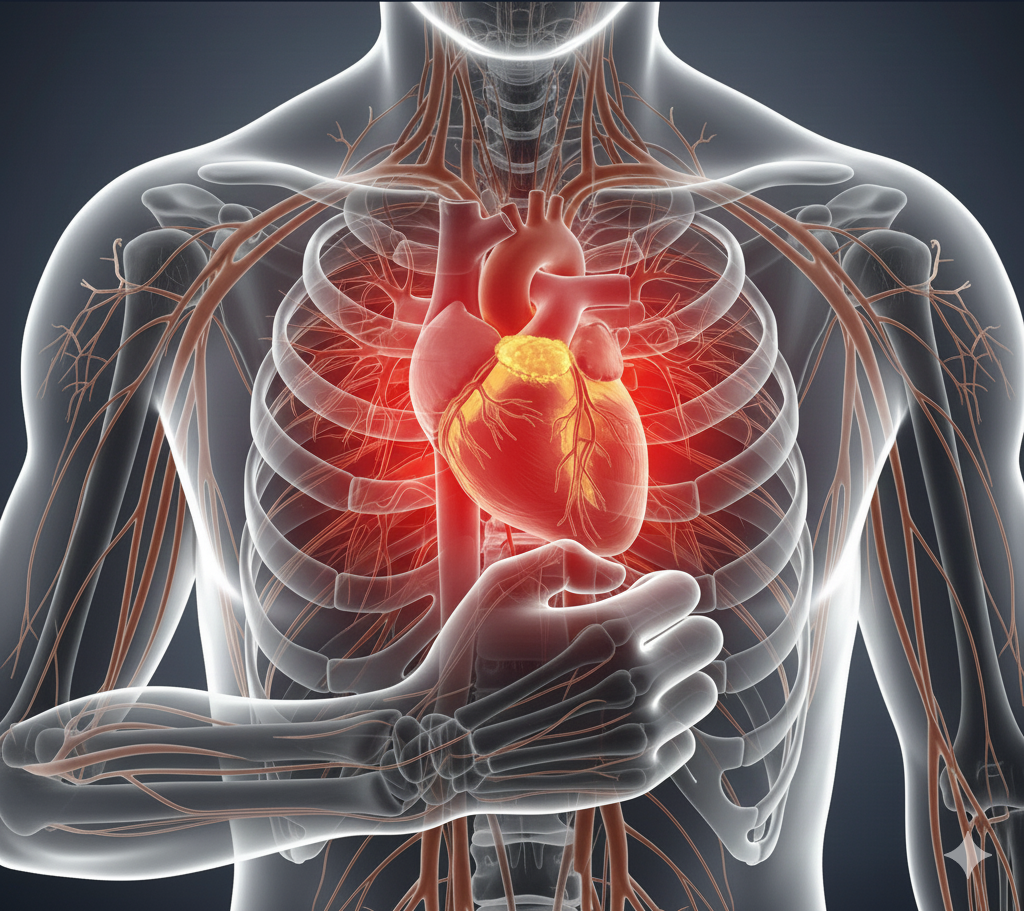
When the causes of death were analysed, diseases of the heart emerged as the leading cause in young adults. Cardiovascular causes accounted for 42.6% of sudden deaths in this age group. Among these, coronary artery disease was responsible for a striking 85% of cardiac deaths. In many young individuals, the arteries supplying blood to the heart were severely narrowed or blocked, leading to fatal heart attacks or lethal heart rhythm disturbances. The average age of young individuals who died due to coronary artery disease was just 36.3 years.
Lifestyle risk factors were commonly present. Among young adults who died due to coronary artery disease, 58.8% were chronic smokers and 44.1% were regular alcohol consumers. Nearly 29.4% had a history of both smoking and alcohol use, highlighting the dangerous combination of these habits at a young age. Structural heart diseases such as hypertrophic cardiomyopathy and congenital heart abnormalities were less common, accounting for about 10% of cardiac causes, but were seen at an even younger average age.
The second most common group of causes involved the lungs, accounting for 21.3% of sudden deaths in young adults. Half of these deaths were due to aspiration, often linked to heavy alcohol consumption. Pneumonia accounted for 30% of respiratory deaths, while tuberculosis, including disseminated and pulmonary forms, accounted for the remainder. These findings underline that serious infections continue to claim young lives, often silently and without timely diagnosis.
Equally concerning was the observation that in 21.3% of young adults, no definite cause of death could be identified even after detailed CT imaging, complete autopsy, and microscopic examination. These cases were classified as sudden unexplained deaths or “negative autopsies”. Most of these individuals were in their thirties, with a mean age of 30.5 years. Although minor heart changes such as mild hypertrophy or small ischemic areas were sometimes seen, they were insufficient to explain death.
Experts believe that many of these deaths may be due to hidden electrical abnormalities of the heart, known as arrhythmias, which leave no visible trace. The AIIMS authors emphasize that post-mortem genetic testing, or molecular autopsy, could help identify inherited heart rhythm disorders and allow screening of family members.
Heart disease, not Covid
When compared with older adults aged 46–65 years, clear differences emerged. Heart disease was the leading cause of sudden death in both groups, but it was far more dominant in older adults, accounting for 72.1% of deaths, compared with 42.6% in the young. Sudden unexplained deaths were less common in older adults, at 14.1%. Conditions such as diabetes and hypertension were significantly more prevalent in the older group, reflecting age-related risk patterns. Importantly, the study found no significant association between sudden death and a history of Covid-19 infection or Covid vaccination in either age group.
The AIIMS study is important because it goes beyond sudden cardiac death and examines the full spectrum of natural causes of sudden death, including respiratory, gastro-intestinal, neurological, and unexplained causes. It also highlights that most sudden deaths in India occur at home, often without a clear medical explanation unless a detailed autopsy is performed.
Sudden death in young adults is a serious and growing concern in India. The AIIMS findings show that premature coronary artery disease is the leading cause, followed by respiratory diseases and unexplained deaths. Many of these deaths are linked to preventable lifestyle factors such as smoking and alcohol use.
The study strongly advocates for better public awareness, early screening for heart disease in young people, and the integration of advanced diagnostic tools such as genetic testing. A comprehensive, multi-disciplinary approach is essential not only to understand why young people die suddenly, but also to prevent similar tragedies in the future.