

New Delhi: South-East Asia is entering a demographic transition that will shape its health, economy and social fabric for decades to come. In response, nine of the 10 countries in the WHO South-East Asia region came together on October 15 this year to endorse the Colombo Declaration — a wide-ranging commitment to strengthen primary health care and support healthy ageing. For a region that is home to about a quarter of the world’s population, the stakes could not be higher.
According to WHO estimates, the proportion of people aged 60 and above in the region will almost double over the next quarter century, rising from 11.3% in 2024 to 20.9% by 2050. Bangladesh and India will account for the largest absolute numbers of older adults due to their population size, while Thailand and the Maldives are projected to experience the fastest rate of ageing. Health systems across the region, many already under strain, will need significant strengthening to keep pace with these changes.
The Colombo Declaration represents a unified vision to prepare for this shift. Signed by Bangladesh, Bhutan, North Korea, India, Maldives, Nepal, Sri Lanka, Thailand and Timor-Leste, it lays out 10 key actions aimed at embedding healthy ageing within primary health-care systems, tackling ageism, improving financing, and strengthening data collection.
A recent Lancet analysis offers a detailed look at why such a declaration is urgently needed, and why implementation will not be simple. As the article explains, “only 11% of reporting member states had adequate funding to combat ageism and create age-friendly environments”, a finding that underscores how far the region must go to foster inclusive environments for older adults. Ageism — whether through discriminatory policies or simple neglect — remains a strong barrier to older people accessing the services they need.
Significant Gaps
The Lancet study also highlights significant gaps in health-care capacity across the region. According to the report, “just over half (55%) of member states reported adequate or substantial resources to provide integrated and primary health care for older people.” Integrated care — where physical, mental and social needs are addressed together — is essential for managing the chronic conditions that become more common with age. Yet for nearly half the region, such care remains out of reach due to shortages of funding, trained staff and infrastructure.
One example comes from Bangladesh, where fiscal constraints and logistical hurdles have limited the impact of primary health-care funding. As the Lancet commentary notes: “Bangladesh had underspent on their primary health-care budget due, in part, to staff and infrastructure shortages.” Underspending may seem surprising, but it often reflects deeper systemic issues: money may be allocated but cannot be effectively used due to gaps in human resources, supply chains or facility readiness.
Beyond health systems, the Colombo Declaration also aims to address the broader environment in which older adults live. The declaration calls for age-friendly cities and communities, improved transportation systems, and better social protection measures. These goals take on particular importance in a region where socio-economic inequality remains deep, and where the consequences of poverty can shape health across the entire life course.
The Lancet commentary points to stark evidence from India, where researchers found that adults aged 45 and older who live in extreme poverty face significantly poorer health outcomes. As the authors write: “Adults aged 45 years or older living in extreme poverty experienced a high prevalence of conditions linked to poorer ageing, such as frailty and hypertension, as well as risk factors for developing non-communicable diseases, such as smoking.”
The study showed that 39% of adults in extreme poverty were frail, compared with 33.6% of adults above the poverty line. Tobacco use was also markedly higher among the poorest: “40.3% used tobacco (vs 28.2%)”.
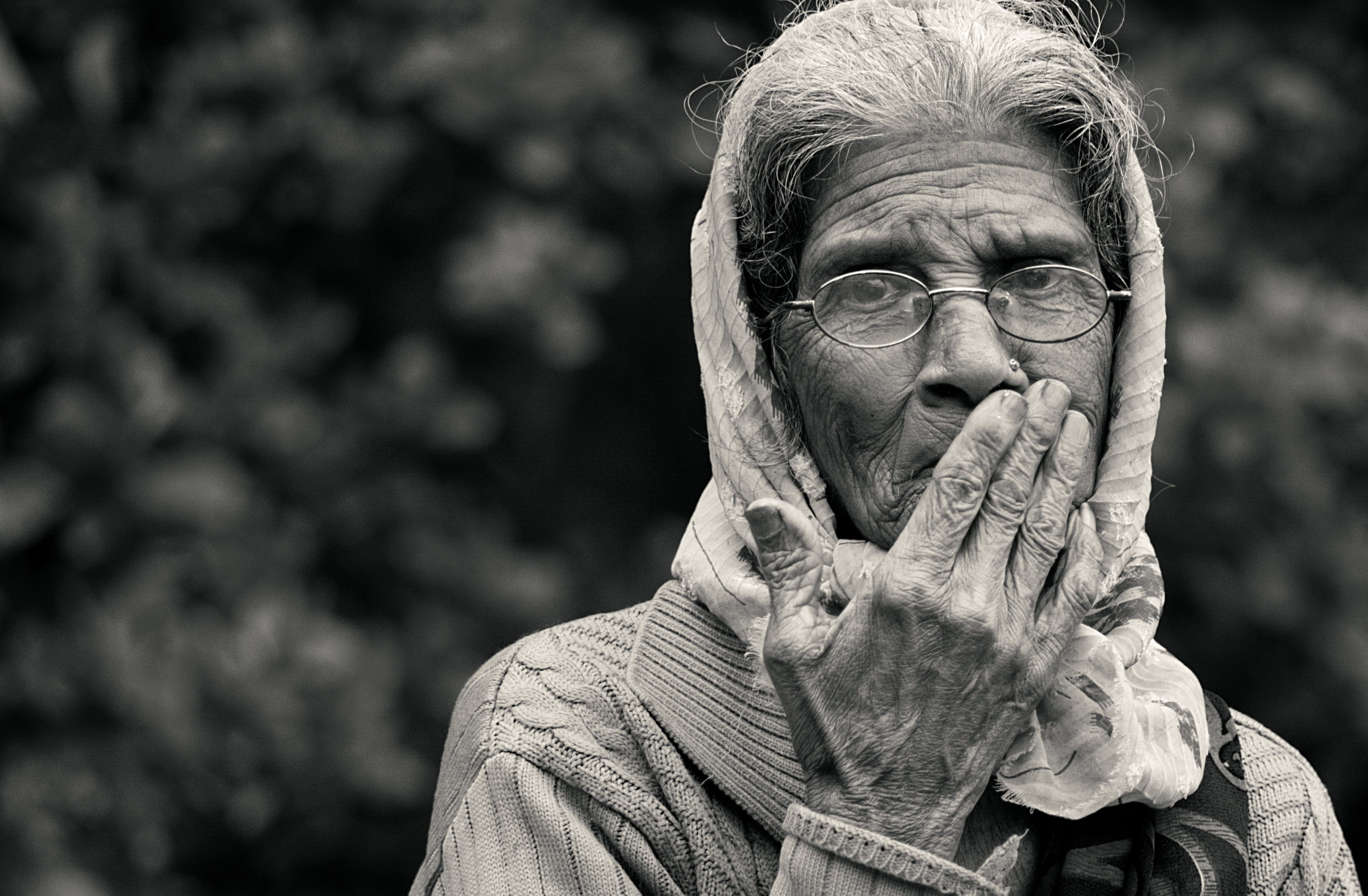
The Lancet studyshowed that 39% of adults in extreme poverty were frail, compared with 33.6% of adults above the poverty line. (Photo: PickPic)
These disparities highlight one of the central arguments of the Colombo Declaration — that healthy ageing requires far more than strong health systems. People age not in isolation but in social, economic and environmental contexts. If those contexts are marked by deprivation, pollution or discrimination, health outcomes will follow.
Critical Issues
Environmental challenges pose another layer of complexity. Many countries in South-East Asia continue to struggle with high rates of infectious diseases such as tuberculosis, even as non-communicable diseases — heart disease, cancer, diabetes — rise sharply. The region also faces frequent natural disasters, severe air pollution and ongoing sanitation challenges. As the Lancet analysis notes, “the rise of non-communicable diseases and comorbidities, and more region-specific challenges such as the burden of infectious diseases… and environmental factors such as natural disasters, air pollution, and sanitation are highlighted” as critical issues for ageing populations.
By recognizing these intersecting challenges, the Colombo Declaration sets a broad and ambitious agenda. But ambition alone is not enough. The real question now is whether governments can mobilize the resources, political will and cross-sector collaboration required to turn the declaration’s commitments into meaningful change.
The Lancet authors emphasise that success will depend on tackling the socio-economic roots of poor health, not just upgrading clinics and hospitals. “Healthy ageing is not just reliant on health-care systems but also requires a supportive environment that fosters wellbeing”, the commentary warns. Without progress on poverty reduction, social support and environmental protection, gains in primary health care may not fully translate into healthier ageing.
Still, the momentum behind the declaration offers reasons for optimism. Regional cooperation has the potential to accelerate progress, allowing countries to share lessons, pool expertise and build stronger health systems together. And with ageing populations set to expand rapidly, the need for action is clear.
As the number of older adults rises across South-East Asia, the Colombo Declaration marks an important step toward preparing for the future. The challenge now is implementation. Turning commitments into results will require investment, innovation and sustained political commitment. But if the region succeeds, it could demonstrate a powerful model for how rapidly ageing societies can build healthier, more inclusive futures for all generations.
(Cover photo: PickPic)