
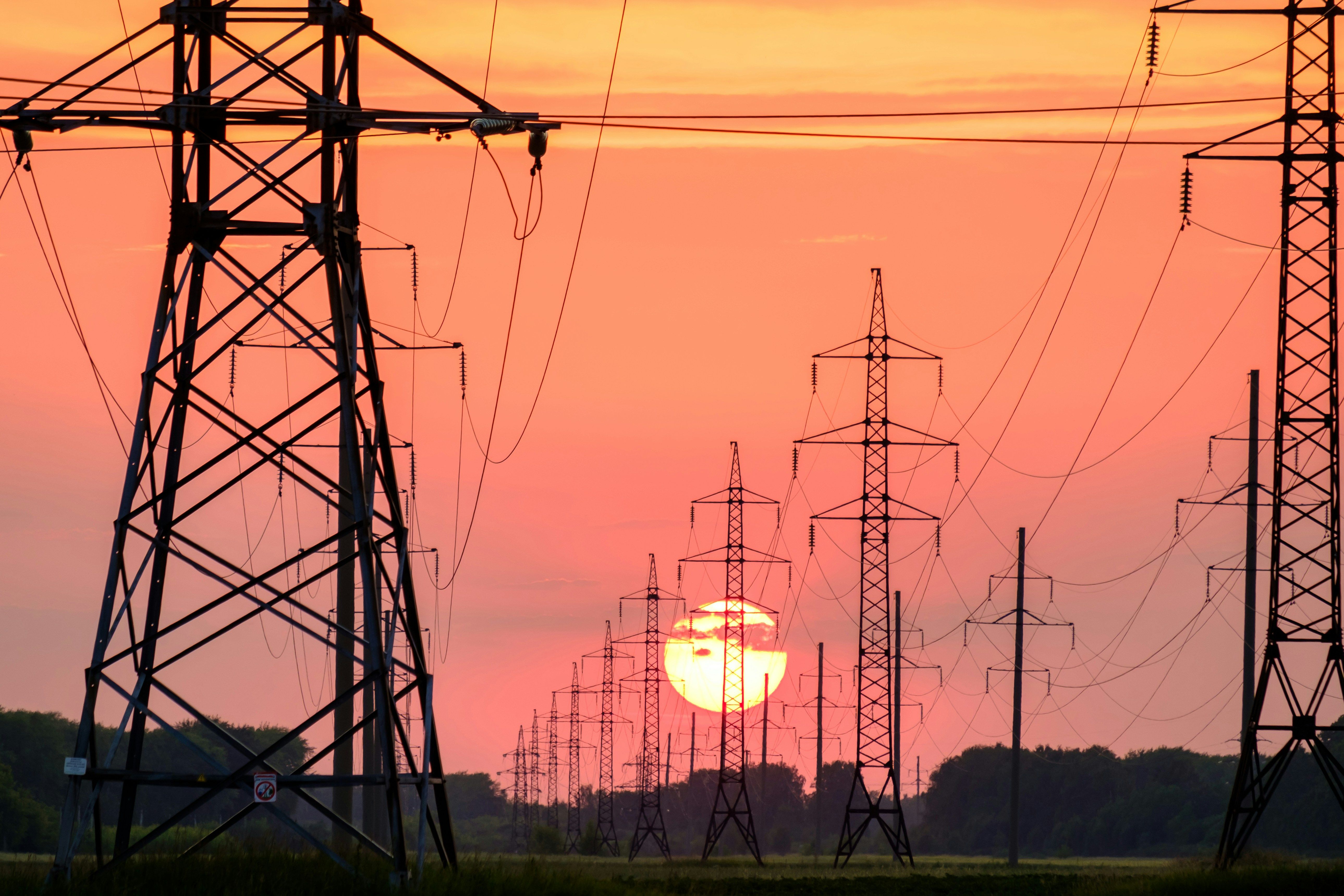

New Delhi: India has recorded its highest-ever annual power capacity addition, crossing the 50 gigawatt mark during the ongoing 2025-26 financial year, underscoring the country’s accelerating push to expand electricity supply and strengthen its energy transition.
According to an official statement from the Ministry of Power, a record 52,537 megawatts (MW) of generation capacity was added during the financial year up to January 31, 2026. This surpasses the previous high of 34,054 MW achieved in 2024-25, marking a sharp jump in the pace of capacity creation. In simple terms, this means India has added more new power generation infrastructure in the first 10 months of the current fiscal year than in any full year in its history.
A significant portion of the new capacity has come from clean energy sources. Of the total addition, 39,657 MW was contributed by renewable energy. Solar power led the expansion, accounting for 34,955 MW, while wind power added 4,613 MW. The strong growth in solar installations reflects falling technology costs, policy support, and rising demand for clean electricity from both utilities and commercial users. Wind capacity additions, though smaller than solar, indicate continued diversification within the renewable energy mix.
The scale of the expansion is notable not just in absolute terms but also relative to the country’s existing power base. The ministry said that the capacity added during 2025-26 up to January 31 represents an increase of more than 11% in India’s total installed capacity. Such a double-digit rise within a single year signals rapid infrastructure build-out, which is critical as electricity demand continues to grow due to industrial expansion, urbanisation, and rising household consumption.
As of January 31, India’s total installed power generation capacity stood at 520,510.95 MW. Of this, 248,541.62 MW comes from fossil fuel-based sources such as coal, gas and diesel. Non-fossil fuel capacity has now reached 271,969.33 MW, indicating that cleaner sources collectively account for a larger share of installed capacity than fossil fuels. Within the non-fossil segment, renewable energy sources contribute 263,189.33 MW, while nuclear power accounts for 8,780 MW.
The growing share of non-fossil capacity is significant in the context of India’s climate commitments and its target to expand clean energy deployment. Although fossil fuels, particularly coal, continue to play a dominant role in actual power generation due to their ability to provide round-the-clock supply, the steady rise in renewable capacity is gradually reshaping the country’s energy mix. Higher renewable penetration also places greater emphasis on grid management, storage solutions, and transmission infrastructure to ensure reliable supply.
The record capacity addition this year suggests that project execution timelines have improved and that investment flows into the power sector remain robust. With demand expected to remain strong and the government aiming to further scale up renewable installations, the current trajectory indicates that India is entering a phase of accelerated energy infrastructure growth while simultaneously advancing its clean energy transition.
(Cover photo by Andrey Metelev on Unsplash)