
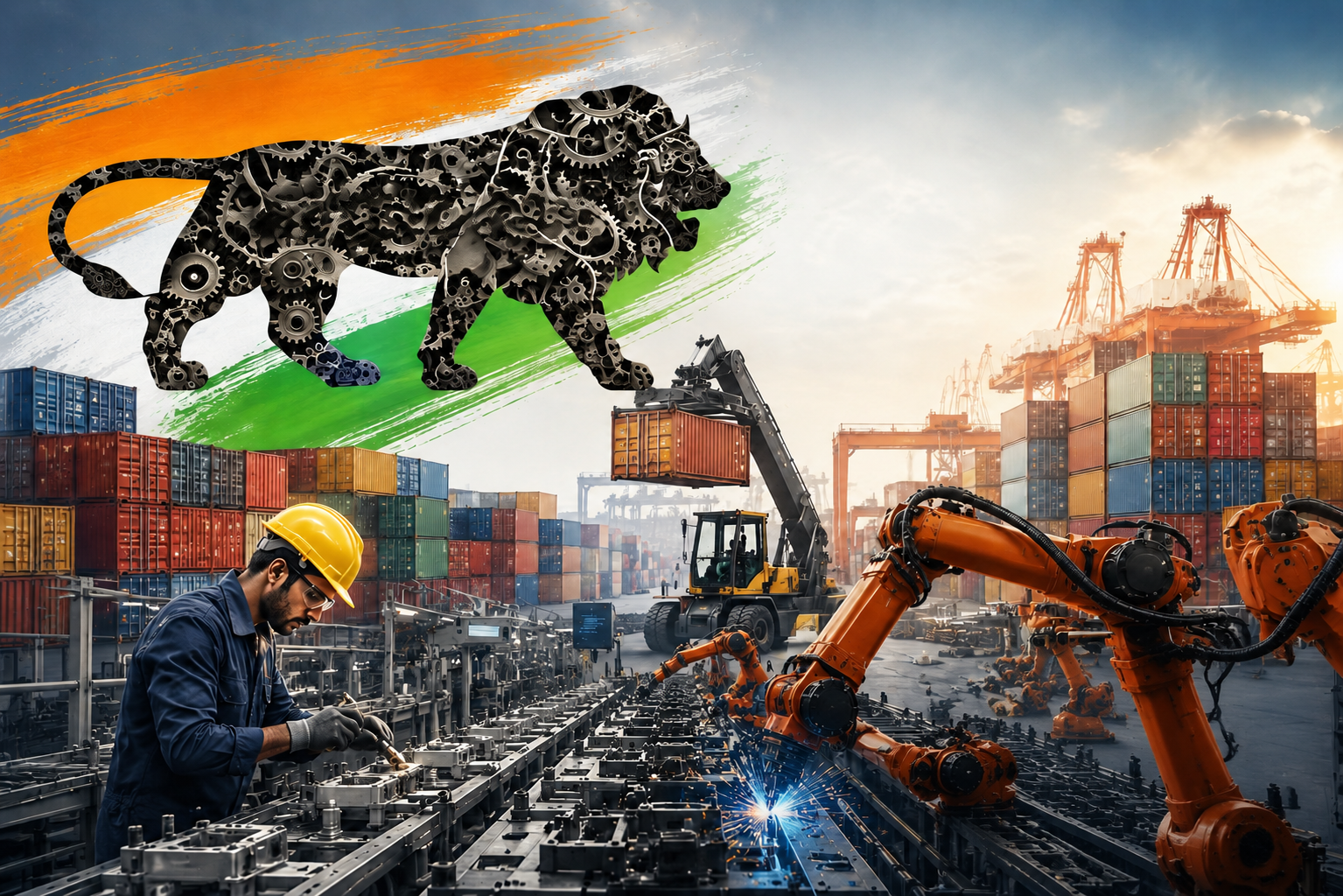

The Indian government has officially identified a strategic list of 100 critical items, representing approximately $51 billion in annual import value, to be prioritized for domestic production. This move marks a significant escalation in the nation's effort to bolster local factory output and reduce external dependencies under the Make in India framework.
The $51 Billion Blueprint for Self-Reliance
The identification of these 100 items is a targeted attempt to address vulnerabilities in India's industrial supply chain. The primary objective is to reduce reliance on foreign imports by fostering a robust domestic manufacturing ecosystem. While the specific list of all 100 items has not been fully disclosed in initial reports, the total valuation of $51 billion underscores the massive scale of this substitution effort.
This initiative aims to boost local factory output significantly. By focusing on high-value critical imports, the government intends to redirect capital that currently flows abroad back into the domestic economy. Details on the specific categories of these items beyond general manufacturing have not been reported yet, but the move is widely seen as a cornerstone of India's long-term industrial strategy.
Expanding Capacity: The HSL Greenfield Project
A key component of this manufacturing push involves expanding heavy industrial infrastructure to accommodate new production demands. On July 17, 2026, Hindustan Shipyard Limited (HSL) has proposed the construction of a new greenfield shipyard in Andhra Pradesh. This proposal is specifically designed to boost India's domestic shipbuilding capacity, a sector often cited as vital for maritime security and trade independence.
The HSL initiative aligns with the broader strategy of identifying critical sectors where domestic production can replace high-value imports. By establishing new facilities like the proposed shipyard in Andhra Pradesh, the government seeks to create the physical infrastructure necessary to sustain industrial growth and reduce the historical need for foreign-built vessels.
Geopolitical Challenges to Trade
Despite the domestic push for manufacturing, India faces a complex international trade environment that may impact its industrial goals. As of today, July 17, 2026, a bill has been introduced in the US Senate seeking to impose 100% tariffs on India and four other nations. This legislative move is a response to India's continued purchase of Russian oil.
Such geopolitical developments could impact the broader economic landscape in which the manufacturing push is situated. While the $51 billion import substitution plan focuses on internal capacity, the threat of high tariffs from major trading partners like the United States highlights the external pressures that could complicate India's industrial transition. Navigating these trade tensions will be essential as the government seeks to implement its self-reliance roadmap.