
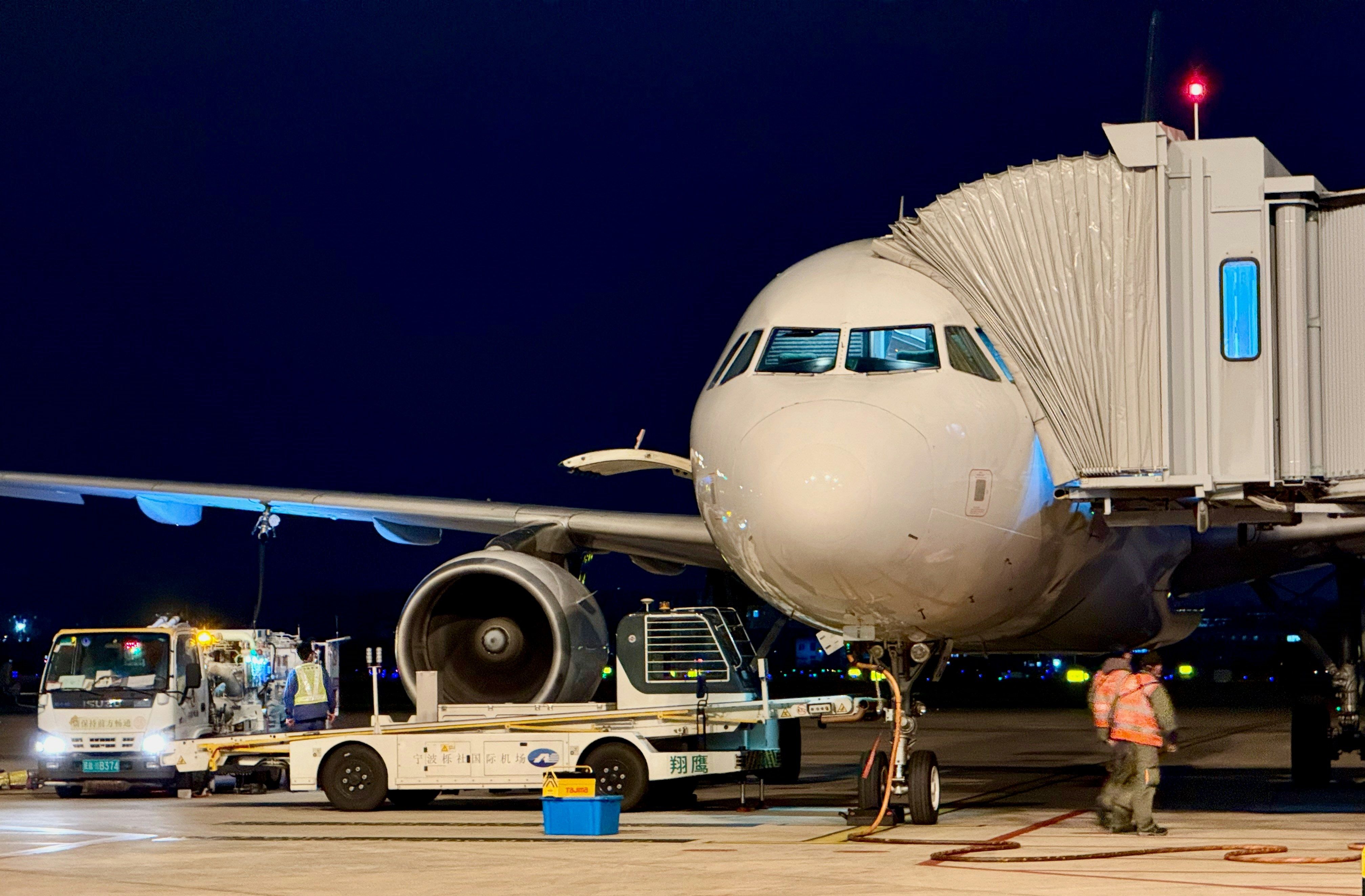

New Delhi: The global aviation industry is turning its attention to one of the least visible but most operationally critical segments of air travel: ground handling.
At the 38th IATA Ground Handling Conference in Cairo on Tuesday, the International Air Transport Association (IATA) urged airlines, airports and ground handling service providers to accelerate the adoption of global operational standards, modernize ground support equipment (GSE) and fast-track digital transformation to strengthen safety, efficiency and sustainability across airport operations.
“Ground handling is often invisible to passengers, but when it goes wrong, everyone notices. A delayed bag, a damaged aircraft, a loading error, or a disrupted turnaround may last minutes, but the consequences can ripple across an entire network. Stronger implementation of standards, smarter equipment, and digitalization are the fundamentals that will make ground operations safer, more efficient, more sustainable, and more resilient,” said Monika Mejstrikova, Director-Ground Operations, IATA.
The warning comes at a critical moment for global aviation as airlines prepare for sustained passenger growth, mounting pressure to cut emissions and increasing operational complexity at major airports. While the sector has invested heavily in fleet modernization and customer-facing technologies, industry executives now see airport ground operations as the next major frontier for efficiency gains and risk reduction.
Standards Shape Operations
IATA’s latest safety data showed measurable progress in 2025, with no fatal ground handling accidents and only one serious injury reported across nearly 40 million flights. Yet the association cautioned that inconsistent implementation of operational standards remains a structural weakness for the industry.
The organization renewed its call for broader adoption of the IATA Ground Operations Manual (IGOM) and the Airport Handling Manual (AHM), arguing that operational inconsistencies continue to create avoidable vulnerabilities. More than 1,000 registered users now access IATA’s Operational Portal, including 280 airlines and over 700 ground handler accounts. In 2025, 582 organizations shared their IGOM adoption rates, while more than 500 reported alignment with AHM training requirements.
Even so, operational deviations remain widespread. IATA said an average of 32 variations per audit report were declared in 2025, accounting for 8% of total IGOM procedures, largely linked to aircraft arrival protocols. The association also pushed for greater use of the IATA Safety Audit for Ground Operations (Isago) programme, which conducted nearly 300 audits this year under its revised model. Isago currently supports more than 230 ground handling service providers across 441 accredited stations at over 250 airports, with more than 200 airlines relying on its audit findings.
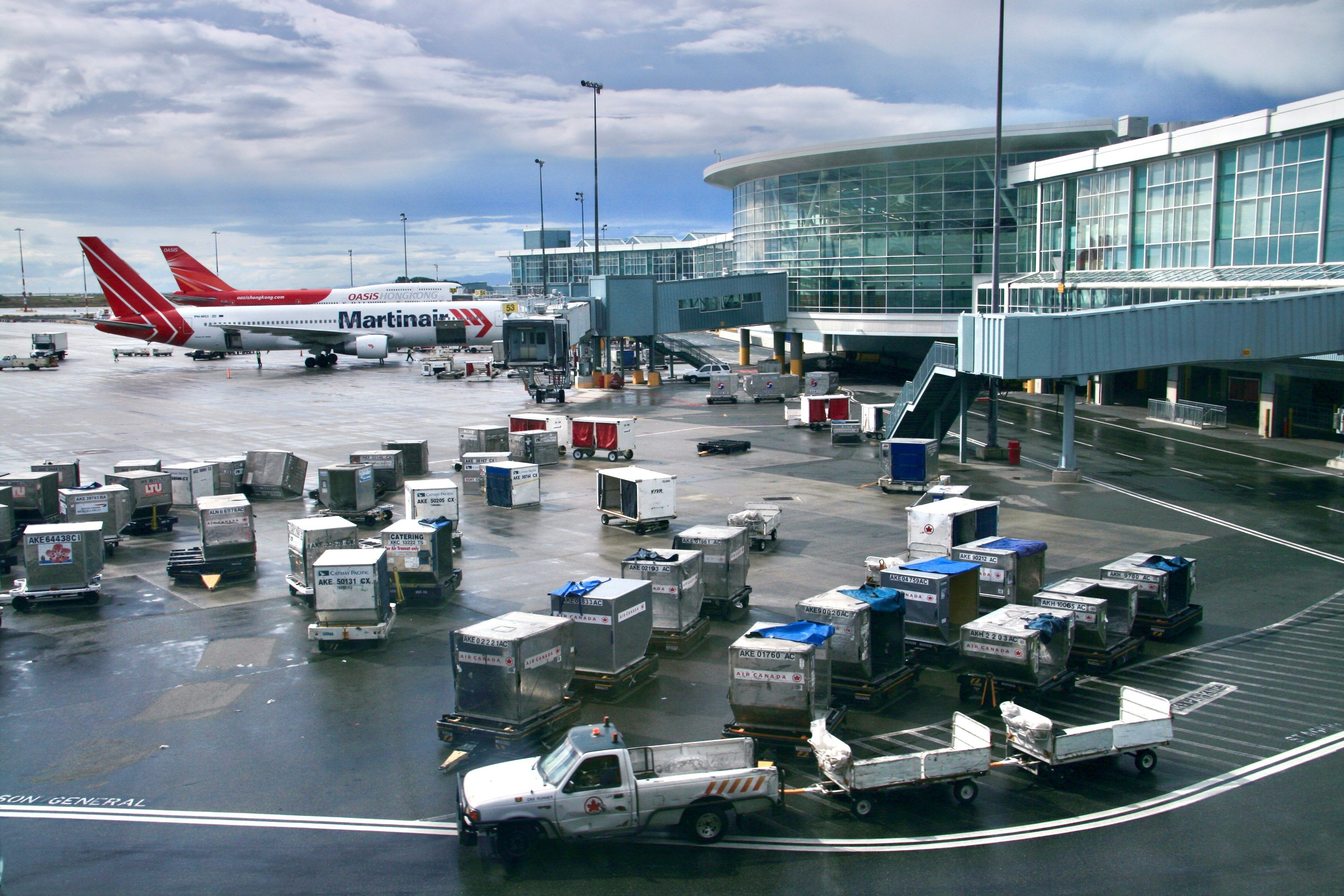
Nearly 38,000 aircraft loading errors were reported in 2025. IATA identified baggage management, aircraft loading and de-icing oversight as the three areas where digital transformation could deliver the most immediate operational gains. (Photo by Anthony Maw on Unsplash)
Equipment Modernisation Accelerates
Beyond standards, IATA signalled that ageing and outdated ground support equipment is becoming both a financial liability and a sustainability challenge for airports worldwide.
“Aircraft ground damage is one of the most persistent operational and financial risks in ground handling, with more than 29,000 aircraft ground damage events reported in 2025. Unless we reduce the rate of these incidents, costs will multiply as the industry grows. But modernization is not only about making equipment safer, it is also about making it cleaner. Technology can help on both fronts. Two priorities are the transition to enhanced GSE and electric GSE,” said Mejstrikova.
The scale of the issue is significant. Ground damage incidents not only disrupt airline schedules but also generate substantial repair costs, insurance liabilities and operational delays. As airlines add aircraft capacity to meet rising travel demand, the economic risks tied to inefficient ramp operations are expected to intensify.
To address the problem, IATA has accelerated efforts to encourage the deployment of enhanced GSE equipped with anti-collision technology. Since launching the Enhanced GSE Recognition Program in 2024, the association has received more than 450 applications, validated 187 stations and formally recognized 75 stations for reducing operational risk.
At the same time, the aviation industry is increasingly positioning electric GSE as a practical pathway toward lower airport emissions. Although sustainable aviation fuel remains the sector’s primary long-term decarbonization strategy, airport operators are under growing pressure from regulators and investors to cut emissions generated during aircraft turnaround operations.
IATA estimates that electric GSE can reduce turnaround emissions by 35% to 52%, depending on the equipment mix and electricity source. The association recently issued new guidance to support airports and ground handlers transitioning from fuel-powered fleets to electric alternatives, reflecting broader industry efforts to align operational upgrades with climate targets.
Digital Shift Deepens
If standards and equipment upgrades represent the operational backbone of aviation’s next phase, digitalization is emerging as the industry’s defining strategic challenge.
“Too many ground handling processes still rely on disconnected systems, manual inputs, and delayed information. These gaps in data create opportunities for mistakes to happen, bags misplaced, aircraft loaded incorrectly, and risks identified too late. Better data gives operators the visibility they need to enable faster, better decisions,” said Mejstrikova.
IATA identified baggage management, aircraft loading and de-icing oversight as the three areas where digital transformation could deliver the most immediate operational gains.
The newly developed IATA Baggage Community System aims to connect airlines, airports and ground handlers through a unified platform capable of enabling real-time baggage tracking and information sharing. Industry executives believe such systems will become increasingly important as passenger volumes climb and airports struggle with staffing shortages and operational bottlenecks.
Aircraft loading remains another major pressure point. Nearly 38,000 aircraft loading errors were reported in 2025, underscoring the persistence of manual processes in critical operational workflows. IATA said the ‘X565 Data Standard’ is helping modernize loading information exchange by replacing paper-based and fragmented systems with integrated digital processes.
Major manufacturers are already moving toward implementation. Boeing is supporting the use of X565 for the Boeing 737 platform, while Airbus has advanced deployment across the A320, A330 and A350 aircraft families, including future cargo variants. Airlines adopting digital load control and reconciliation systems are reporting loading error reductions exceeding 90%, alongside fewer operational delays.
The industry is also strengthening data-sharing frameworks around de-icing and anti-icing procedures.