
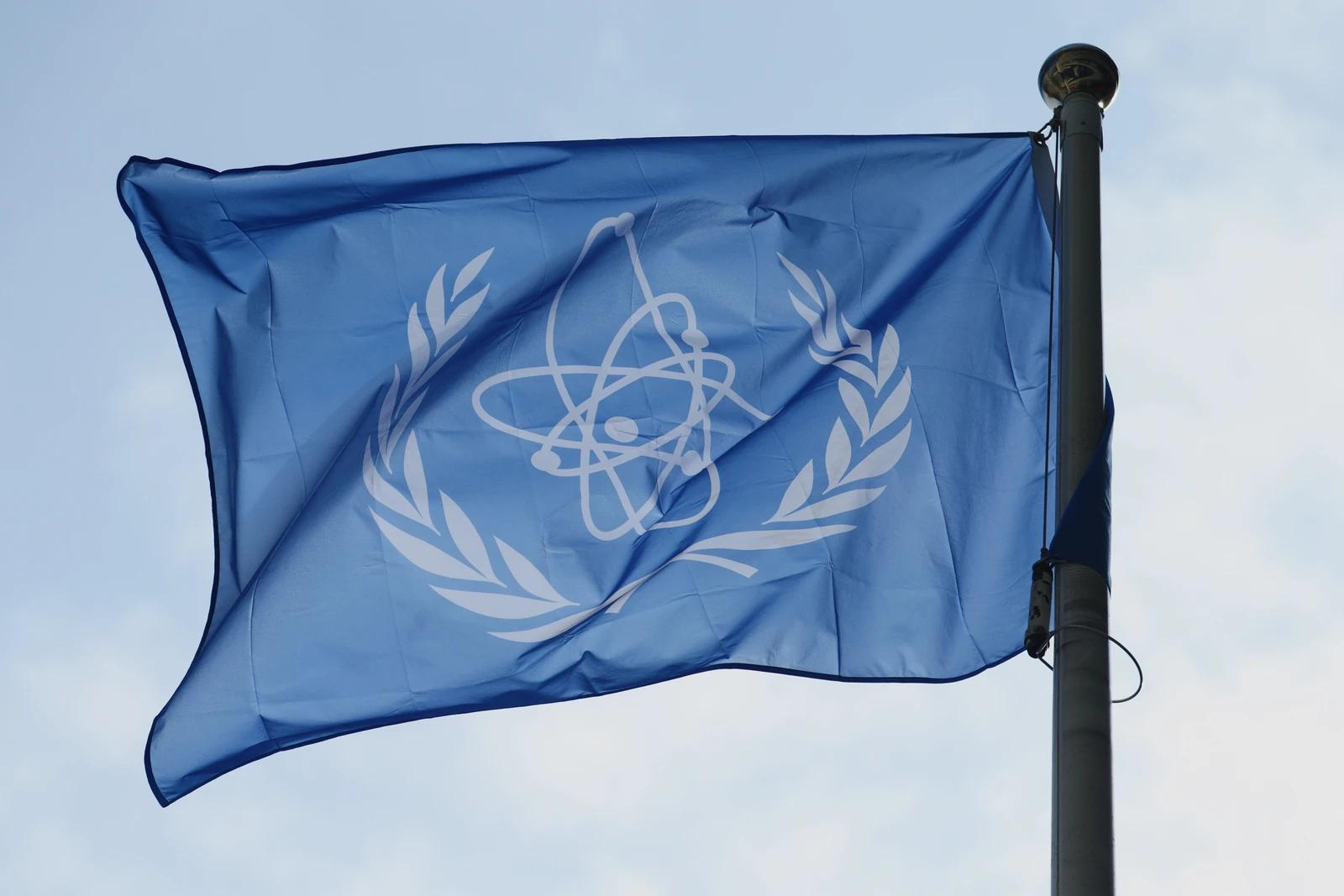
In a significant diplomatic escalation, the International Atomic Energy Agency (IAEA) Board has voted to refer Iran to the United Nations Security Council over its ongoing lack of cooperation with the nuclear watchdog. As reported across international outlets, this development marks the first time in twenty years that the IAEA Board has taken such a step regarding Tehran's nuclear program.
Non-Compliance and Safeguards Concerns
The decision by the atomic agency stems from critical safeguards issues and a perceived lack of transparency from Tehran. According to reports, the situation involves substantial material accumulation alongside severe transparency hurdles, highlighted by 440 kg of uranium and a lack of inspections. The IAEA's move underscores mounting international frustration over Tehran's failure to adhere to established non-compliance guidelines and verification protocols.
Geopolitical Hurdles at the United Nations
While the referral places the Iranian nuclear case back on the global diplomatic table at the UN, potential hurdles loom large regarding enforcement and punitive measures. Analysts point out that structural dynamics within the UN Security Council could heavily impede future resolutions. As highlighted by regional reporting, Russia and China could veto action, presenting a formidable diplomatic barrier to any concerted international penalties or unified punitive measures against Tehran.
A Two-Decade Watershed Moment
This escalation represents a critical inflection point in international diplomacy concerning nuclear non-proliferation in the Middle East. By shifting the file back to the UN Security Council for the first time in two decades, member states are signaling a hardening stance against safeguards violations. However, the ultimate efficacy of this referral remains tied to the complex voting blocs of the Security Council, leaving the immediate trajectory of international oversight hanging in the balance.