
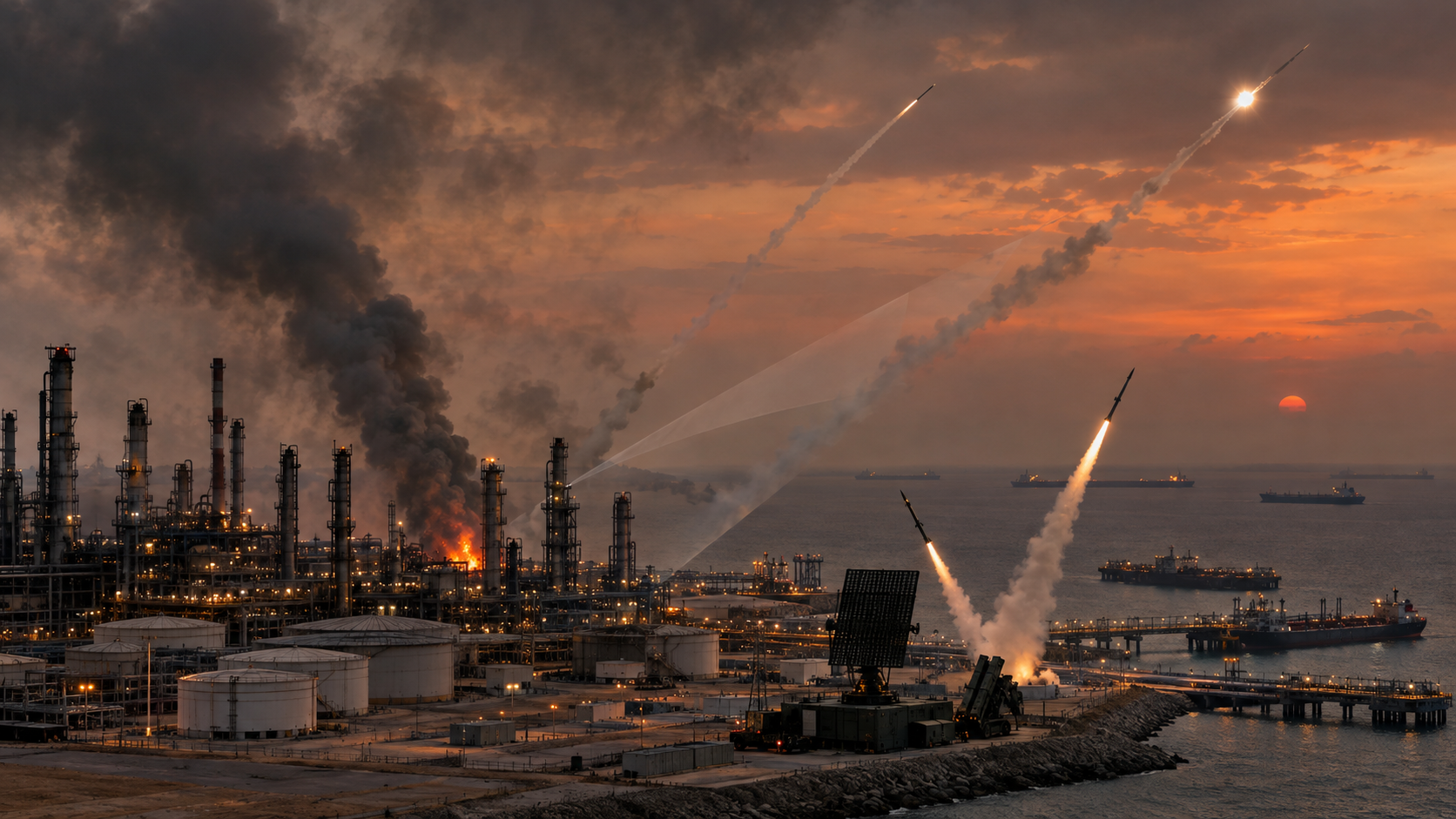

Recent escalations in the Gulf have once again placed the spotlight on critical energy corridors as Houthi missile and drone attacks target Saudi oil infrastructure. The incidents have severely tested Riyadh's strategic recalibration, bringing renewed urgency to regional security concerns and sending ripples through global energy markets.
Infrastructure Damage and Market Jitters
The attacks have manifested in direct strikes on vital commercial and industrial nodes. According to reports, a missile strike hit the Saudi Aramco office in Dhahran, causing extensive damage. These offensive maneuvers, characterized by an increasing range and technological sophistication, have not only impacted fixed capital assets but have also disrupted Saudi aviation. For major importers such as India, these persistent breaches introduce fresh concerns regarding the stability of oil supply lines.
Riyadh’s Hardline Response and Strategic Recalibration
In the wake of these security breaches, Riyadh has signaled an increasingly hardline stance against the Houthis. While historical postures involved complex regional maneuvering, the continuous barrage of drones and missiles has demonstrated that the costs remain high, pushing Saudi leadership to re-evaluate how it handles threats near critical infrastructure.
Wider Geopolitical Implications and Regional Ties
The security friction extends beyond the immediate Saudi-Yemeni theater, intersecting with broader geopolitical fault lines. The ongoing tensions arrive amid a wider US-Israel-Iran conflict context, compounding instability across the Middle East. Highlighting the diplomatic scramble to manage fallout from these hostilities, diplomatic engagements, such as Iraqi Prime Minister Ali al-Zaidi’s recent visit to Saudi Arabia, are attempting to repair strained ties following earlier security incidents, including July strikes that reportedly killed 20 fighters.