


New Delhi: India’s defence manufacturing sector has crossed a threshold that the country’s policymakers have chased for decades. With annual defence production touching a record Rs 1.78 lakh crore in the financial year 2025-26, the country is no longer merely talking about self-reliance in military hardware; it is beginning to build the industrial ecosystem needed to sustain it.
The latest figures released by the Ministry of Defence show that India’s defence production expanded by 15.6% over the previous fiscal year’s output of Rs 1.54 lakh crore and has surged a staggering by 110% since FY2020-21, when production stood at Rs 84,643 crore.
The longer-term trajectory is even more striking. Indigenous defence production has increased almost four-fold from Rs 43,746 crore in FY2013-14, reflecting a decade of policy shifts aimed at reducing import dependence and creating a domestic military-industrial base.
The numbers represent more than an accounting milestone. They mark the steady evolution of India’s defence sector from a state-dominated procurement system into a broader manufacturing ecosystem involving public sector undertakings, private conglomerates, MSMEs and a growing number of technology-driven start-ups.
According to the latest data, Defence Public Sector Undertakings and other public enterprises accounted for around 76% of total production. Yet the more significant trend lies in the expanding footprint of private industry. The private sector’s contribution climbed to an all-time high of around Rs 42,000 crore in FY2025-26, accounting for 24% of total production compared to 22% a year earlier.
The changing composition of defence manufacturing reflects a deliberate policy push under the Aatmanirbhar Bharat initiative. Over the past few years, the government has opened larger segments of military procurement to domestic firms, increased foreign direct investment limits in defence, introduced positive indigenisation lists restricting imports of selected equipment, simplified acquisition procedures and encouraged collaboration between established manufacturers and emerging technology companies.
Defence Minister Rajnath Singh described the production milestone as the outcome of collective efforts by the Department of Defence Production and the wider defence ecosystem. In a message posted on X, Singh said, “The remarkable rise in India’s defence production in recent years is the result of the collective efforts of the Department of Defence Production and all other stakeholders. This upward trajectory is a clear indicator of the country’s expanding defence industrial base. With sustained policy support, several new initiatives, increased private sector participation, and growing export capabilities, the defence production sector is poised for continued acceleration in the years ahead.”
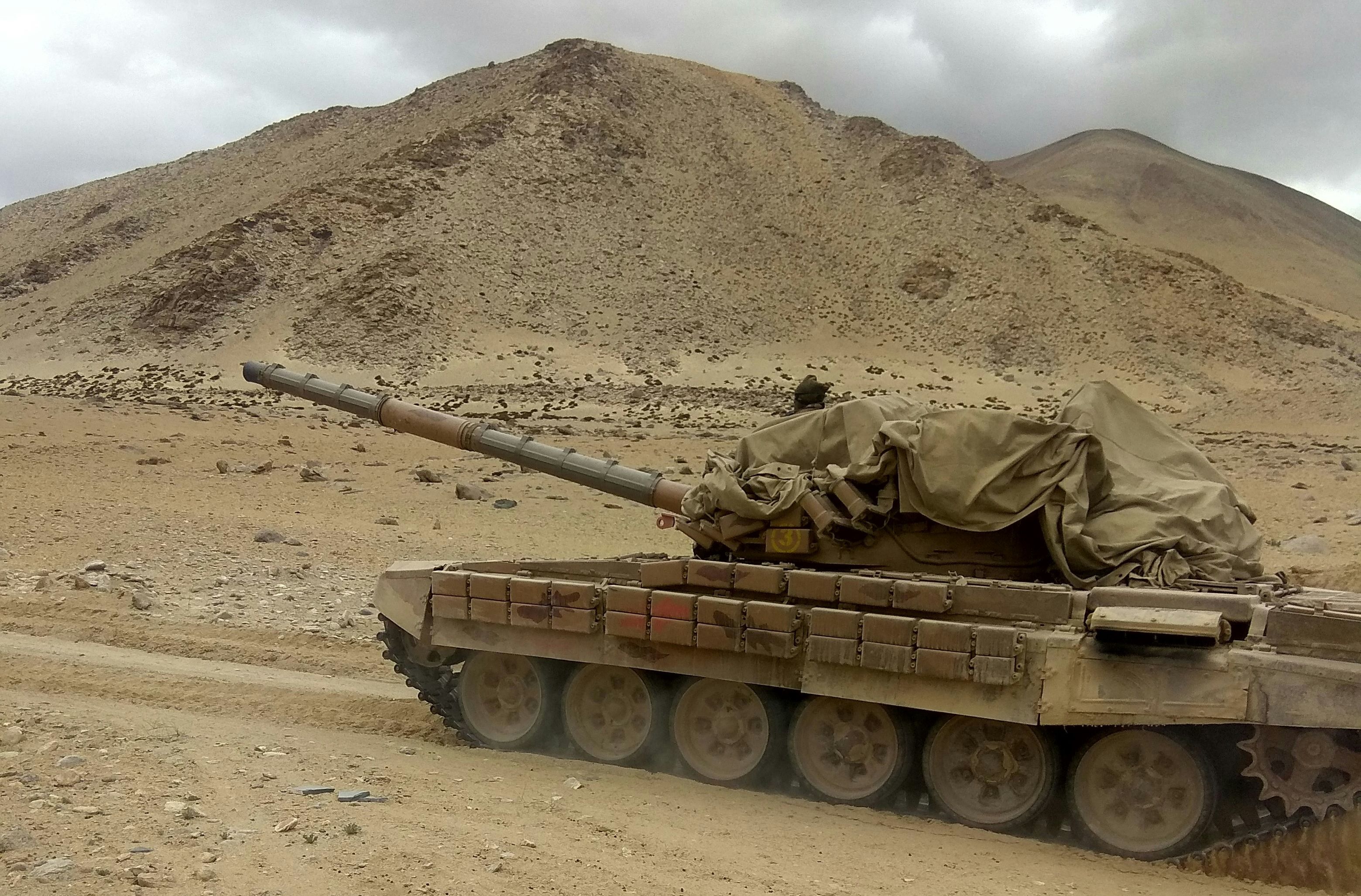
The defence sector is no longer viewed solely through the lens of national security expenditure but as a strategic industrial capability with implications for technology development, employment generation, advanced manufacturing and exports. (Photo by Jigmet Singey on Unsplash)
Exports Surge
The production boom has been accompanied by an equally significant export story. India’s defence exports reached a record Rs 38,424 crore during FY2025-26, registering a jump of more than 62% over the previous fiscal year. The rapid rise in overseas sales suggests that Indian manufacturers are gradually moving beyond serving domestic requirements and finding markets abroad for a range of products, including artillery systems, missile components, aerospace structures, naval equipment, electronics, ammunition, protective gear and maintenance services.
The export growth is particularly notable because it broadens the economic logic of domestic defence manufacturing. A larger export market helps companies achieve economies of scale, sustain investments in research and development and reduce unit costs for the Indian armed forces. It also enhances India’s strategic partnerships by making defence industrial cooperation an important component of foreign policy.
The transformation of India’s military-industrial landscape has been driven by a series of flagship indigenous programmes that have matured over the past decade. The Light Combat Aircraft Tejas has entered operational service and secured fresh orders. The Akash air defence missile system and the Pinaka multi-barrel rocket launcher have emerged as important indigenous platforms. The BrahMos supersonic cruise missile programme has strengthened India’s precision strike capabilities while opening export opportunities.
Indigenous warship construction, including the aircraft carrier INS Vikrant and advanced frigates, has expanded domestic shipbuilding expertise. Aerospace manufacturing has received another boost through military transport aircraft production and a growing network of component suppliers integrated into global supply chains.
At the same time, the rise of drone warfare and autonomous systems is reshaping India’s defence manufacturing priorities. The experience of recent conflicts, including those in Eastern Europe and West Asia, has accelerated investments in unmanned aerial systems, loitering munitions, electronic warfare and counter-drone technologies. Indian start-ups and private firms have emerged as important players in these segments, complementing the capabilities of traditional defence manufacturers.
The growth story, however, comes with its own set of challenges. India remains one of the world’s largest importers of military equipment, particularly in high-end technologies such as advanced aircraft engines, certain propulsion systems and specialised sensors. Bridging these capability gaps will require sustained investments in research and development, closer industry-academia collaboration and long-term procurement commitments that provide manufacturers with predictable demand.
There is also the question of moving up the value chain. While component manufacturing and licensed production have expanded rapidly, the next stage of growth will depend on the ability of Indian firms to design, develop and export complete high-technology weapon systems capable of competing in international markets.
Nevertheless, the broader direction of travel is becoming increasingly evident. The defence sector is no longer viewed solely through the lens of national security expenditure but as a strategic industrial capability with implications for technology development, employment generation, advanced manufacturing and exports.
For decades, India’s defence narrative was defined by large import contracts and dependence on overseas suppliers. The latest production and export figures suggest that the country is gradually rewriting that story. The journey towards complete self-reliance remains unfinished, but the foundations of a modern military-industrial ecosystem are being laid at an unprecedented pace.
Crossing Rs 1.78 lakh crore in annual defence production is therefore more than a statistical achievement. It signals that India’s long pursuit of strategic autonomy in defence manufacturing is beginning to translate into industrial capacity, export competitiveness and technological confidence. If the current momentum is sustained, FY2025-26 may well be remembered as the year India's military-industrial moment truly arrived.
(Cover photo by Animesh Sahoo on Unsplash)