

New Delhi: India’s agri-export strategy is gaining tangible momentum in the GCC, as evidenced by the successful export of GI-tagged Indi Lime from Karnataka and the landmark acceptance of India’s official halal meat certification by Oman. Together, these developments signal a structural strengthening of India’s agricultural and food exports to global — particularly Gulf and Islamic — markets.
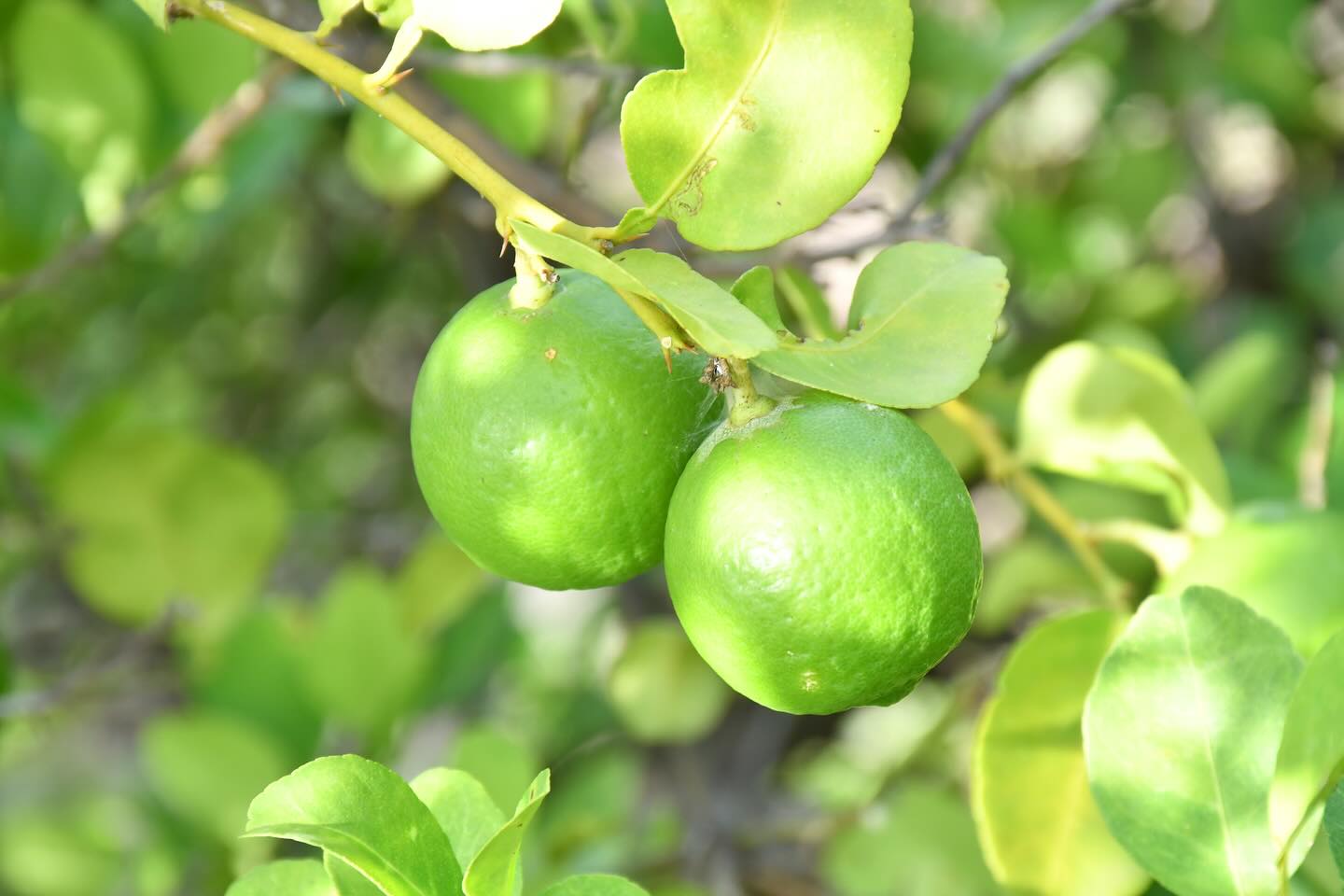
The export of three metric tonnes (MTs) of GI-tagged Indi Lime from Vijayapura district of Karnataka on Friday to Oman marks the fruit’s entry into yet another international market and underscores the growing acceptance of India’s region-specific agricultural produce.
This shipment follows a strong export trajectory that began with a maiden consignment of 3 MTs to Dubai in August this year. Encouraging consumer response in the UAE led to follow-up exports totalling nearly 12 MTs — four times the initial shipment — highlighting the commercial viability of GI-tagged produce when backed by quality assurance and branding.
Market diversification remains a key pillar of India’s export strategy. Alongside the Middle East, India has also expanded Indi Lime exports to developed markets, with a 350-kg consignment flagged off to the United Kingdom. Cumulatively, nearly 12.35 MTs of Indi Lime have been exported from Vijayapura, directly benefiting local farmers through access to premium markets and reduced exposure to domestic price volatility.
The Oman shipment carries added strategic importance in the context of the recently concluded Comprehensive Economic Partnership Agreement (CEPA) / Free Trade Agreement between India and Oman. The agreement aims to deepen bilateral economic engagement and enhance market access for Indian products, particularly in agriculture, processed foods and animal products.
Early successes such as Indi Lime exports demonstrate how trade agreements, when combined with GI protection and institutional support, can translate into real export gains.

Halal Meat
Parallel to this, Oman’s recognition of India’s official halal meat certification represents a breakthrough for India’s animal and processed food exports. Commerce and Industry Minister Piyush Goyal has indicated that the government is now pushing for similar recognition across 55 Islamic countries.
Until now, exporters have faced fragmented and informal halal certification processes in many Gulf markets, leading to duplication of testing, higher compliance costs and operational inefficiencies. Oman’s acceptance reduces these frictions, lowers costs and improves predictability for Indian exporters.
Taken together, the Indi Lime exports and halal certification recognition reflect a broader shift in India’s trade policy — from volume-driven exports to value-led, standards-compliant and market-specific strategies. Institutions such as APEDA have played a critical role in this transition by supporting branding, ensuring phyto-sanitary compliance and promoting GI-tagged products globally.
These developments reinforce India’s emerging position as a reliable supplier of high-quality, traceable and region-specific agri-products. More importantly, they illustrate how trade diplomacy, regulatory recognition and product differentiation can converge to create sustained export opportunities, enhance farmer incomes and strengthen India’s agri-export ecosystem over the long term.