
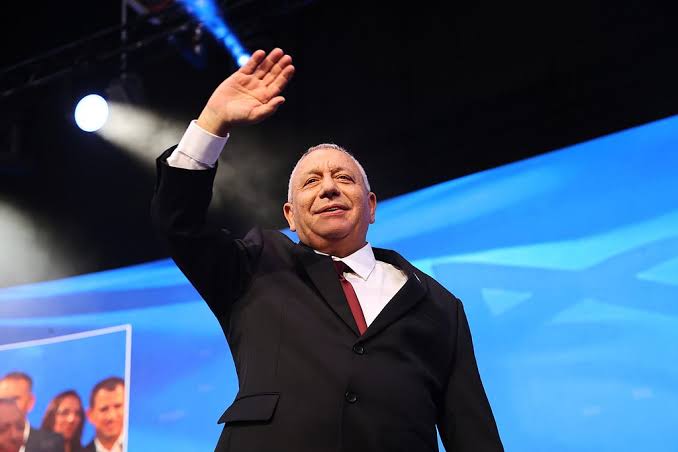

In the ongoing political shifting across Israel, former military chief Gadi Eisenkot has secured a crucial legislative advantage. As per reports, Eisenkot has received recommendations from 67 lawmakers in the 120-member Knesset to replace incumbent Prime Minister Benjamin Netanyahu, who managed 46 recommendations.
This unexpected alignment places Eisenkot in pole position as the nation awaits formal intervention from the presidency. According to reports, Israeli President Isaac Herzog is scheduled to name a prime ministerial candidate on Sunday, setting the clock ticking on a high-stakes political transition.
The Role of Arab-Led Parties and the 67-46 Advantage
The pivotal driver behind Eisenkot’s surge to 67 recommendations is the backing of Arab-led lists and parties. These political entities threw their weight behind Eisenkot to unseat Netanyahu.
This cross-bloc alignment has widened the numerical gap against Netanyahu, whose 46 recommendations leave him significantly trailing in legislative endorsement. Eisenkot is now heavily tipped to seek the formation of a government leveraging the support of these Arab lists, a maneuver that defies traditional partisan boundaries in Israeli politics.
The Coalition Challenge and the 28-Day Clock
Despite securing a comfortable numeric majority in Knesset recommendations, analysts warn that the path forward is fraught with obstacles. A severe coalition challenge remains.
Once President Herzog officially designates a candidate on Sunday, the chosen nominee will face a formidable reality test. Under standard Israeli political procedures, the designated candidate is granted a 28-day window to successfully form a governing coalition. Given the deeply fractured nature of the Knesset and the disparate ideological factions required to sustain a majority, building a stable administrative alliance will require intense negotiation.