
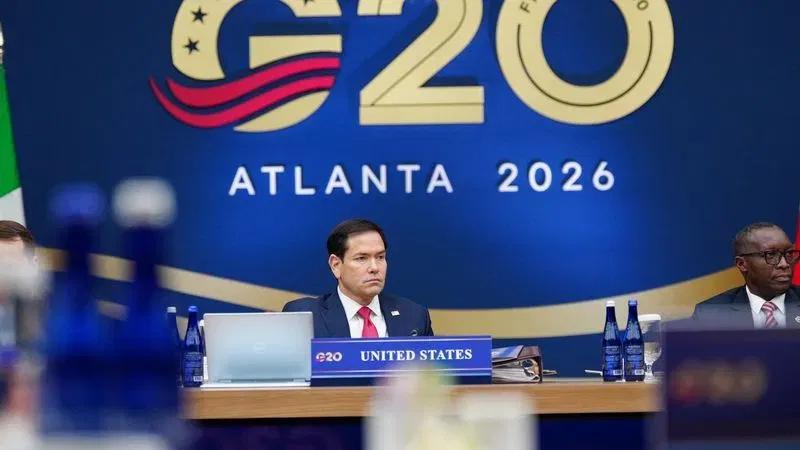

The G20 summit has taken a dramatic turn as diplomatic tensions peak over Moscow's ongoing participation in international forums. As per reports, the meeting faced a sudden rupture when countries refused to pose alongside the Russian delegation. In response, the traditional "family" photograph was abruptly scrapped.
According to coverage, the traditional G20 photo was cancelled after European diplomats strongly objected to standing alongside Russia's Sergey Lavrov. The standoff underscores a hardening line among European allies regarding Russian representation, rendering consensus at the current G20 ministerial talks increasingly elusive.
European Objections Trigger US Decision
The friction centers squarely on the presence of Russian officials at the summit table. The G20 summit opened amid acute diplomatic friction as the group photo was called off over Russia's presence.
Rather than forcing a public fracture during the customary photo-op, where European ministers threatened a direct boycott, organizers and US leadership opted to scrap the session altogether. The development highlights how the shadow of the ongoing conflict continues to disrupt multilateral diplomacy, leaving international bodies struggling to project unity.
Fallout at the Foreign Ministers' Talks
The decision to cancel the photo-op specifically impacted the gathering of foreign ministers. The G20 foreign ministers skipped the scheduled photo amid widespread European objections to Russia's inclusion.
Analysts point out that the abrupt cancellation reflects deep-seated animosities that preclude standard diplomatic pleasantries. While lower-level administrative and economic discussions continue behind closed doors, the refusal of European delegations to partake in ceremonial imaging with Moscow's representatives signals that normal diplomatic protocol remains suspended.
Details on any formal compromise or subsequent joint communiqués addressing the boycott have not been reported yet. As the summit progresses, the incident serves as a stark reminder of the deep fractures dividing the international community.