
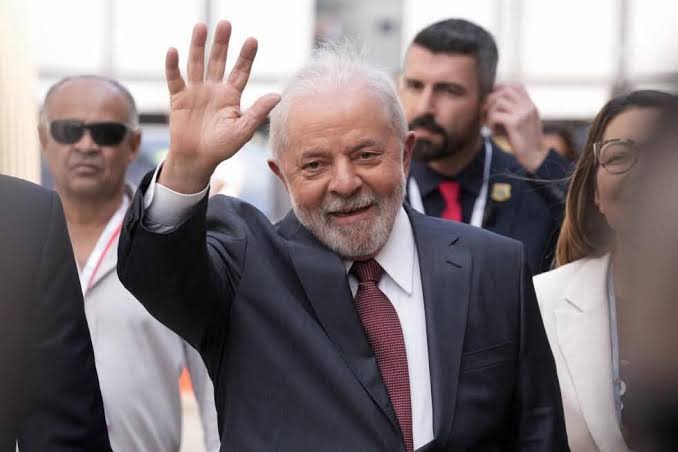

Luiz Inácio Lula da Silva has secured a historic fourth term as Brazil's president following a tight and bitter runoff election. The high-stakes contest saw the veteran leader, often described in profiles as a metalworker turned prisoner turned president, triumph over his far-right challenger.
The Runoff Battle and Electoral Outcome
The election concluded with Lula defeating his challenger, Flávio Bolsonaro, in what multiple outlets characterized as a bitter runoff race. The hard-fought victory marks a monumental milestone in Brazilian political history, cementing Lula's enduring influence on the nation's political landscape despite fierce opposition.
Details on the exact vote margins and regional breakdowns of this tight contest have not been reported yet by the initial news feeds. However, the outcome immediately triggered strong reactions across the domestic and international political spectrum, highlighting deep-seated political divisions within the South American nation.
Political Fallout and Rival Challenges
While supporters celebrated the historic win, the aftermath of the vote faced immediate turbulence. Lula's main rival has already vowed to fight the election result, setting the stage for potential legal and political challenges in the days ahead. The contentious nature of the runoff underscores the polarized environment in which the new presidential term begins.
International Recognition and Reactions
Globally, leaders have begun weighing in on the outcome of the Brazilian election. Details on specific congratulatory messages or diplomatic statements from foreign leaders regarding this latest electoral chapter have not been reported yet in the immediate snapshot of breaking news, though the global significance of the transition remains a focal point of current international analysis.
As Lula prepares to step into his fourth term, the immediate priority will likely center on navigating the domestic pushback from his opponents and addressing the fractures exposed during the grueling campaign trail.