
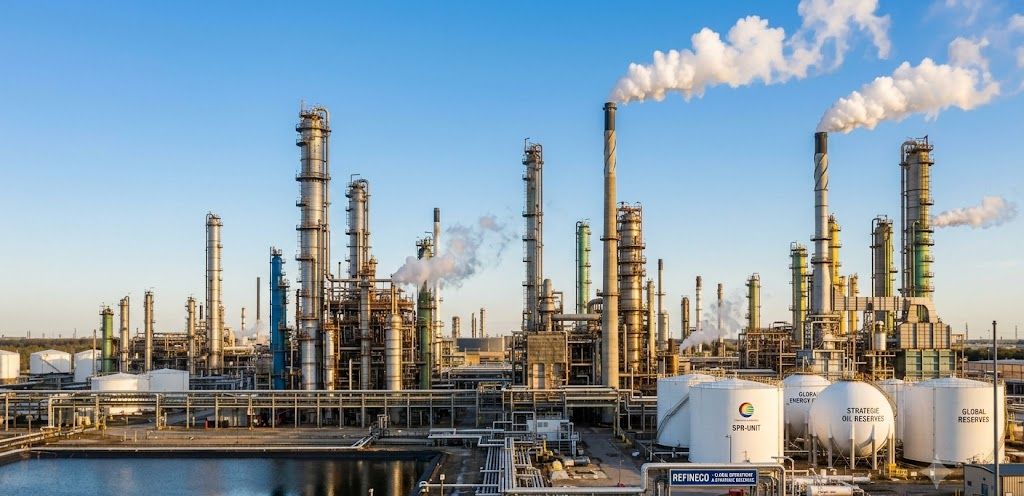

Global energy markets are responding to a major coordinated intervention as G7 nations move to ease soaring prices. According to reports, the Group of Seven has agreed to a joint emergency release of petroleum reserves to counter tightening supplies and market volatility.
Coordinated Emergency Release
The G7 nations have formally agreed to release 100 million barrels of oil and diesel from emergency reserves. As per reports, the sweeping measure comes directly amid growing global energy supply concerns.
The move follows intensive diplomatic efforts. The decision represents a culmination of successful United States pressure on partner nations to tap strategic stockpiles to protect consumers and industrial sectors from erratic pricing shocks. The plans target both diesel and crude oil inventories to address critical supply bottlenecks.
Immediate Market Impact
Financial and commodity markets reacted swiftly to the announcement. Global oil prices fell following the agreement, with West Texas Intermediate (WTI) down 1.9%. Oil prices dropped immediately after the G7 announced the release of diesel reserves, highlighting the psychological and physical impact of tapping state-backed stockpiles to calm jittery traders.
While macro-level commodity prices retreated, localized consumer impacts remain complex. For instance, Greater Toronto Area (GTA) gas prices were still set to spike at midnight despite the broader international agreement to stabilize markets.
Stabilizing Global Energy Concerns
The decision underscores the willingness of major economies to deploy strategic reserves during periods of acute market stress. The coordinated release is fundamentally designed to stabilize markets and mitigate the cascading economic effects of constrained diesel and crude supplies.
Details on the exact distribution timelines for the individual member states have not been reported yet. However, the immediate downward correction in global benchmarks suggests the 100-million-barrel injection has achieved its initial goal of dampening speculative price surges.