
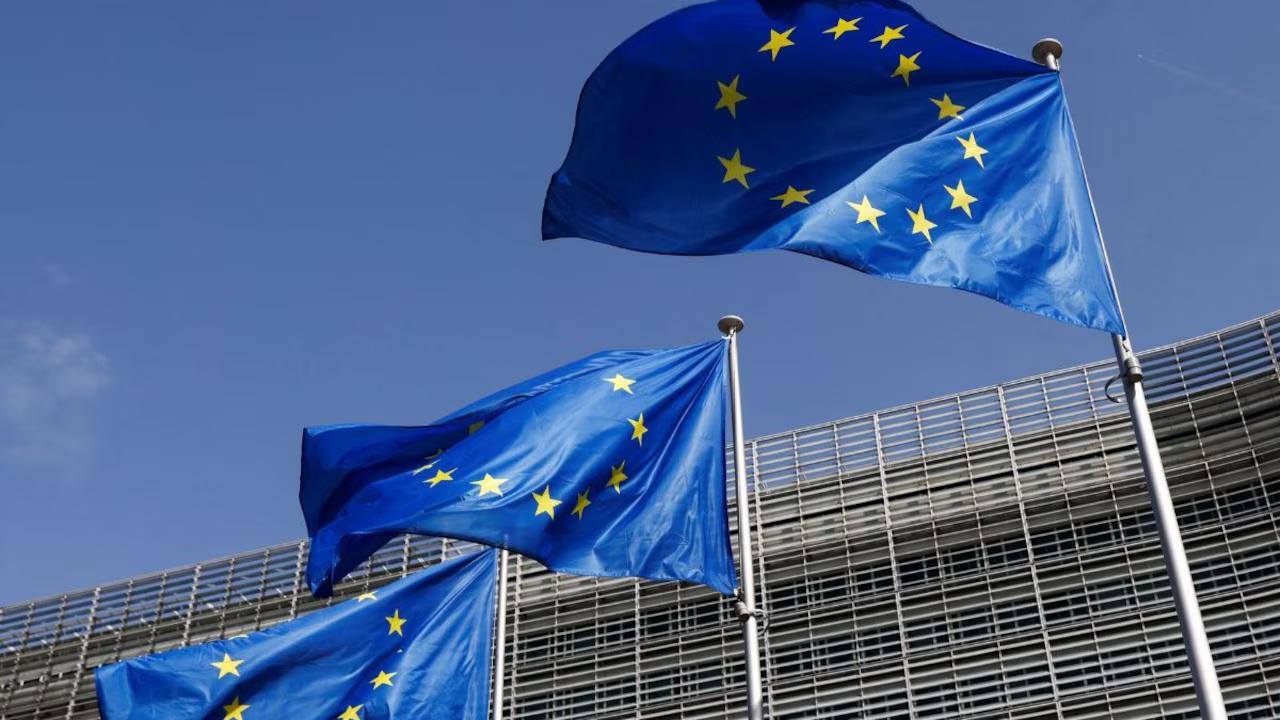

The European Commission has officially stepped up its crisis planning by issuing new guidelines that urge citizens across the European Union to prepare for emergencies and maintain self-sufficiency for at least the first 72 hours of a crisis.
Presented on 3rd November, by European Commissioner for Equality, Preparedness and Crisis Management Hadja Lahbib, the comprehensive advisory marks a notable shift in how the bloc approaches civil defense and household readiness. As geopolitical tensions and climate-related disruptions continue to test institutional resilience, Brussels is pushing households to bridge the crucial gap before official help can arrive.
The 72-Hour Rule and Essential Supplies
At the core of the new guidelines is the foundational principle that households must be equipped to operate independently for three days during a major disruption. As per reports, the European Commission is advising citizens to pack dedicated emergency bags and stock up on essential supplies.
These recommended stockpiles and preparedness measures include:
- Non-perishable food items and safe drinking water to sustain households without external assistance.
- Essential medicines and first-aid equipment.
- Specialized emergency kits tailored to immediate survival needs.
According to the guidelines, this initial 72-hour window is critical because emergency services and civil protection agencies may face overwhelming demands during the onset of a large-scale crisis, leaving individual households to rely on their own resources.
Education and Protecting Vulnerable Groups
Beyond physical stockpiles, the European Commission's advisory places a heavy emphasis on structural preparedness and community resilience. The recommendations formally incorporate preparedness education into school curricula, ensuring that younger generations learn fundamental crisis-response skills early on.
Furthermore, the guidelines direct specific focus toward protecting vulnerable segments of the population. Commissioner Hadja Lahbib underscored the collective philosophy behind the policy, emphasizing that every European should be equipped with the knowledge of how to respond effectively to a crisis, safeguard their immediate families, and assist neighbors in need.
A Broader Push for Crisis Planning
The announcement aligns with a growing recognition among international authorities regarding the necessity of civilian preparedness. Similar conversations, such as debates contrasting 72-hour emergency windows with extended 10-day stockpiling recommendations, have highlighted how vulnerabilities in modern supply chains and infrastructure necessitate robust household buffers.
By formalizing these recommendations, Brussels is signaling a transition from reactive disaster management to proactive, society-wide resilience.