

New Delhi: India’s energy transition is fast entering a more decisive phase. The focus is shifting from broad commitments and project launches toward better coordination across policies, markets and institutions, sector leaders said at the Ficci India Energy Transition Summit on Friday. The next stage will require closer Centre-state alignment, stronger economic co-ordination and deeper global partnerships, they said.
Addressing the gathering, Bhupinder Singh Bhalla, former Secretary, Ministry of New & Renewable Energy, underscored the need for coordinated policy action and institutional cohesion. “With cohesive policy direction, collaborative governance, and global engagement, India can scale its transition in a structured and confident manner while sustaining economic growth,” he said.
India has made visible supply-side progress, with non-fossil fuel sources accounting for more than 50% of installed power capacity, achieved ahead of the 2030 target. Solar and wind additions have accelerated, strengthening the renewable backbone for deeper decarbonization.
However, Bhalla cautioned that renewable expansion alone will not deliver net-zero outcomes, as sectors such as steel, cement, fertilisers, chemicals, heavy transport and MSMEs continue to rely on fossil fuels. Electrification can address only part of this demand.
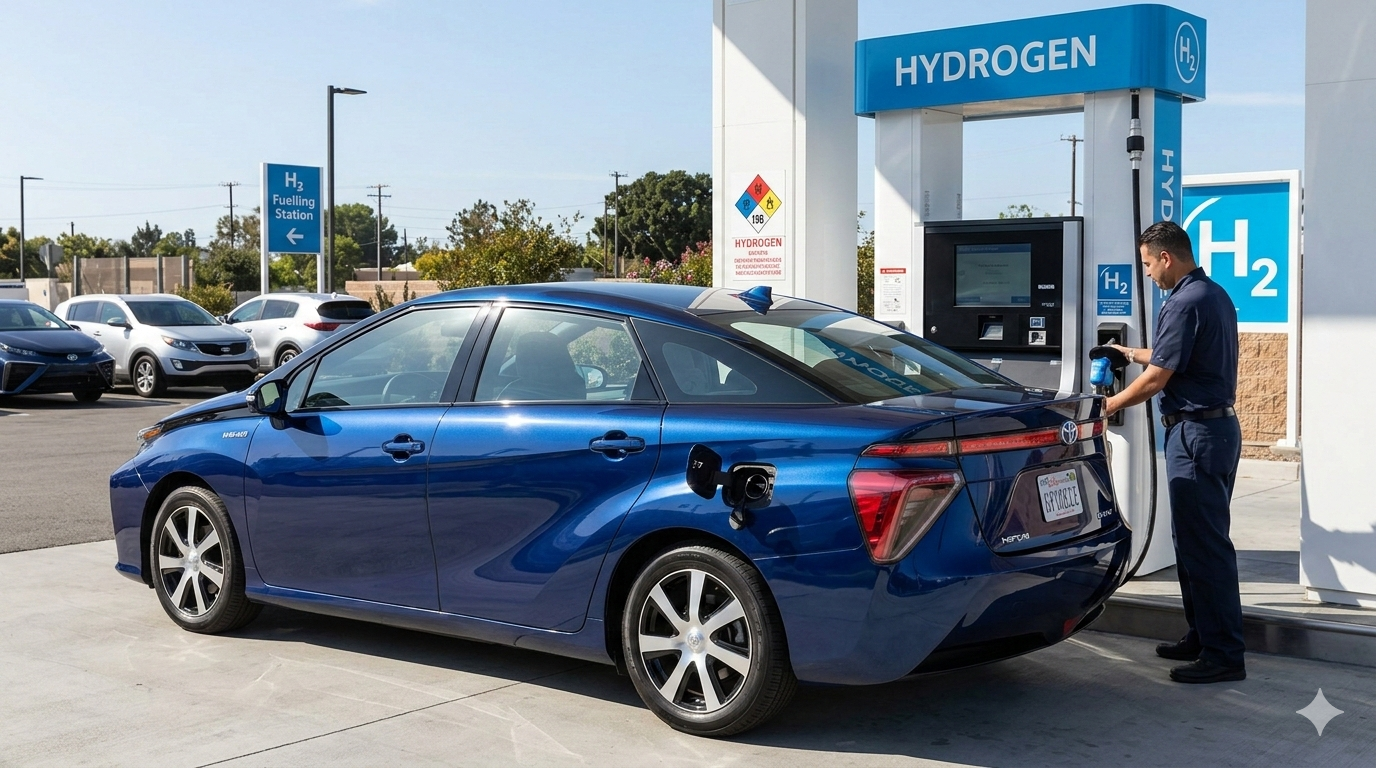
He emphasized that green hydrogen will be central to decarbonising hard-to-abate sectors. “Green hydrogen will be a cornerstone of decarbonization, particularly for hard-to-abate sectors where direct electrification is not feasible. Decarbonization must move from being policy-driven to market-driven, and that is where carbon markets become critical. While it may not be the sole solution, it is set to play a critical role in transforming industries like steel, refining, fertilizers, and heavy transport. To unlock its full potential, demand aggregation, pilot deployments, and targeted viability gap support will be essential in the early stages. As scale improves and costs decline, green hydrogen can become a transformative force in India’s low-carbon industrial transition,” he emphasized.
India’s National Green Hydrogen Mission targets production of 5 million metric tonnes annually by 2030, backed by 125 GW of additional renewable capacity. The government expects nearly $100 billion in investments, positioning India as a global hub for green hydrogen. Yet, only a small share of announced projects has reached advanced stages due to high costs, limited transport and storage infrastructure, and uncertain demand. Production-linked incentives, transmission charge waivers and pilot procurement programmes aim to narrow the cost gap with conventional hydrogen.
Bhalla also highlighted market-based mechanisms. “Decarbonisation must therefore move from being policy-driven to market-driven, and that is where carbon markets become critical,” he noted. He added that a robust carbon trading system could channel private capital into low-carbon investments.
“Carbon markets help bridge the massive financing gap required for net-zero by mobilizing private investment at scale. If implemented effectively, India’s emerging carbon trading framework can transform climate ambition into measurable economic action, making decarbonization not just an environmental necessity, but a competitive advantage highlight,” he added.
Abhay Bakre, Mission Director, National Green Hydrogen Mission, said energy policy must align with economic growth. “Energy is the backbone of GDP, but growth depends not just on more supply, it rests on three pillars – efficiency, renewables, and smart fuel switching. For India, the goal is to provide each sector with the right energy, not simply reduce consumption. Today, the key barrier is the disconnect between energy supply and GDP creation, and closing this gap is essential to ensure transition strengthens the economic growth,” he added.
Experts flagged grid congestion, transmission delays, pending power purchase agreements and the need for large-scale storage as operational bottlenecks. Industry representatives stressed coexistence across energy sources. Suresh Manglani, Co-Chair, Ficci Hydrocarbons Committee and CEO, Adani Total Gas Ltd, said, “India’s journey to net zero target will be defined not by one fuel replacing another, but by structured energy coexistence, where renewables, natural gas, biofuels, and emerging technologies grow together to power economic expansion. Cleaner fuel adoption should strengthen competitiveness, protect jobs, and accelerate industrial growth, proving that sustainability and economic development can advance hand in hand.”
Experts agreed that meaningful progress will depend on advancing electrification, efficiency, clean fuel switching and renewable expansion, supported by market frameworks that make low-carbon choices commercially compelling.