
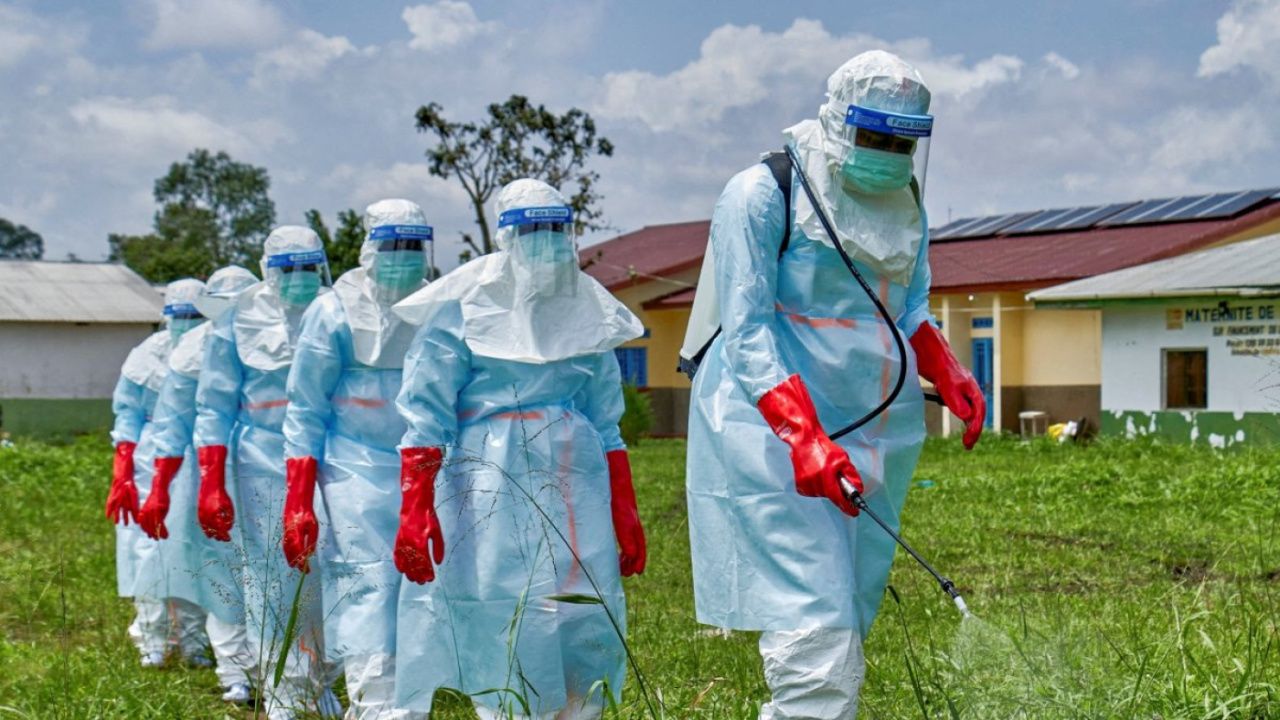
The Democratic Republic of Congo (DRC) is facing a pivotal moment in its latest public health crisis. As of today, August 8, 2026, health authorities and international monitoring agencies are grappling with a significant milestone: confirmed Ebola cases have officially surpassed the 4,000 mark. This surge, reported late yesterday, underscores the persistent difficulty in containing the virus despite ongoing international and domestic intervention efforts. With the death toll now exceeding 1,850, the outbreak has entered a high-stakes phase that has prompted urgent warnings from global health leaders.
Escalating Caseloads and Mortality Rates
The scale of the current epidemic has reached a critical volume. According to reports, the number of confirmed cases has crossed the 4,000 threshold, marking one of the most substantial outbreaks in the region's recent history. The human cost is equally staggering, with the death toll reportedly reaching 1,850, while other reports put fatalities at more than 1,800.
The intensity of the situation is compounded by the nature of the virus itself. The DRC is currently battling what has been described as a "lethal strain" of the virus. The rapid accumulation of cases suggests a high transmission rate that has consistently challenged local healthcare infrastructure and containment protocols over the preceding weeks.
Investigating Potential Viral Mutations
A significant point of concern for the scientific community involves the biological behavior of the pathogen. Authorities are currently investigating whether the virus is undergoing genetic changes that could influence its spread or lethality. Officials are set to probe whether the Bundibugyo virus strain is currently mutating.
This investigation is critical for several reasons:
- Transmission Dynamics: Mutations can potentially make the virus more resilient or easier to transmit between hosts.
- Diagnostic Accuracy: Changes in the viral genome can sometimes impact the effectiveness of existing rapid diagnostic tests.
- Treatment Efficacy: Health officials, are closely monitoring these "mutation fears" to ensure that current medical interventions remains viable against the evolving strain.
Details on the specific results of these genomic probes have not been reported yet, but the focus on the Bundibugyo variant highlights the specific genetic lineage currently under scrutiny by Congolese health experts.
Global Response and Broadening Interventions
In response to the deteriorating situation, the World Health Organization (WHO) has issued an "urgent warning". The declaration reflects the growing risk that the outbreak could expand beyond current containment zones if not met with a surge in resources and personnel.
On the ground, the strategy is shifting to meet the increased caseload. Authorities in the DRC have begun to "broaden" their response. While specific logistical details of this expansion have not been fully reported yet, such moves typically involve:
- Increasing the footprint of mobile testing laboratories.
- Enhancing contact tracing efforts in high-density areas.
- Strengthening the "ring vaccination" strategy around confirmed clusters.
The objective remains to stabilize the transmission curve, which has shown little sign of flattening as the 4,000-case mark was breached.