
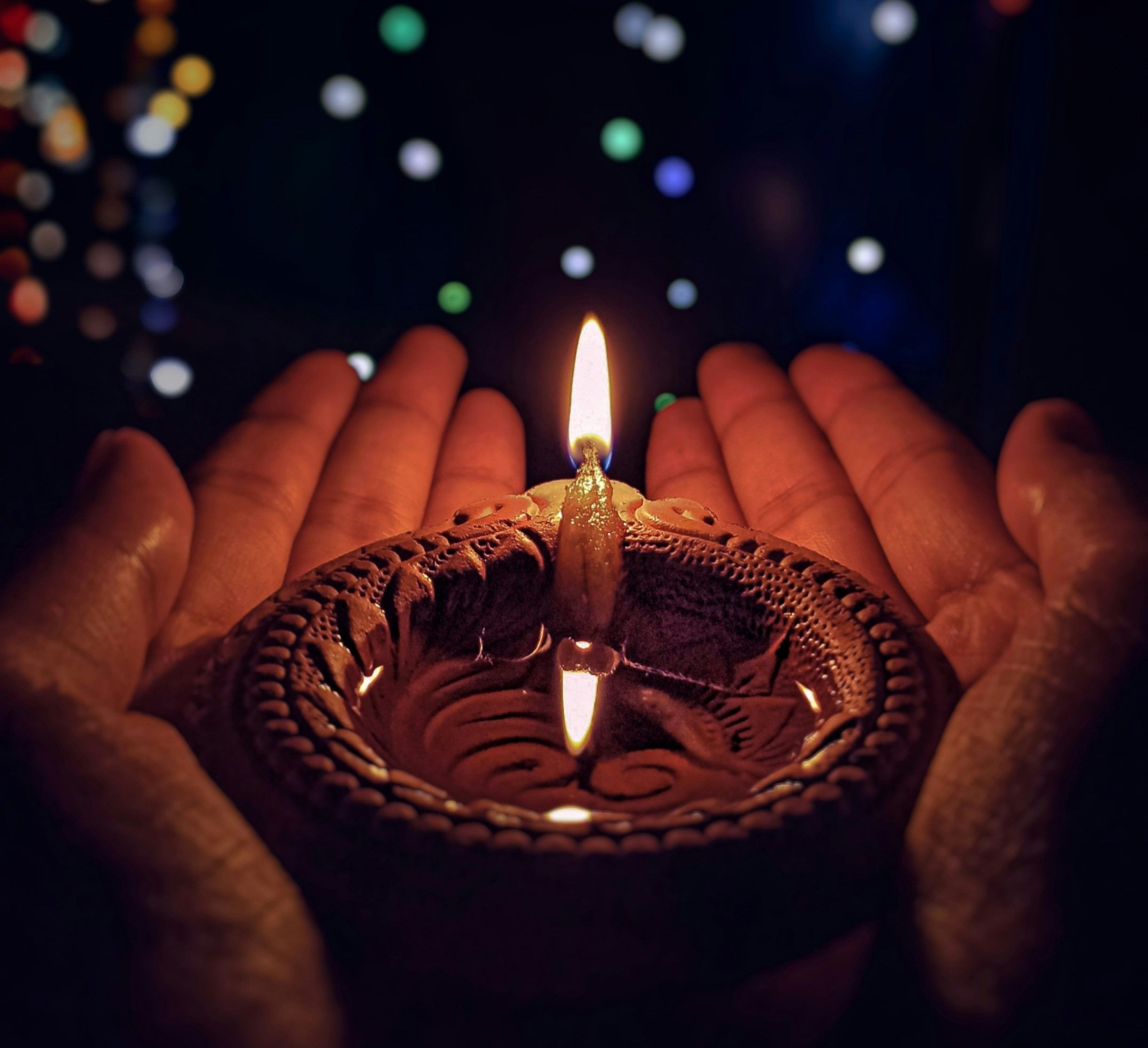

New Delhi: Deepavali, one of India’s most cherished and widely practised living traditions, has been officially inscribed on the Unesco’s Representative List of the Intangible Cultural Heritage of Humanity. The announcement was made during the 20th Session of the Unesco Intergovernmental Committee, held at the Red Fort in New Delhi on Wednesday.
Unesco noted that Deepavali strengthens social bonds, supports traditional craftsmanship and advances several Sustainable Development Goals (SDGs), including gender equality, cultural education and community welfare.
Prime Minister Narendra Modi, responding to the announcement, wrote on X: "People in India and around the world are thrilled. For us, Deepavali is very closely linked to our culture and ethos. It is the soul of our civilisation. It personifies illumination and righteousness. The addition of Deepavali to the UNESCO Intangible Heritage List will contribute to the festival’s global popularity even further. May the ideals of Prabhu Shri Ram keep guiding us for eternity."
The inscription was adopted in the presence of Union Minister of Culture Gajendra Singh Shekhawat, international experts, and delegates from 194 member states. The minister hailed the recognition as a moment of national pride and a tribute to the millions of practitioners who sustain the festival’s timeless spirit of “Tamso Ma Jyotirgamaya (the journey from darkness to light”.
Speaking to the international gathering, Shekhawat highlighted Deepavali’s deeply rooted, people-centric character, upheld by potters crafting diyas, artisans making decorations, farmers, sweet-makers, florists, priests and households that carry forward diverse local customs.
He also highlighted the festival’s vibrant presence across the global Indian diaspora, whose celebrations in regions such as Southeast Asia, Africa, the Gulf, Europe and the Caribbean have strengthened cultural bridges and amplified Deepavali’s message of hope and unity.
The nomination, prepared by the Ministry of Culture through the Sangeet Natak Akademi, followed extensive nationwide consultations with practitioners, artisans, agrarian and diaspora communities, cultural organizations and tradition bearers, reflecting the festival’s inclusive character and its broad ecosystem of livelihoods.
The ministry welcomed the inscription as a significant boost to safeguarding India’s intangible cultural heritage and transmitting it to future generations.
(Cover photo by Umesh Soni on Unsplash)