

New Delhi: The Defence Acquisition Council’s decision on Monday to accord Acceptance of Necessity (AoN) for capital acquisition proposals worth roughly ₹79,000 crore represents a significant milestone in India’s ongoing military modernization and indigenization drive. Granted at a meeting chaired by Defence Minister Rajnath Singh, these approvals span the Indian Army, Navy and Air Force, and collectively reflect the evolving character of warfare, where precision, information dominance, air and maritime surveillance, and protection against unmanned threats are becoming decisive factors.
From a broader policy perspective, the AoN stage is crucial because it formally acknowledges the operational necessity of proposed procurements and allows the acquisition process to move forward. In recent years, such approvals have increasingly emphasized systems that combine advanced technology with flexibility, rapid deployment and networked operations. The current set of approvals aligns closely with that trend, particularly in the domains of drones, precision-guided munitions, long-range surveillance and simulation-based training.
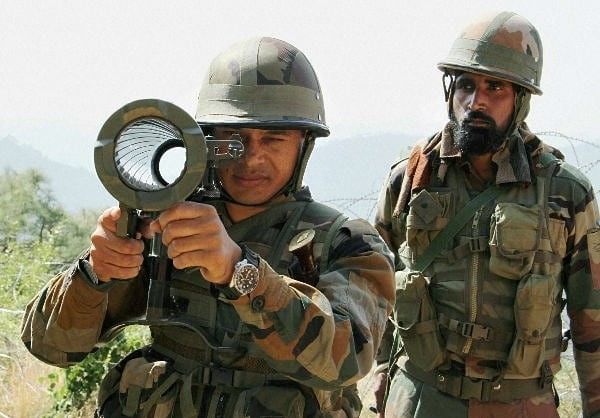
For the Indian Army, the approved systems point to a deliberate focus on precision strike, counter-drone capability and extended-range firepower. The induction of loiter munition systems reflects lessons drawn from contemporary conflicts across the world, where such weapons have proven effective in neutralizing high-value tactical targets with reduced risk to own forces. These systems blur the line between traditional artillery and air-delivered weapons by providing commanders with the ability to loiter over an area, identify targets in real time and strike with high accuracy. Their inclusion suggests a shift towards more flexible, intelligence-driven battlefield engagements.
Advanced Radar Systems
The approval for Low Level Light Weight Radars addresses a growing vulnerability faced by armed forces globally: the proliferation of small, low-flying unmanned aerial systems. Such radars are designed to detect and track drones that often evade conventional air defence sensors. Their deployment will strengthen situational awareness at lower altitudes, which is increasingly important in both conventional and asymmetric scenarios.
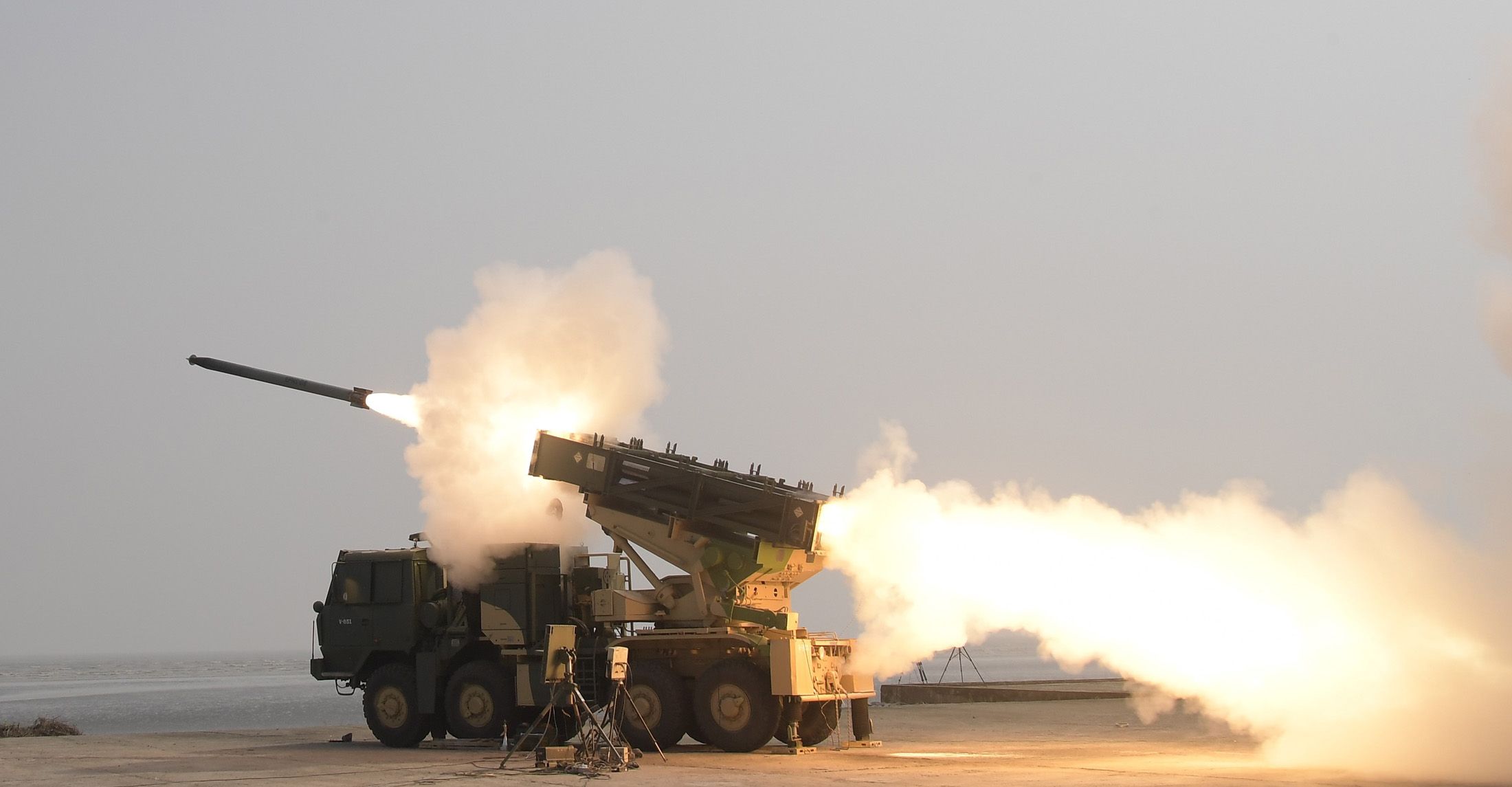
In parallel, the approval of Long Range Guided Rocket Ammunition for the Pinaka Multiple Launch Rocket System underscores India’s intent to enhance the depth and precision of its artillery fire. By extending range and improving accuracy, these rockets allow the Army to engage critical targets well beyond the immediate frontline, reinforcing deterrence and reducing the need for exposure of forward units.
The Integrated Drone Detection and Interdiction System Mk-II further complements this approach. With an enhanced range and improved capabilities, it is intended to protect vital assets not only in forward tactical areas but also in hinterland locations. This reflects an understanding that threats are no longer confined to traditional battlefields and that infrastructure, logistics nodes and population centres also require layered protection against aerial intrusions.
Maritime Capability
The approvals for the Indian Navy highlight the importance of maritime logistics, communication resilience and persistent surveillance across the Indian Ocean Region. The procurement of Bollard Pull tugs may appear modest compared to high-end combat platforms, but such assets are essential enablers of naval operations. Efficient berthing, unberthing and manoeuvring of ships and submarines in confined harbours directly affect operational readiness and safety. Their induction points to a holistic approach to capability building that values support infrastructure alongside frontline combat power.
High Frequency Software Defined Radio man-packs are aimed at strengthening secure, long-range communications during boarding and landing operations. In an era where electronic warfare and signal interception are major concerns, software-defined systems offer adaptability, encryption and upgrade potential that traditional radios lack.
Meanwhile, the decision to lease High Altitude Long Endurance (HALE) remotely piloted aircraft systems reflects a pragmatic approach to rapidly acquiring persistent intelligence, surveillance and reconnaissance capability. HALE RPAS can remain airborne for extended durations and cover vast maritime expanses, significantly enhancing maritime domain awareness. Leasing such platforms also allows the Navy to bridge capability gaps while managing costs and timelines. For the Indian Air Force, the approved proposals collectively address safety, air combat capability, training efficiency and precision strike.
Air Dominance
The Automatic Take-off and Landing Recording System is intended to strengthen the aerospace safety environment by providing reliable, all-weather, high-definition recordings of critical flight phases. Such data can be invaluable for accident investigation, training feedback and the development of safer operating procedures.
The approval for Astra Mk-II beyond-visual-range air-to-air missiles represents a continued emphasis on indigenous missile development. With an enhanced engagement range, these missiles are expected to improve the IAF’s ability to engage adversary aircraft from standoff distances, thereby increasing survivability and combat effectiveness. This is particularly relevant in an environment where air combat increasingly depends on who can detect, track and strike first.
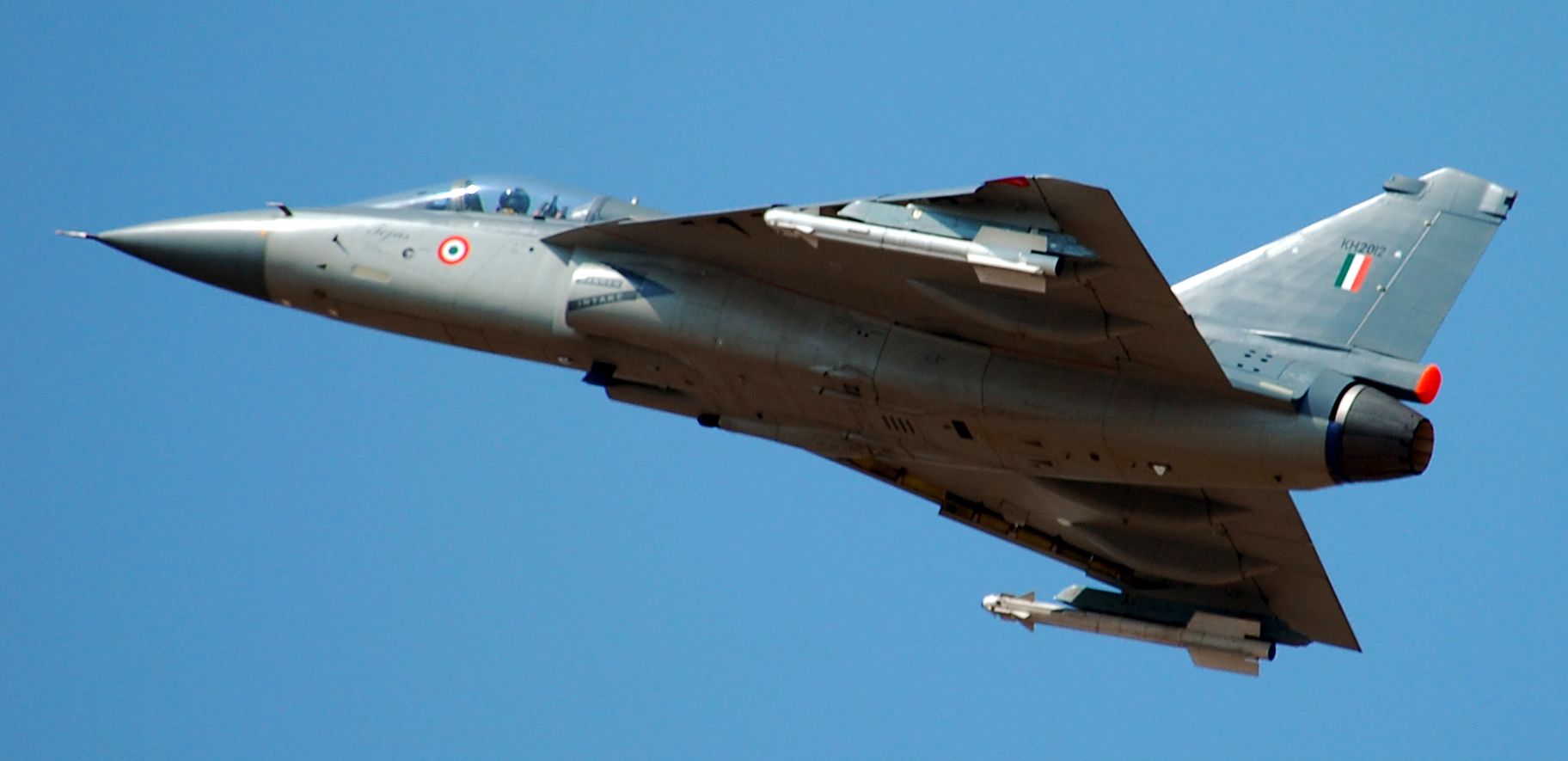
Training and force readiness are addressed through the approval of a Full Mission Simulator for the Light Combat Aircraft Tejas. High-fidelity simulators allow pilots to rehearse complex missions, emergency procedures and combat scenarios without the cost and risk associated with live flying. This not only reduces operational expenses but also accelerates skill development and standardization. The inclusion of SPICE-1000 long-range guidance kits further enhances the Air Force’s precision strike capability, enabling existing munitions to achieve high accuracy against defended targets from safer distances.
Taken together, these AoNs indicate a clear strategic direction. There is a strong emphasis on precision, surveillance, electronic resilience and counter-unmanned systems across all three Services. The mix of indigenous systems, upgrades to existing platforms and selective leasing suggests an effort to balance self-reliance with operational urgency. From a wider perspective, these decisions also signal India’s intent to remain technologically competitive and prepared for a spectrum of threats, ranging from conventional state adversaries to asymmetric and unmanned challenges.
The DAC’s approvals are not merely a collection of individual procurements, but a coherent response to changing operational realities. They reflect an integrated view of modern warfare, where effectiveness depends as much on sensors, networks and precision as on traditional platforms. As these projects progress from necessity to induction, their successful implementation will play a key role in shaping India’s defence posture in the coming years.