
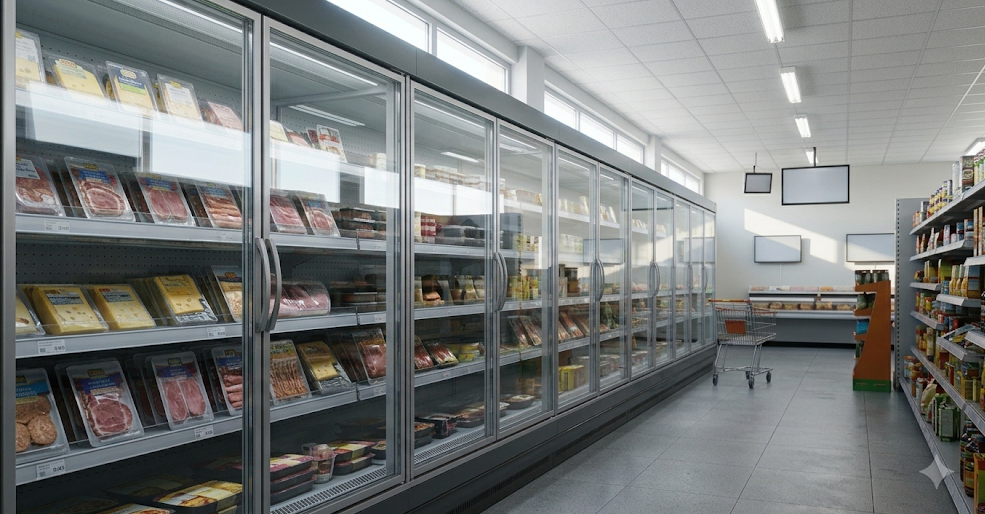

A major digital disruption has hit the retail sector across Europe, as a recent cyberattack targeted supermarket refrigeration systems in nine different European countries. According to reports, the incident has triggered severe refrigeration emergencies and raised profound concerns regarding the vulnerabilities within the modern food supply chain.
Cross-Border Refrigeration Failures
The cyberattack, which targeted grocery retail infrastructure, has left supermarkets scrambling to manage compromised temperature controls. The malicious digital interference manifested as widespread refrigeration failures.
Details on the specific technical vectors or the exact identities of the perpetrators remain limited in current reporting. However, the operational impact has been swift and tangible. Retailers across the affected nations have faced immense logistical pressure to prevent widespread spoilage, with some stores reportedly forced to discard perishable food items as internal temperatures rose.
Vulnerabilities in the Food Supply Chain
This latest incident highlights the growing exposure of societal vital sectors to digital threats. Academic literature on supply chain resilience, such as studies published by European Business Review, has long noted that supermarkets and food producers increasingly depend on complex, interconnected digital networks.
The compromise of nine countries simultaneously demonstrates a sophisticated level of disruption that transcends single-store or single-nation incidents. Industry analysts point out that modern retail relies heavily on centralized digital management for temperature monitoring, energy distribution, and inventory preservation, making refrigeration systems a high-impact target for malicious actors seeking to cause maximum physical and economic disruption.
Broader Implications for Critical Infrastructure
As investigations into the cross-border attack continue, policymakers and cybersecurity experts are re-evaluating the security baselines of retail and commercial infrastructure. Details regarding ransom demands, system recovery timelines, and official attribution have not been reported yet.
Nevertheless, the incident serves as a stark reminder of how digital vulnerabilities can directly threaten essential physical goods, placing immediate strain on European retail networks and renewing debates on how to safeguard critical societal functions against evolving cyber threats.