
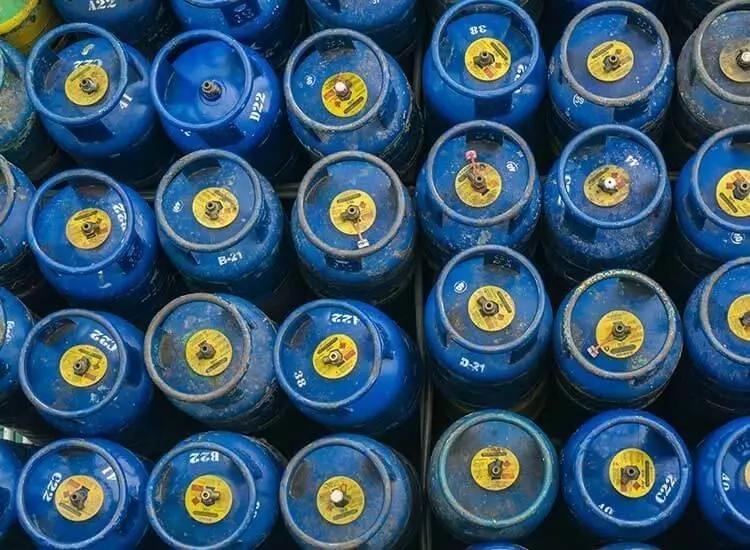

In a significant move to ease operational costs for the service and hospitality sectors, India’s Oil Marketing Companies (OMCs) have announced a substantial reduction in the prices of commercial Liquefied Petroleum Gas (LPG) cylinders. Effective today, August 1, 2026, the price of a 19kg commercial LPG cylinder has been slashed by over ₹200 across major metropolitan areas, providing immediate financial breathing room for restaurants, hotels, and small-scale industrial units.
This price revision comes at a critical time for the food and beverage industry, which has been navigating fluctuating overhead costs. According to reports, the reduction is one of the most significant single-month adjustments in recent times, with price drops exceeding the ₹200 mark in several key markets.
Regional Price Variations and Specifics
The price cut is not uniform across the country but reflects regional logistics and taxation structures. The cost of a commercial LPG cylinder in Delhi has been reduced by ₹202. Meanwhile, businesses in Kolkata are set to see an even larger benefit, with prices dropping by ₹209 per cylinder.
This adjustment follows the monthly review cycle practiced by state-run OMCs, who calibrate prices based on international fuel benchmarks and currency exchange rates. For a high-volume consumer such as a commercial kitchen, a reduction of approximately ₹200 per cylinder translates into a meaningful decrease in monthly recurring expenditure.
Stability in Domestic LPG Rates
While the commercial sector receives a boost, the pricing landscape for individual households remains unchanged. Domestic LPG rates have been kept stable this month. This divergence indicates a targeted policy shift aimed at stimulating the commercial service economy without altering the existing subsidy or pricing framework for residential consumers.
For the average household, the cost of the 14.2kg cylinder remains at its previous level. Analysts suggest that this stability is intended to maintain consumer price indices while the commercial reduction acts as a supply-side incentive for the hospitality industry, potentially preventing a rise in menu prices for end consumers.
Impact on the Hospitality and Small Business Sectors
The reduction is expected to have a cascading effect on the broader economy. Small businesses, which often operate on thin margins, are the primary beneficiaries of this OMCs' decision. The reduction of over ₹200 across major cities is likely to be welcomed by the National Restaurant Association and other trade bodies.
By lowering the cost of a primary input like fuel, OMCs are effectively providing a stimulus to the urban service sector. Whether this leads to lower prices for consumers at restaurants remains to be seen, but it provides a necessary buffer against other rising costs in the supply chain. As of August 1, 2026, the new rates are officially in effect at all distribution points nationwide.