
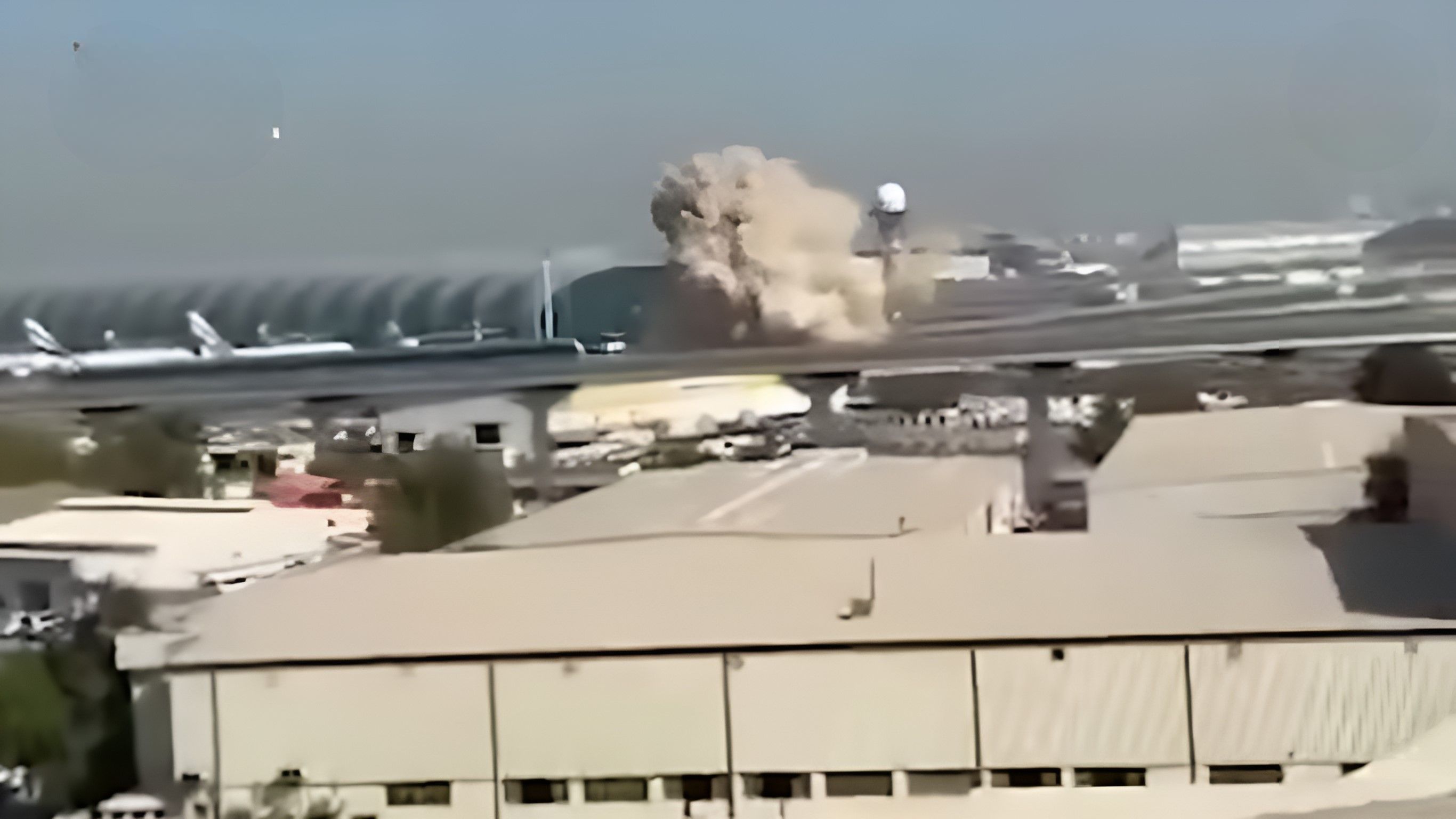

New Delhi: IATA, in its 2025 Annual Safety Report, warned that the proliferation of conflict zones is driving significant rerouting and operational complexity for airlines, with military activity occurring in or near flight corridors in some regions. The latest disruptions come amid the outbreak of war involving the United States, Israel and Iran, which has heightened risks for civil aviation across West Asia.
“Civil aircraft must never be placed at risk from military activity — deliberately or accidentally. When tensions rise, governments must share timely risk information, ensure effective civil-military coordination, restrict airspace where needed, and provide airlines with sufficient information for their own risk assessments. Whether closing or re-opening airspace, safety depends on transparency, facts, and coordination,” said Willie Walsh, IATA Director General.
Clear and consistent Notice to Airmen (NOTAM) advisories and risk assessments are also critical for airlines to plan safe and efficient operations. Walsh stressed that transparency, facts and coordination between governments and aviation stakeholders are essential to ensure passenger safety during geopolitical crises.
Meanwhile, India’s Ministry of Civil Aviation said that it is closely monitoring the evolving situation in West Asia that is affecting air travel between India and the Gulf region. Airlines are making necessary operational adjustments in response to prevailing conditions to ensure passenger safety and the orderly conduct of flight operations.
Passenger movement data for March 7, 2026 shows that 51 inbound flights operated by Indian carriers arrived from the region carrying 8,175 passengers. For March 8, Indian airlines including Air India, Air India Express, IndiGo, SpiceJet and Akasa Air had planned 49 inbound flights from key regional hubs such as Dubai, Abu Dhabi, Ras Al Khaimah, Fujairah, Muscat and Jeddah, subject to operational feasibility. Indian carriers planned around 50 flights on March 9 while continuously assessing the ground situation in other airports in the region so that additional services can be operated if conditions permit.
The Ministry of Civil Aviation said it remains in constant coordination with airlines and other stakeholders. Airfares are also being closely monitored to ensure ticket prices remain reasonable and that there is no undue surge during the current disruption.
Passengers have been advised to stay in touch with their respective airlines for updates on flight schedules.
Airport bombings across parts of the Gulf are forcing airlines to reroute flights and suspend operations, raising fresh concerns over the safety of civilian aviation. The crisis is also affecting India’s air connectivity with the region — its largest international travel market — prompting close monitoring by authorities and operational adjustments by airlines.
West Asia is the largest destination region for international origin-destination passenger traffic from India, accounting for 39.2% of the market, or around 14.9 million passengers in 2024, according to IATA. The corridor is driven largely by labour migration, with millions of Indians working in countries such as the UAE, Saudi Arabia, Oman and Qatar, sustaining strong year-round demand for flights.
However, the ongoing crisis has led to cancellations of regular services to parts of the region, with only selective flights operating in some cases to bring back stranded Indians. Airfares on routes originating from major Gulf hubs such as Dubai, Riyadh, Muscat and Doha have also risen sharply amid the disruptions.
Industry experts note that airlines operate on narrow profit margins and are particularly sensitive to increases in operational costs. Aviation fuel alone accounts for around 40-50% of airline operating expenses in India, significantly higher than the global average due to tax burdens.
IATA has warned that excessive taxation or administrative costs can render routes unprofitable, potentially leading to service withdrawals and slowing the sector’s growth trajectory.