
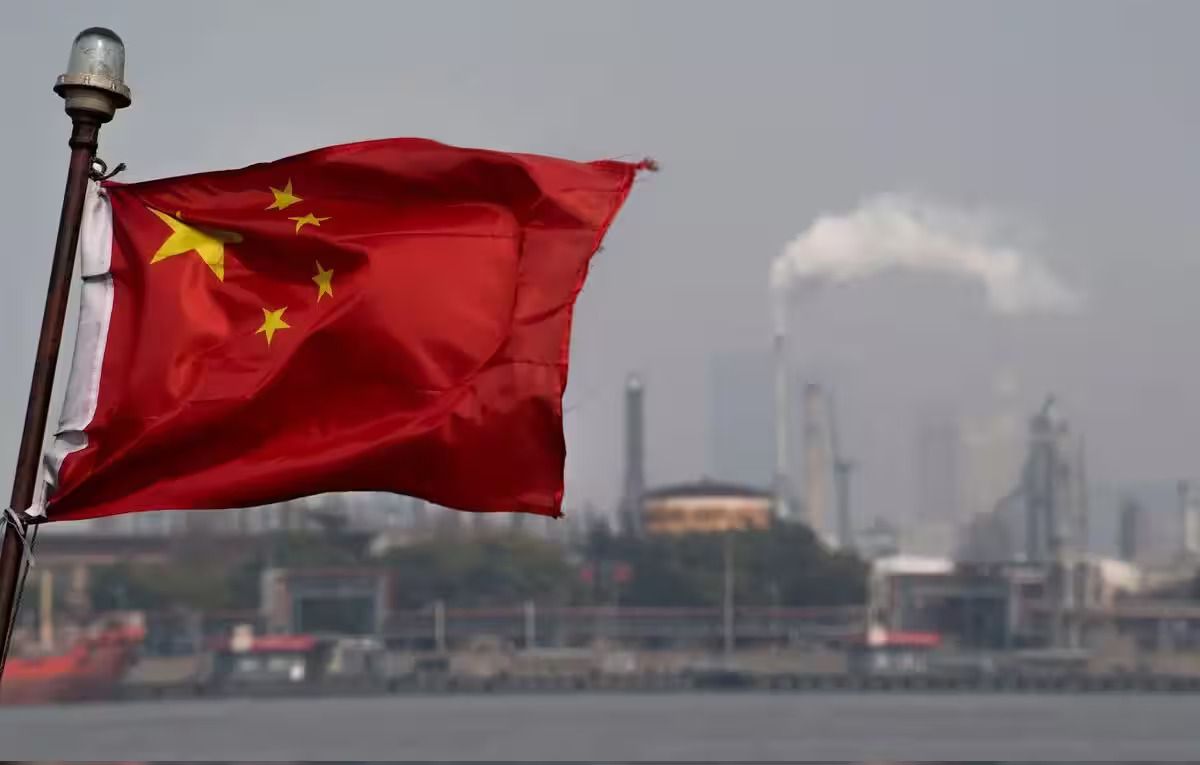

As global economic pressures mount following recent escalations, geopolitical fault lines are once again coming into sharp focus. According to reports, China continues to reject external pressure aimed at isolating Iran, maintaining that sanctions and economic measures are insufficient for resolving deepening regional conflicts.
The Mounting Economic Pressure Campaign
The diplomatic standoff coincides with severe economic alarms sounding within Iran. As per reports, leadership in Tehran is confronting intense financial friction under what has been termed an economic "D-Day" scenario driven by Washington. These developments follow aggressive economic operations launched against Iran, alongside contentious threats regarding critical regional waterways like the Strait of Hormuz, where Iran has previously hit back against proposals to declare the strait US territory.
Simultaneously, internal discussions within Tehran reflect the gravity of the situation. Iranian officials, including figures such as Pezeshkian, have signaled that it is time to work toward ending ongoing conflicts while the nation maintains a position of strength. However, the broader international framework remains fractured, with external powers deeply divided over how to respond.
Beijing's Stance and Bilateral Ties
Amid these heightened maneuvers, Beijing has steadfastly pushed back against Washington's push for isolation. Historically and presently, China has maintained that economic pressure and unilateral sanctions cannot effectively resolve complex geopolitical disputes.
Global Repercussions and Future Outlook
The refusal by major global economies to join a strict US-led isolation strategy highlights the limits of unilateral economic statecraft. Analysts are increasingly questioning whether escalating sanctions threats will trigger a wider global economic war or merely push targeted nations into tighter alternative trade networks.
As the situation develops, the divergence between Western enforcement mechanisms and Asian diplomatic resistance ensures that Iran’s economic and political survival strategies will remain a central pillar of international relations. Whether diplomatic channels can leverage positions of strength to de-escalate tensions before further financial fragmentation occurs remains the defining question for global markets.