

New Delhi: The Union cabinet on Wednesday approved the ₹7,280-crore scheme to promote manufacturing of sintered rare earth permanent magnets, marking a significant step towards building India’s first fully integrated capabilities in this critical technology segment.
The scheme aims to establish 6,000 metric tonnes per annum (MTPA) of rare earth permanent magnet (REPM) manufacturing capacity in the country, covering the entire value chain from conversion of rare-earth oxides into metals, metals into alloys, and alloys into finished permanent magnets.
REPMs are among the strongest permanent magnets used globally and form indispensable components in electric vehicles, renewable-energy systems such as wind turbines, consumer electronics, robotics, aerospace, and defence equipment.
India’s rapidly expanding demand for such high-performance magnets is expected to double by 2030 compared with 2025, and at present the country is dependent almost entirely on imports to meet its requirements.
The financial outlay of the scheme includes ₹6,450 crore as sales-linked incentives for a five-year period and ₹750 crore as capital subsidy to support the establishment of manufacturing infrastructure.
The total targeted production capacity of 6,000 MTPA will be allocated to five beneficiaries through a global competitive bidding process, with each selected applicant eligible for up to 1,200 MTPA capacity. The duration of the scheme will be seven years from the date of award, including a two-year gestation period for setting up integrated facilities and a five-year window for disbursement of sales-based incentives.
Officials emphasized that the scheme will strengthen India’s self-reliance in critical materials, reduce import dependency, and build secure supply chains for sectors that will dominate future economic growth, particularly electric mobility and green-energy technologies. With REPMs being vital for high-efficiency motors and energy systems, domestic production is expected to accelerate the adoption and competitiveness of electric vehicles and renewable-power applications in India.
The initiative is also being viewed as a key enabler of the country’s long-term clean-energy roadmap and its pledge to achieve Net Zero emissions by 2070.
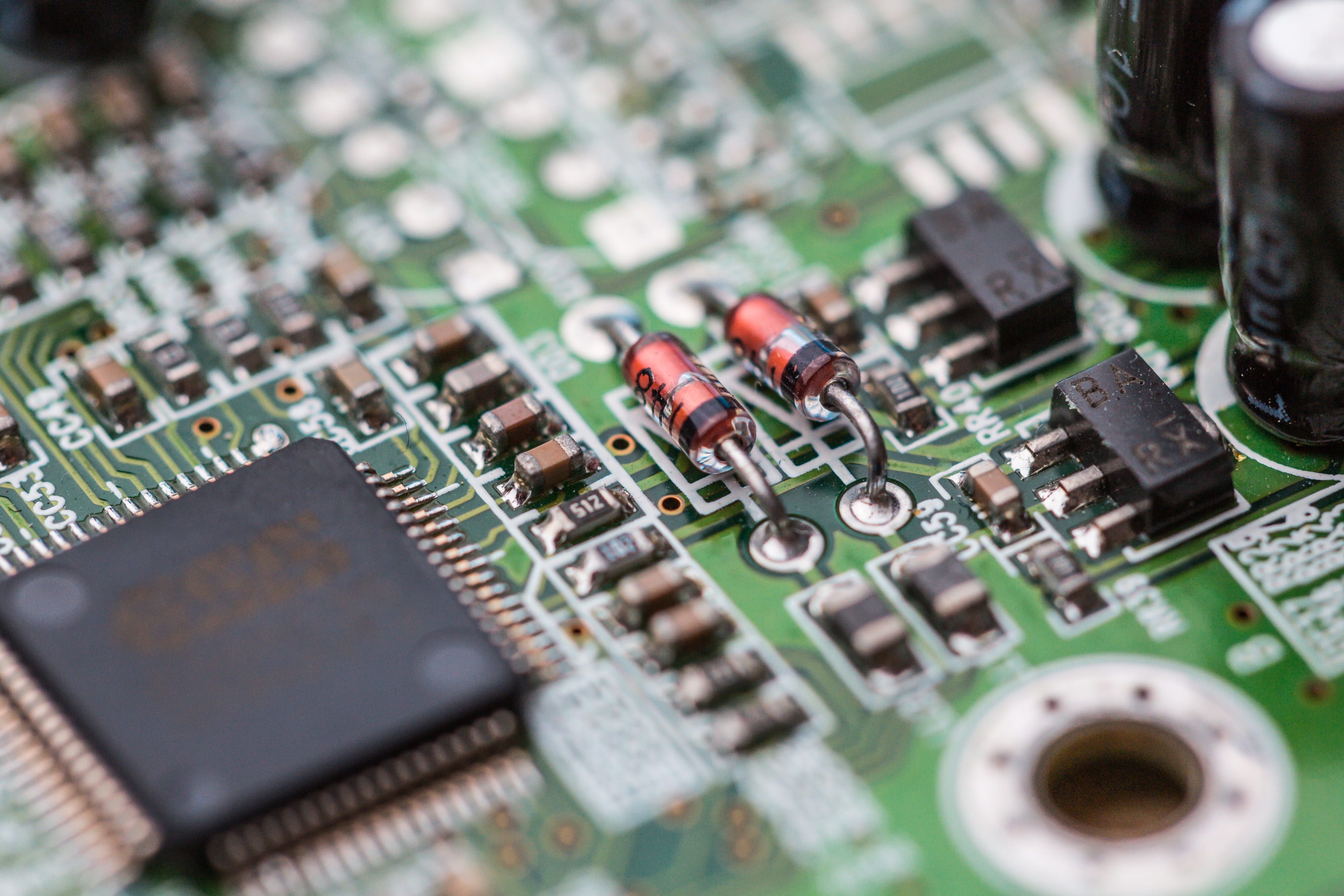
REPMs form indispensable components in consumer electronics, electric vehicles, renewable-energy systems such as wind turbines, robotics, aerospace and defence equipment.
Industry experts have welcomed the move, noting that it places India among nations investing strategically in critical magnet technologies amid rising global demand and concentrated supply chains. The government expects that the scheme will generate significant employment, foster indigenous technological capability, and position India as an important player in the global market for rare-earth permanent magnets. Implementation guidelines and bidding procedures are expected to be issued soon, after which the selection process for beneficiaries will begin and construction of the integrated manufacturing units will commence.