

New Delhi: The Union cabinet, chaired by the Prime Minister Narendra Modi, on Tuesday approved two major policy decisions aimed at strengthening the nation’s economic and social framework — the fixation of nutrient-based subsidy (NBS) rates for the 2025-26 Rabi season on phosphatic and potassic (P&K) fertilisers, and the terms of reference (ToR) for the 8th Central Pay Commission.
The cabinet approved the proposal of the department of fertilizers to fix the NBS rates for the Rabi season, effective from October 1 to 31 March. The tentative budgetary requirement for the period has been estimated at Rs 37,952.29 crore, about Rs 736 crore higher than the allocation for this year’s Kharif season.
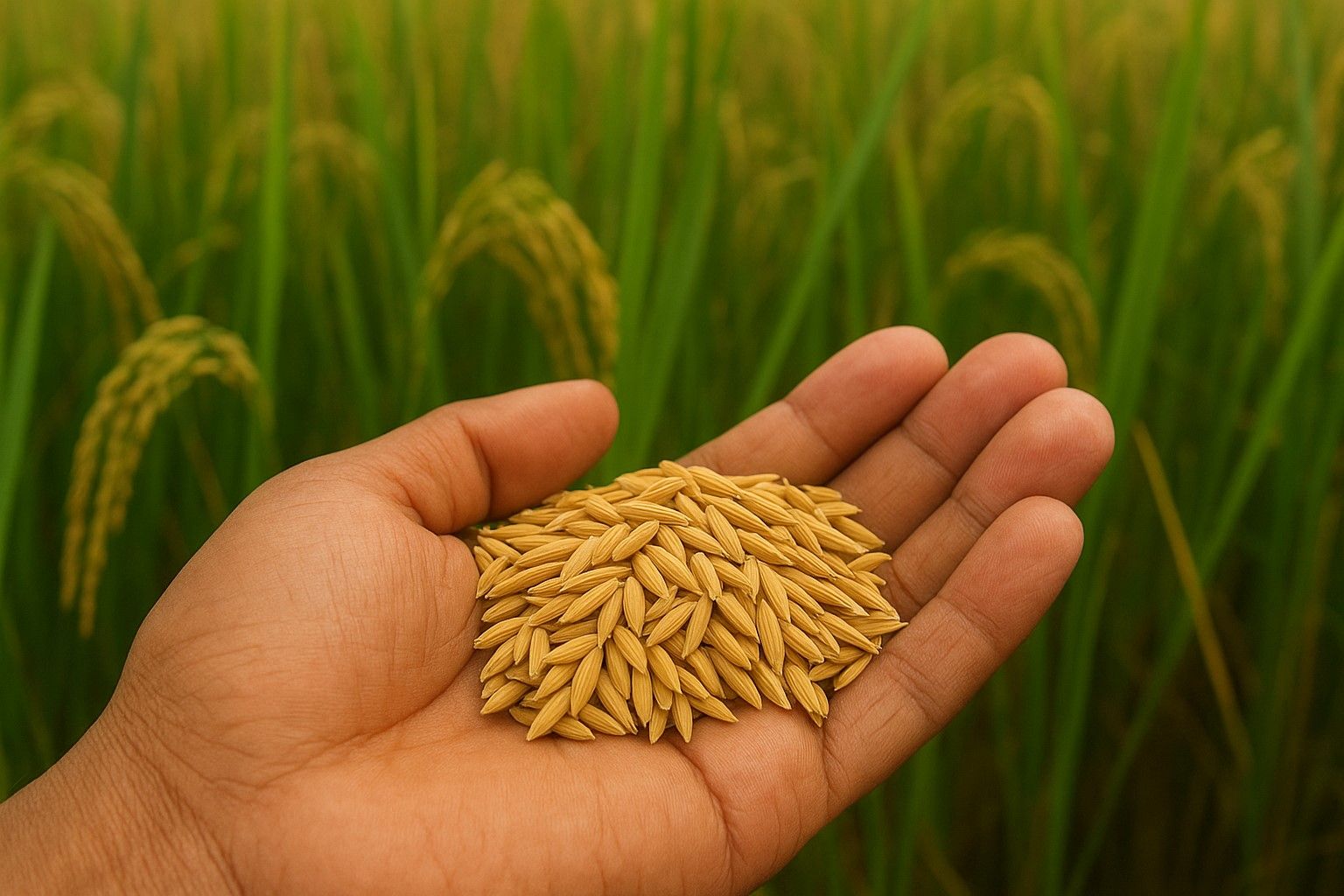
The subsidy will be extended on P&K fertilisers, including di ammonium phosphate (DAP) and NPKS (nitrogen, phosphorus, potash, sulphur) grades, based on approved rates to ensure smooth availability to farmers at affordable prices. This move aims to maintain price stability and ensure that the benefits of government support reach cultivators directly.
The decision will help guarantee the availability of fertilisers to farmers at reasonable, subsidised prices and rationalize the subsidy structure in light of global trends in fertiliser and input costs.
The government currently provides 28 grades of P&K fertilisers, including DAP, at subsidised rates through fertiliser manufacturers and importers under the nutrient-based subsidy scheme, which has been in operation since April 1, 2010. In keeping with recent fluctuations in international prices of fertilisers and key raw materials such as urea, DAP, MOP and sulphur, the new rates will ensure both fiscal prudence and affordability for the agricultural sector.
In another landmark decision, the cabinet approved the terms of reference for the 8th Central Pay Commission. The Commission will be a temporary body comprising a chairperson, one part-time member, and one member-secretary, and will submit its recommendations within 18 months from the date of its constitution. It may also issue interim reports on specific subjects as and when its recommendations are finalised.
While formulating its proposals, the Commission will consider the prevailing economic conditions, the need for fiscal discipline, resource allocation for development and welfare measures, the unfunded costs of pension schemes, the financial implications for state governments, and parity with the emolument structures in central public sector undertakings (CPSUs) and the private sector.
The Central Pay Commissions are periodically constituted to review the emoluments, benefits, and service conditions of central government employees. Traditionally set up every 10 years, the 8th Central Pay Commission’s recommendations are expected to come into effect from January 1, 2026. The government had earlier announced its formation in January 2025, reaffirming its commitment to fair compensation and improved working conditions for central government employees.