
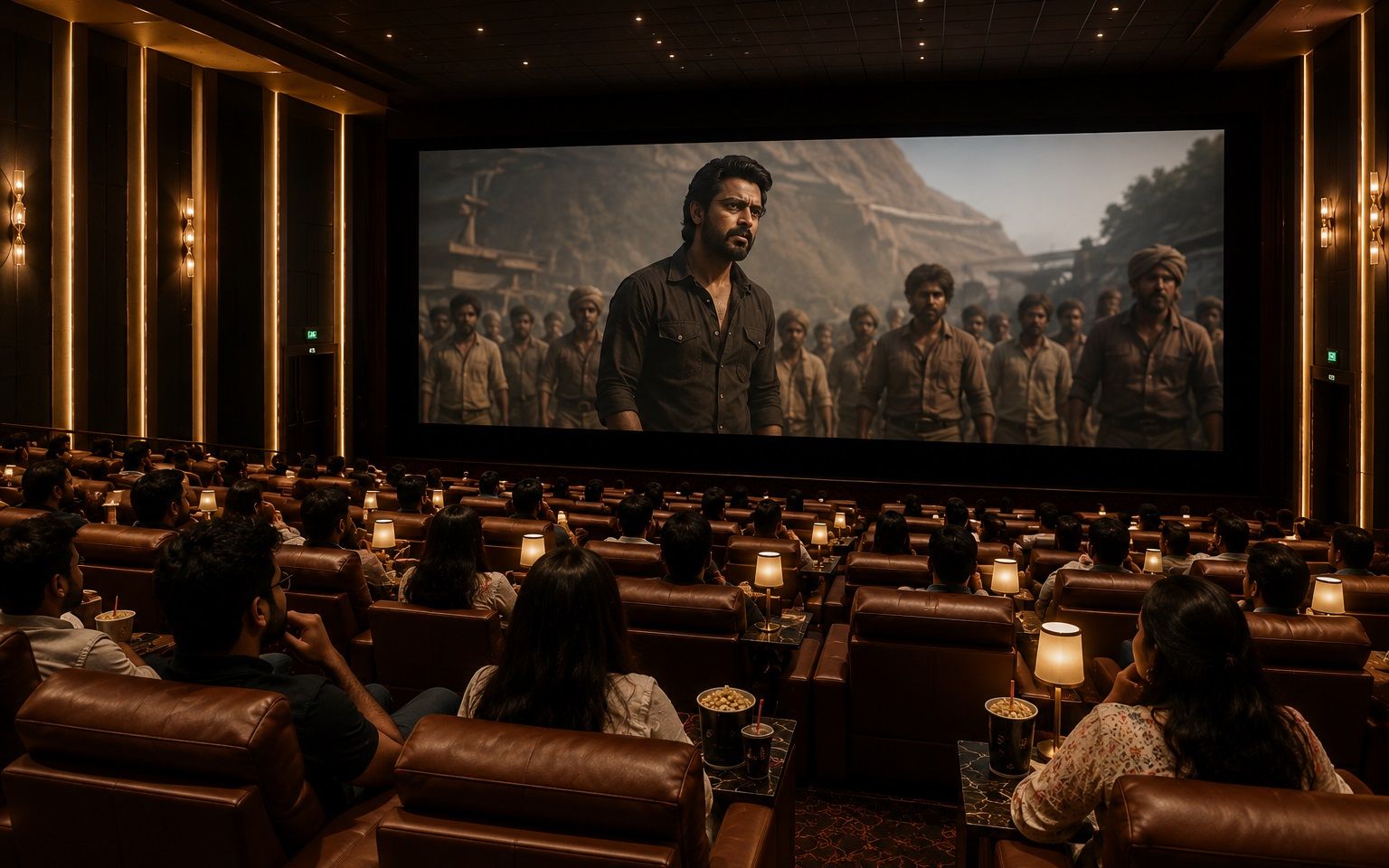

New Delhi: India’s theatrical exhibition business has staged one of its strongest post-pandemic recoveries, with multiplex operators reporting a 21% jump in domestic box office collections during the first half of 2026 compared with the same period last year. The rebound signals more than just a string of blockbuster releases. It reflects the return of consumer confidence, a strengthening content pipeline and the growing resilience of cinema-going across both metropolitan centres and smaller towns.
The latest figures released by the Multiplex Association of India (MAI) suggest that audiences are once again embracing the big-screen experience after years of disruption from the pandemic and the rapid rise of streaming platforms. The industry’s recovery has been powered by an unusually diverse mix of Hindi, Tamil, Telugu and Hollywood films, reducing dependence on a handful of Bollywood tent-poles and broadening revenue streams for exhibitors.
Among the biggest contributors to the strong first-half performance were films including Border 2, Dhurandhar 2, Project Hail Mary, Michael, Bhoot Bangla, Obsession, Raja Shivaji, Karuppu, Mein Vaapas Aaunga, Cocktail 2 and Welcome to the Jungle. Their collective success demonstrated that audiences are rewarding compelling stories across languages, genres and budgets rather than concentrating spending on only a few mega-budget spectacles.
“The first half of 2026 has demonstrated the resilience and enduring appeal of the theatrical business,” MAI President Kamal Gianchandani said. “A healthy mix of blockbuster franchises, original stories, regional cinema, and international releases has resonated with audiences across India. The 21% year-on-year growth is a strong indicator that consumers continue to value the immersive, communal experience that cinemas uniquely offer.”
Growth Drivers Emerge
The numbers underline an important shift in India’s exhibition business. Rather than relying solely on large metropolitan markets, cinema operators are increasingly drawing audiences from Tier II and Tier III cities, where improved multiplex penetration and higher disposable incomes are expanding the consumer base. MAI said sustained footfalls across both urban and smaller markets were instrumental in driving growth during the first six months of the year.
The diversification of India’s film industry is proving equally significant. Strong performances from Tamil and Telugu cinema, alongside Hindi releases and international films, have created a steadier flow of theatrical content throughout the year. This has helped reduce the sharp revenue swings that exhibitors experienced when release calendars became heavily dependent on a few festival weekends.
The improvement also comes as inflationary pressures on discretionary consumer spending have eased compared with recent years. Moviegoers are increasingly treating cinemas as an experience rather than merely a means of watching new releases, allowing exhibitors to generate higher spending through premium formats, food and beverages, and enhanced in-theatre offerings.
Even so, competition from over-the-top streaming platforms remains intense. While digital services continue to attract audiences seeking convenience, the industry’s latest performance suggests cinemas have successfully carved out a complementary role by offering large-format viewing, immersive sound and the communal experience that cannot be replicated at home.
Pipeline Holds Key
The industry’s next challenge will be maintaining momentum through the remainder of 2026. A healthy release calendar has historically been the single biggest determinant of box office performance, and exhibitors believe the upcoming slate will sustain the recovery.
“The industry’s performance reflects the collective efforts of producers, distributors, exhibitors, and filmmakers in delivering a sustained pipeline of quality cinema,” said Devang Sampat, Managing Director of Cinepolis India. “As the release calendar continues to strengthen, we remain optimistic about maintaining this positive trajectory through the second half of the year. A healthy and predictable flow of theatrical releases remains the single most important driver of long-term industry growth.”
The optimism extends beyond immediate box office receipts. Strong theatrical performance improves the economics of the entire film ecosystem by enhancing downstream revenues from satellite rights, digital streaming, overseas distribution and music licensing. A healthier exhibition sector also encourages producers to greenlight larger-budget projects, creating a virtuous cycle of investment and audience demand.
MAI, which represents more than 11 cinema chains operating over 550 multiplexes and around 3,000 screens across India, said it would continue working with producers, distributors and filmmakers to strengthen the theatrical ecosystem.
For investors and the broader media industry, the first-half performance sends a clear message. India's cinema business is no longer merely recovering from the pandemic shock; it is entering a more balanced phase where regional cinema, diversified content and expanding audiences beyond major cities are underpinning sustainable growth. If the second-half release pipeline delivers as expected, 2026 could emerge as one of the strongest years for India’s multiplex industry in recent memory.