
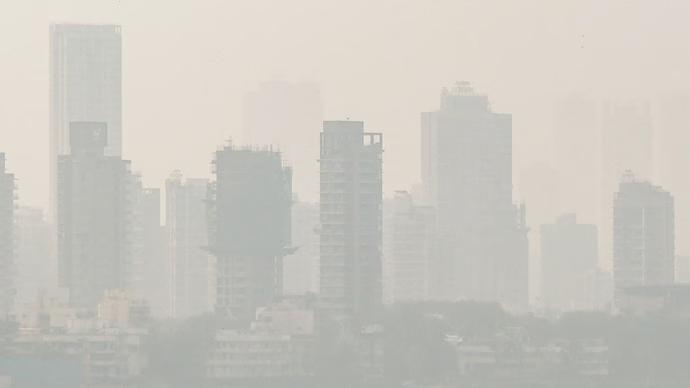

The Bombay High Court has sharply criticized city authorities over escalating air quality concerns in Mumbai, expressing deep concern after the coastal metropolis briefly surpassed Delhi in pollution metrics. The bench's intervention highlights a growing crisis as toxic smog envelops the city, prompting urgent judicial scrutiny over administrative inaction.
Judicial Scrimmage Over Worsening Air Quality
During proceedings on Thursday, October 22, the Bombay High Court did not mince words regarding the alarming environmental shift. According to reports, the bench remarked that it is "shocking that Mumbai is surpassing Delhi in pollution."
The court severely pulled up civic authorities for failing to contain the deteriorating air quality, questioning officials with the exasperated query, "Who is bothered?". The bench’s sharp rebuke underscores a mounting frustration within the judiciary over how municipal bodies manage environmental emergencies.
Analyzing the Mumbai vs. Delhi Pollution Spike
The shift in urban air quality rankings has caught legal and environmental experts off guard. Traditionally, national attention on severe smog and hazardous Air Quality Index (AQI) readings has centered heavily on the national capital, Delhi. However, recent indicators show Mumbai grappling with severe particulate entrapment, heatwaves, and rising pollution levels.
The Bombay High Court has actively questioned why Mumbai's pollution indicators are scaling past those traditionally recorded in northern urban centers, turning the spotlight onto local industrial emissions, unchecked construction dust, and meteorological factors.
Accountability and Immediate Demands
The court's strong stance serves as a stern warning to municipal corporations and urban planners that business-as-usual approaches to environmental governance will no longer be tolerated. By categorizing the situation as an urgent matter, the judiciary is pushing for immediate containment strategies rather than deferred policy rollouts.
Details on specific long-term mitigation policies ordered by the court have not been reported yet, but the immediate pressure on civic agencies is palpable as they scramble to respond to the bench's stinging oversight.