
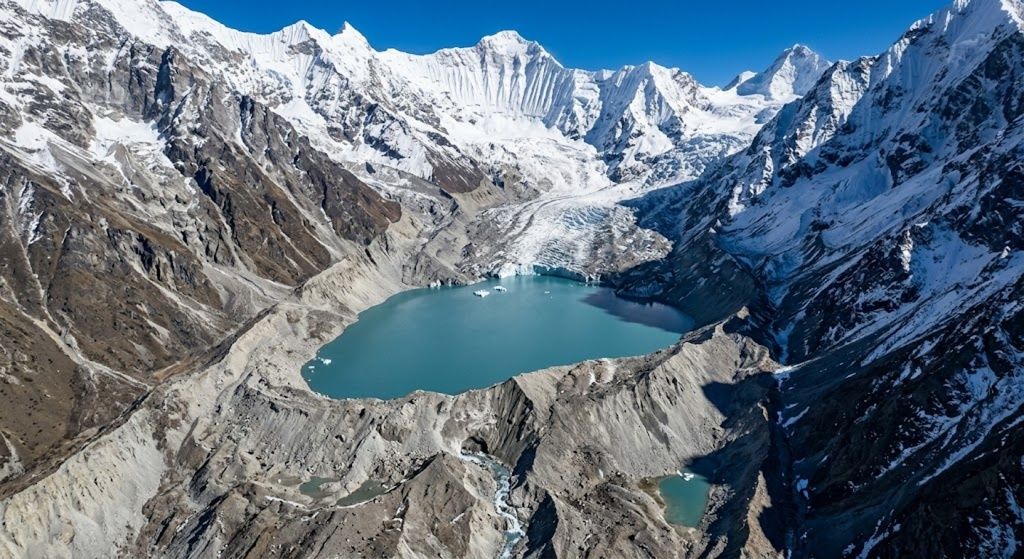

As the Himalayan region continues to grapple with escalating climate vulnerabilities, authorities in Sikkim have identified 40 high-hazard glacial lakes across the state, according to recent reports. This critical assessment comes in the wake of a disaster in neighboring Nepal, heightening fears of potential flash floods and severe downstream risks.
Identifying the Threat: 40 High-Hazard Lakes
The identification of these hazardous water bodies highlights the mounting environmental pressures facing the fragile mountain ecosystem. Out of the total 40 high-hazard glacial lakes flagged by authorities, a subset of 16 water bodies has been categorized as being at the highest risk of catastrophic outbursts. These formations pose an immediate danger of Glacial Lake Outburst Floods (GLOFs), which can unleash massive walls of water and debris down mountain valleys with little warning.
Downstream Vulnerabilities and the Nepal Precedent
The heightened state of alert in Sikkim is heavily influenced by recent regional events. Following a disaster in Nepal, concerns have spiked regarding the structural integrity of high-altitude glacial moraines and their capacity to withstand shifting weather patterns and seismic activity. The 16 lakes deemed to be at the highest risk represent a severe, localized threat to human settlements, infrastructure, and vital hydropower projects situated along downstream river basins.
Mitigation and Ongoing Response
The identification of these 40 high-hazard sites marks a critical step toward prioritizing monitoring, early warning system deployment, and disaster preparedness in vulnerable valleys. As regional climate pressures mount, scientists and policymakers face mounting urgency to safeguard Himalayan communities from potential GLOF catastrophes.