
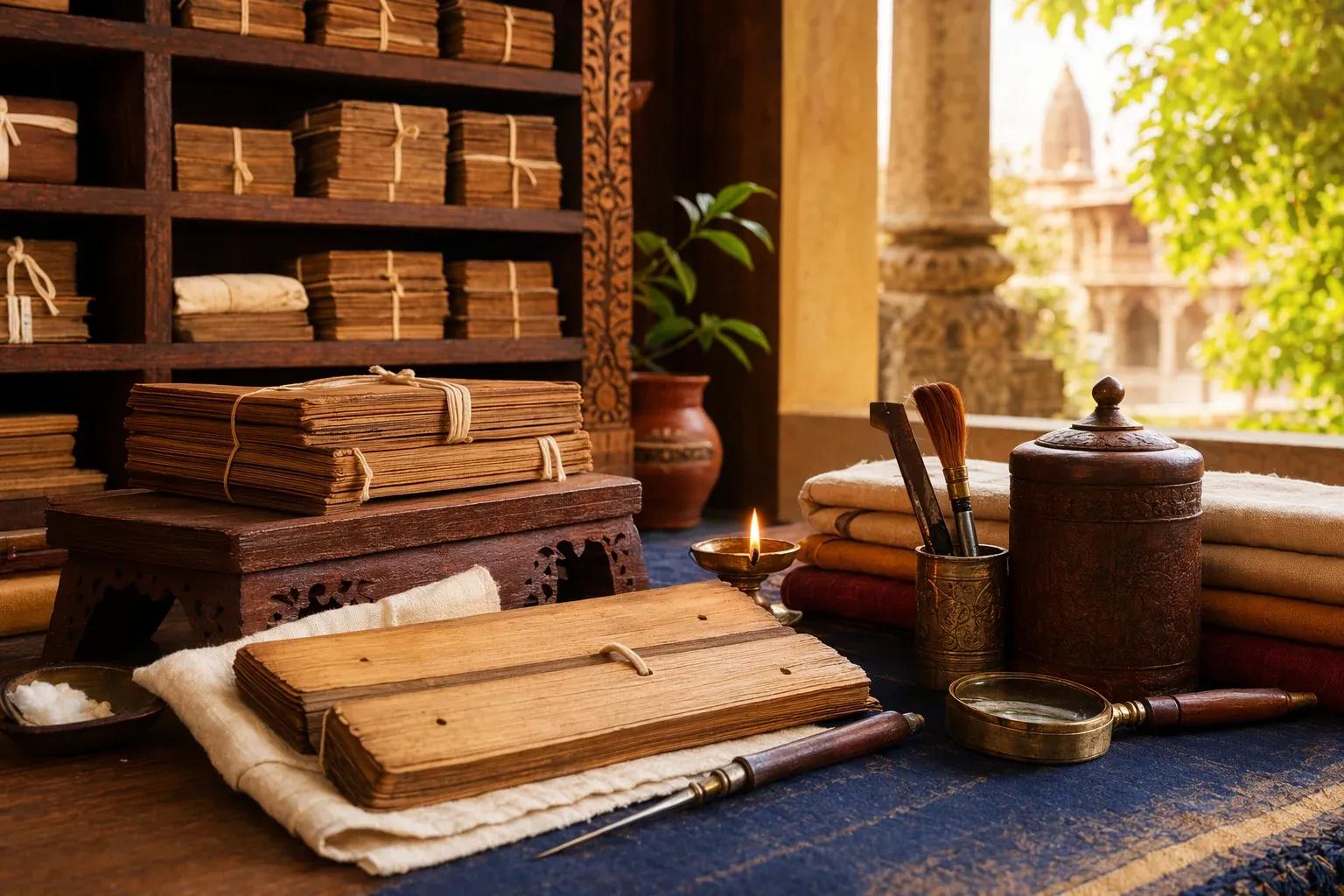

Long before printing presses made books accessible to the masses, knowledge travelled through a far more fragile medium in India: handwritten manuscripts. Etched onto palm leaves, inscribed on birch bark and carefully reproduced by generations of scribes, these documents carried stories, and accounts of civilisations across centuries.
India's vast manuscript heritage holds an extraordinary record of its intellectual and cultural evolution. Some texts explored the complexities of human behaviour, others documented kingdoms and political conflicts, while several examined governance, philosophy, science and society. Nevertheless, the survival of these works was never guaranteed. These manuscripts were vulnerable to humidity, insects, which may decay with the passage of time.
Against this backdrop, the recent inclusion of three Indian manuscripts – the Mahabharata, Kautilya's Arthashastra and Kalhana's Rajatarangini , in UNESCO's Memory of the World Asia-Pacific Regional Register brings renewed attention to this incredible documentary heritage.
What is UNESCO's Memory of the World?
Launched in 1992, UNESCO's Memory of the World Programme aims to protect the documentary heritage of humanity, encourage access to it and raise awareness about its historical significance. Unlike the World Heritage List, which primarily recognises sites of cultural and natural importance, this programme focuses on recorded knowledge. Manuscripts, books, photographs, maps, inscriptions, films and sound recordings are among the materials it seeks to protect.
The recent recognition was announced following the 11th session of the Memory of the World Committee for Asia and the Pacific (MOWCAP), held in Jakarta, Indonesia. With these three additions, India's inscriptions on the regional register have increased to six. The recognition is not merely about acknowledging old texts, it also draws attention to the institutions and preservation efforts that have kept these fragile records accessible to future generations.
Three manuscripts, three extraordinary worlds
What makes these three manuscripts particularly fascinating is how differently they capture the world around them. One documents the rise and fall of kings, another explores the complexities of human nature, while the third offers an unusually detailed look into the mechanics of running a state.
Rajatarangini: When history became a river of kings
Written by the Kashmiri historian Kalhana around 1148–1149 CE, Rajatarangini, literally translating to 'River of Kings', is one of the most remarkable historical chronicles of medieval India. Comprising 7,826 verses divided into eight books, known as Tarangas, it records the dynasties and political history of Kashmir.
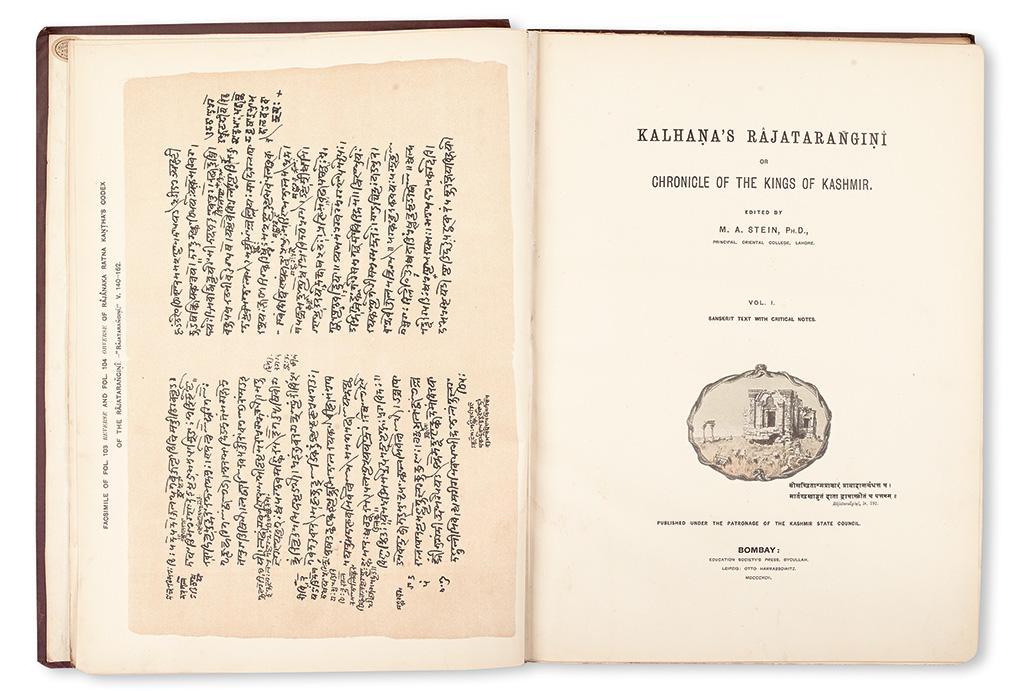
But what makes Kalhana's work particularly interesting is his approach to recording history. Rather than simply glorifying rulers, he drew upon earlier chronicles, inscriptions, royal records and other sources to build his account. He also reflected on the importance of a historian remaining impartial, free from excessive affection or hostility towards the people being described.
His work is not a modern historical record in the contemporary sense, it blends poetry, legends and historical accounts.
The Mahabharata: An epic that understood human contradictions
Often remembered as the story of the great battle of Kurukshetra, the Mahabharata is far more than a tale of two rival families. It is an exploration of ambition, jealousy, loyalty, betrayal, duty and the complicated nature of human morality. It is the world’s longest epics, which contains roughly around 100,000 verse couplets making it roughly ten times the length of Homer’s Iliad and Odyssey combined.
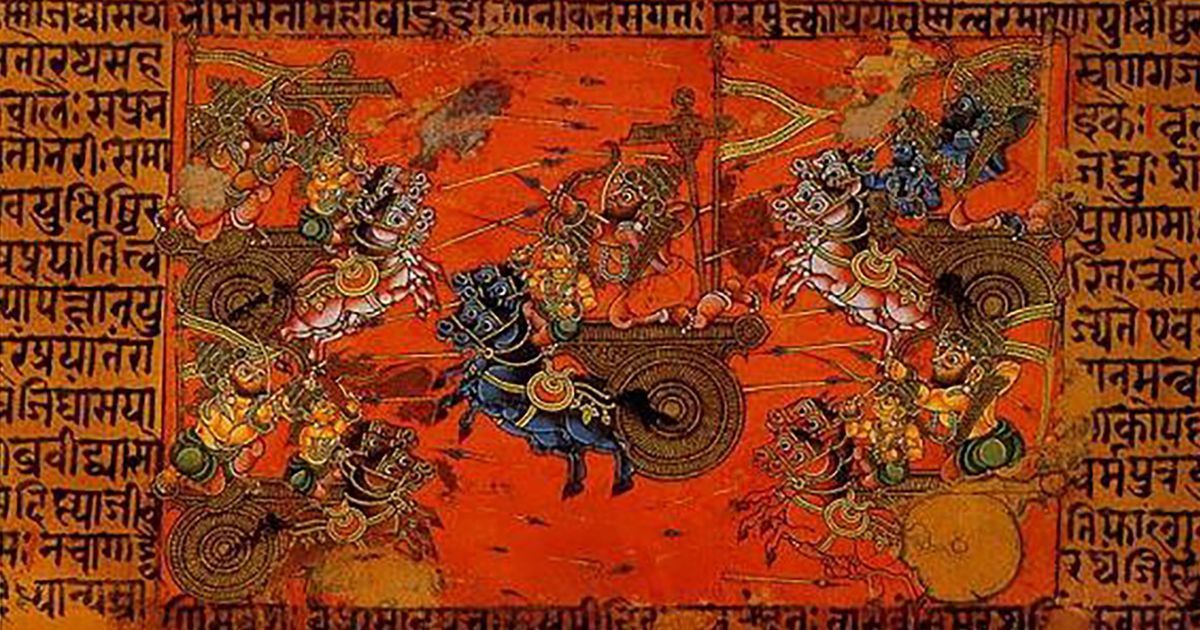
What makes the epic particularly fascinating is that its characters are rarely straightforward personifications of good or evil. Its protagonists make questionable decisions, its villains have genuine motivations, and even the idea of righteousness is repeatedly challenged. Perhaps that is why questions raised in the epic continue to resonate with readers till date.
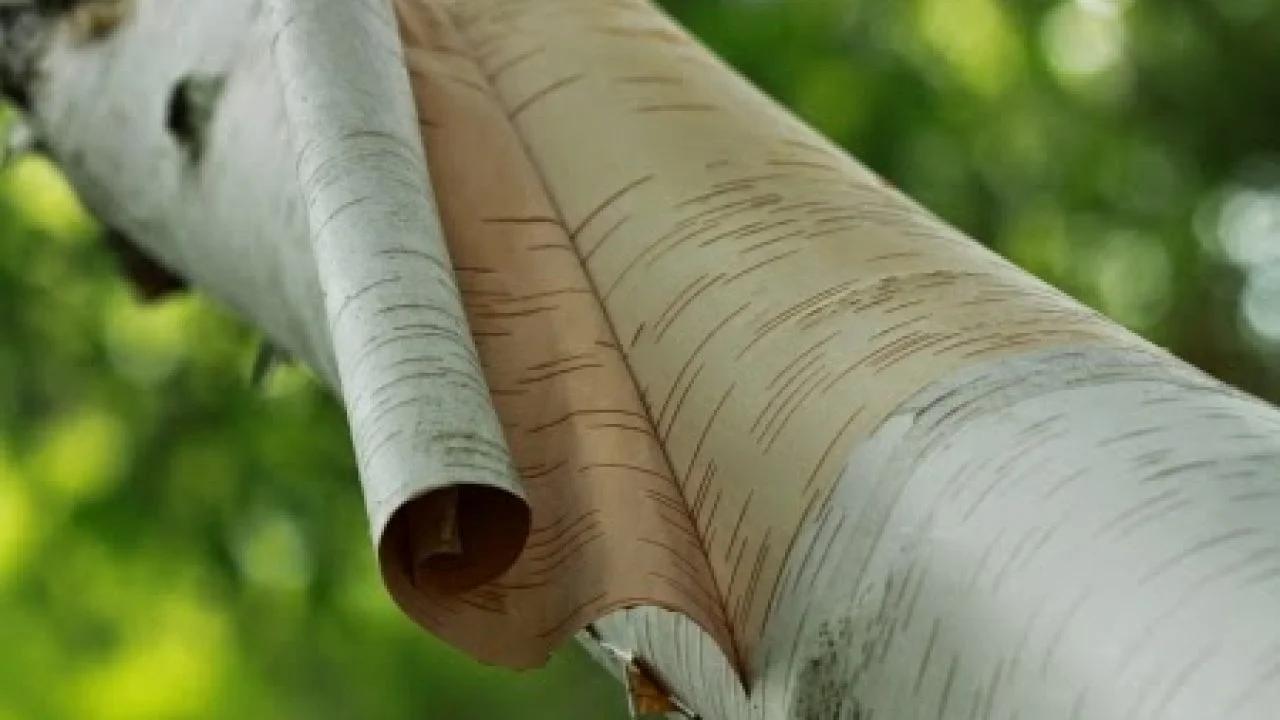
The manuscript recognised by UNESCO is a roughly 400-year-old birch-bark manuscript written in the Sharada script, preserved at the Bhandarkar Oriental Research Institute (BORI) in Pune. The Mahabharata also travelled far beyond India's borders, inspiring adaptations in Southeast Asian literature, theatre, dance and visual art.
Arthashastra: The ancient manual of power and political survival
Long before modern political science became an academic discipline, Kautilya's Arthashastra was examining the practical realities of governing a state. Written by Kautilya, also known as Chanakya or Vishnugupta, the Sanskrit text explores the art of governance, diplomacy, warfare, taxation.
It offers detailed insights into how rulers gathered information, monitored threats and navigated relationships with rival kingdoms. It even discusses subjects such as mining, metallurgy, the training of war elephants and horses, and the management of state resources.
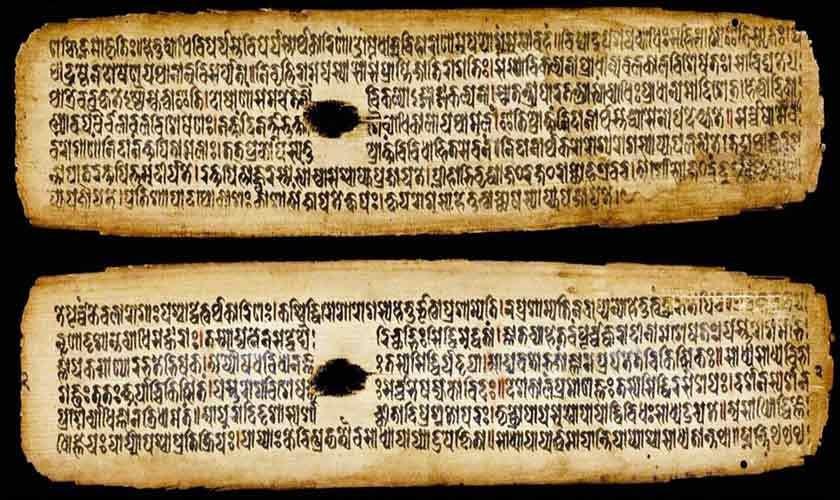
The manuscript recognised by UNESCO is a 16th-century palm-leaf manuscript written in the Grantha script and preserved at the Oriental Research Institute in Mysuru. Interestingly, the complete manuscript was discovered and brought into scholarly circulation by R. Shamasastry in the early 20th century, with its first publication appearing in 1909.
Before the printing press: When leaves became pages
Perhaps one of the most fascinating aspects of India's manuscript heritage is the process through which these texts were physically created.
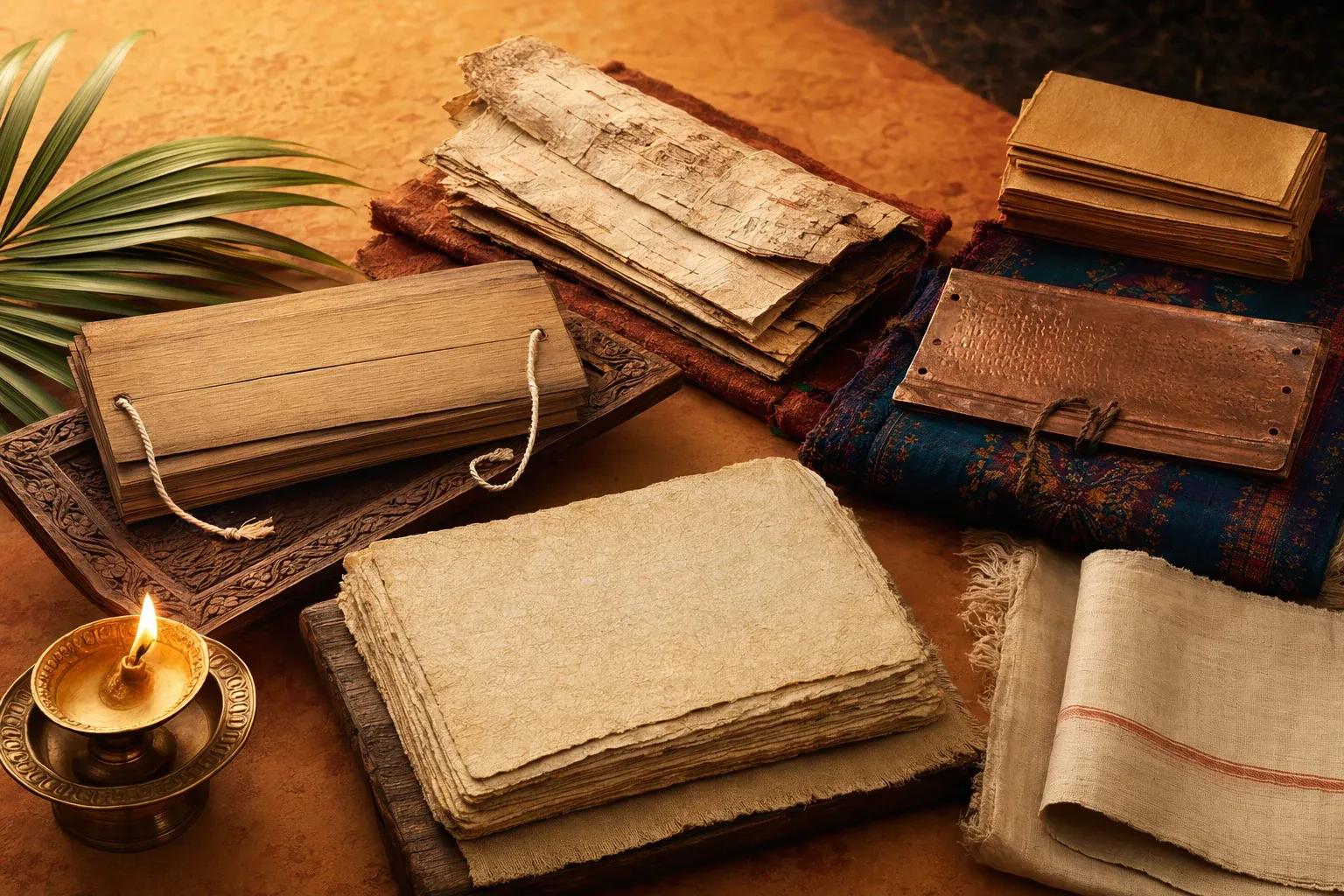
Before paper became widely used, palm leaves and birch bark served as important writing materials in different parts of the subcontinent. Palm leaves were particularly common in several southern and eastern regions, while birch bark, known as Bhojpatra, was used in Himalayan regions, including Kashmir.
The process of preparing a palm-leaf manuscript was itself an exercise in patience. Mature leaves were selected, cleaned, dried and sometimes boiled or treated to make them suitable for writing. They were then cut into uniform strips and polished to create a relatively smooth surface.
But here comes the interesting part, in many traditions, scribes did not actually write on palm leaves using ink. They used a pointed metal stylus to carefully engrave letters into the surface. Once the writing was complete, a dark mixture, often made using soot and oil, was rubbed over the leaf. The pigment settled into the engraved grooves, making the letters visible.
The leaves were then arranged in sequence, pierced with holes, tied together using cords and often protected with wooden covers. What we recognise today as a manuscript was, in many cases, essentially a carefully assembled bundle of leaves.
The race against time: How did these manuscripts survive?
Unlike stone inscriptions or monuments, manuscripts made from organic materials were fragile and could lead to environmental damage. Palm leaves and birch bark could deteriorate through exposure to moisture, excessive heat, insects and fungal growth.
So, this is where the role of generations of scribes becomes important.
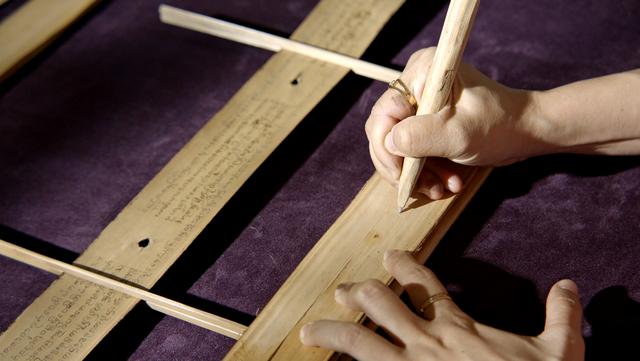
Before printing technology became widespread, texts were reproduced manually. A manuscript could be copied repeatedly, with each new generation of scribes creating another version for scholars, institutions or patrons. However, this process was not always flawless. A word could be misread, a line omitted or a passage altered during copying. Consequently, different surviving manuscripts of the same work can contain variations.
What we read today may have passed through the hands of several scribes, travelled between different regions and survived circumstances that could easily have destroyed it.
Preserving these documents, therefore, is not simply about protecting old paper or leaves. It is about protecting the historical journey of the knowledge recorded on them.
Why these ancient pages still matter
The importance of these manuscripts goes far beyond national pride or international recognition. They offer glimpses into how people in the subcontinent understood power, society, morality, governance and human behaviour back then.
At a time when much of our knowledge is stored digitally, the survival of these manuscripts also reminds us how easily recorded information can be lost if not protected and passed on. India's ancient manuscripts have survived not simply because they were written, but because generations of people believed they were worth preserving.