

New Delhi: Bangladesh will head to the polls, sans Awami League, on February 12 next year, for what is being described as the most consequential election in its recent history — one that could reshape not only the country’s political landscape but also the strategic environment of the entire eastern subcontinent. For India, whose security, connectivity and regional posture have long depended on a stable and cooperative Dhaka, the upcoming vote carries unusually high stakes.
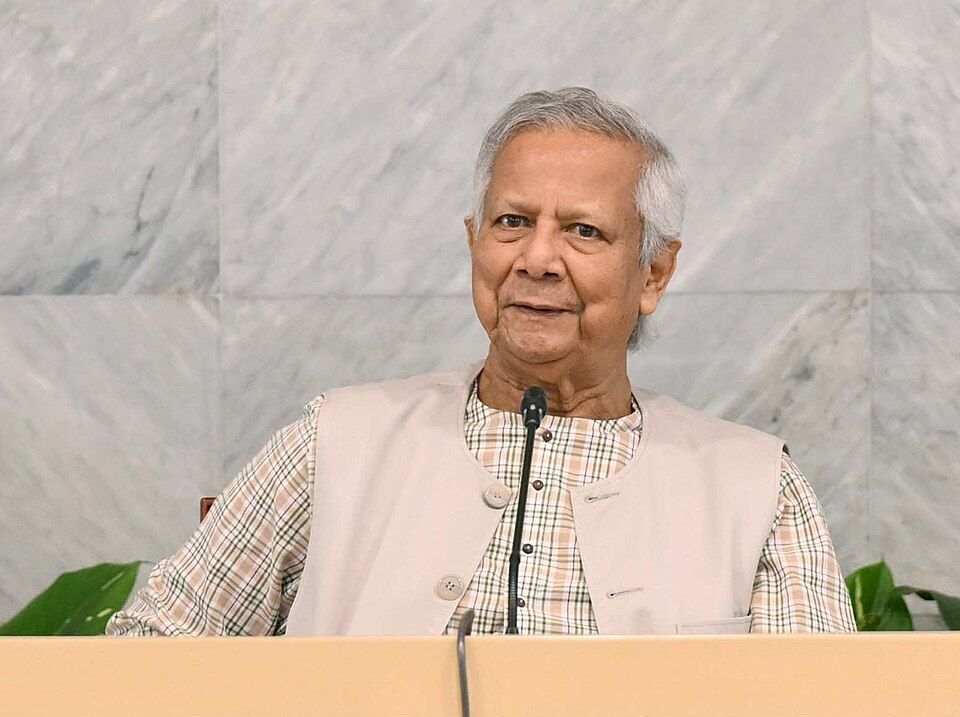
The interim government led by Muhammad Yunus has overseen a period of deteriorating bilateral ties, a shift toward China and Pakistan, and rising concerns over extremist revival and minority insecurity. Against this backdrop, Bangladesh’s first national election since the 2024 uprising will decide whether the current geopolitical drift continues or whether New Delhi can hope for a reset.
Chief Election Commissioner AMM Nasir Uddin announced the election schedule in a pre-recorded address on Thursday evening, inaugurating the country’s first-ever twin polls — the 13th National Parliamentary Election and the July Charter referendum. He confirmed that the deadline for filing nomination papers is December 29, while the campaign period will begin on January 22 and conclude on February 10 at 7:30 am. Voting across all 300 constituencies will be held in a single phase on February 12. “Voting will take place continuously from 7:30 am to 4:30 pm,” he said.
The Election Commission is preparing for one of the largest security operations in Bangladesh’s electoral history. About nine lakh personnel from the armed forces, police, and auxiliary agencies will be deployed nationwide — the highest number ever. The voter roll exceeds 12.76 crore, and more than three lakh Bangladeshis living overseas have registered to cast postal ballots.
Departure From Continuity
This election marks a departure from decades of political continuity because the country’s oldest party and longest-governing force, the Awami League, remains barred from participating. Its registration is suspended under the interim administration’s restrictions on political activity following the student-public uprising that toppled the Sheikh Hasina government on August 5 last year. An interim authority headed by Yunus — sworn in on August 8 — has since been tasked with overseeing stabilization and preparing the country for elections.
Yunus welcomed the Election Commission’s announcement and framed the upcoming vote as a foundational step for a transformed Bangladesh. Offering “heartfelt greetings and congratulations” to the Commission, the Chief Adviser declared, “With the announcement of this schedule, Bangladesh’s democratic journey has crossed an important milestone.” He added that the election and referendum would “further consolidate the foundation of a new Bangladesh”, and expressed confidence that the Commission would act “independently, impartially and with the utmost professionalism”.
He called on all political actors, civil society, and citizens to treat the election as “an initiative of national unity”, stressing that “respect for dissent, a peaceful environment, and democratic behaviour will make our days ahead more stable.” Yunus concluded by saying, “Bangladesh stands on the threshold of a new future today. It is my firm belief that through the active participation and responsible behaviour of all of you, we will succeed in building a modern, just and prosperous state.”
However, the electoral field remains uncertain. With Awami League unable to contest unless its suspension is reversed, the main players are expected to be BNP, Jamaat-e-Islami and National Citizens Party. None of them have historically maintained steady relations with India.
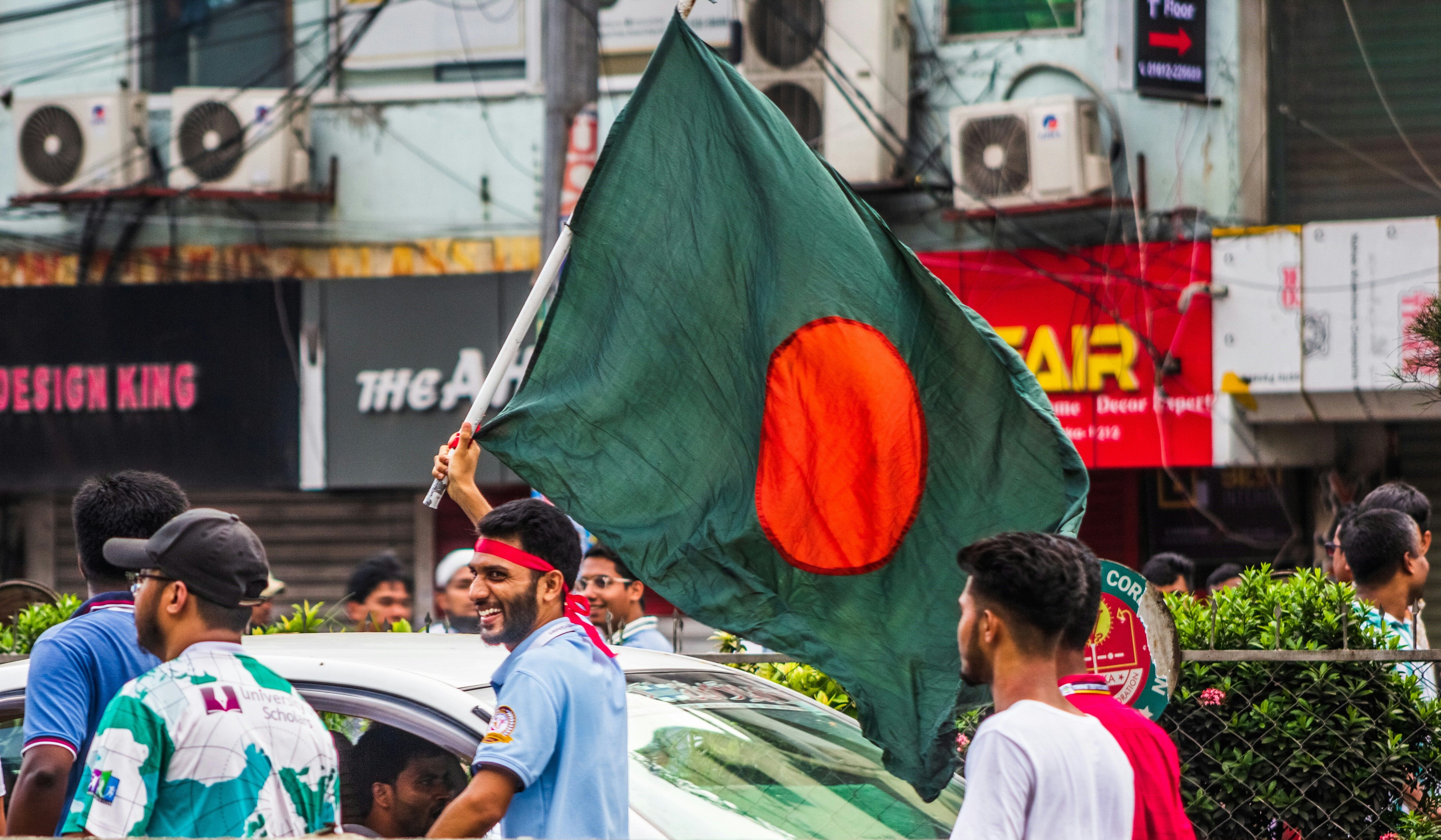
Under Sheikh Hasina, India and Bangladesh enjoyed "golden decade" of cooperation, marked by counter-insurgency coordination, intel-sharing and major connectivity projects. Much of that progress has stalled since the August 2024 uprising. (Photo by Bornil Amin on Unsplash)
Shifting Allegiance
Behind this optimistic framing, however, lies a more unsettled political reality and an increasingly complicated regional context. The fall of the Hasina government — which had maintained exceptionally close security and diplomatic cooperation with India — has triggered a drift in Dhaka’s foreign policy orientation. The Yunus administration has, in little over a year, shifted the country’s external posture in ways that have drawn concern in New Delhi.
Under Sheikh Hasina, India and Bangladesh enjoyed what analysts called a “golden decade” of cooperation, marked by counter-insurgency coordination, intelligence sharing and major connectivity projects. Much of that progress has stalled — and in some areas reversed — since the August 2024 uprising. The interim government has slowed key transit and infrastructure initiatives and signalled a desire to rebalance Dhaka’s foreign policy by moving away from New Delhi.
At the same time, the Yunus administration has deepened engagement with China, whose diplomatic and commercial footprint has grown rapidly. Bangladesh has also adopted a softer tone toward Pakistan, creating space for Islamabad to regain political influence. Indian security agencies are particularly alarmed by what they describe as a revival of ISI-linked networks in Bangladesh.
Concerns are further heightened by reports of increased attacks on minority Hindus, with communities alleging weak responses from the authorities. Analysts warn that these pressures carry potential cross-border consequences, including refugee flows.
For India, the February 2026 elections are therefore far more than a domestic contest next door. Its outcome will determine whether New Delhi must recalibrate its strategy toward a neighbour edging closer to China and Pakistan, reshaping regional security and diplomacy for years to come.