
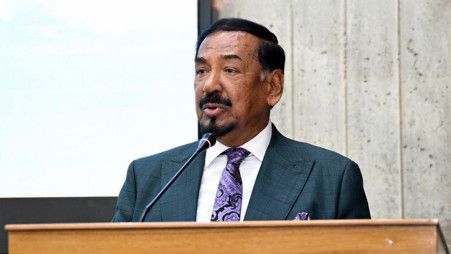

In a significant shift for the governance of Bangladesh, President Mohammed Shahabuddin has officially resigned from his post. The announcement, which surfaced early on July 25, 2026, marks the end of a pivotal tenure and signals a major transition within the country’s leadership structure. Following the resignation, constitutional protocols have been triggered to ensure the continuity of the state.
Health Concerns and the Presidential Exit
The primary driver behind President Shahabuddin’s departure appears to be personal. The President resigned citing "serious health concerns" that have reportedly hindered his ability to fulfill the demanding duties of the office. While specific medical details have not been disclosed, the move was described as a necessary step given the severity of his condition.
According to reports, the resignation was formalized today, bringing an immediate end to his presidency. The departure of a sitting president due to ill health is a rare occurrence in the region, and it has prompted immediate discussions regarding the stability of the executive branch during this period of transition.
Speaker Hafiz Uddin Ahmed Assumes Duties
To prevent a power vacuum, the parliamentary framework of Bangladesh has moved swiftly to fill the vacancy. Bangladesh Speaker Hafiz Uddin Ahmed has taken charge as the acting President. This transition follows the established legal order where the Speaker of the Parliament assumes the roles and responsibilities of the presidency in the event of a resignation or incapacity.
The Speaker assumed his new duties shortly after the formal resignation was processed. As acting President, Ahmed will oversee the executive functions of the state. Details regarding the duration of this interim arrangement or the timeline for a formal presidential election have not been reported yet, as the government focuses on the immediate handover of administrative powers.
Implications for Political Stability
The sudden change at the top of the state hierarchy comes at a time when Bangladesh’s evolving power structure is under close observation. The resignation of Mohammed Shahabuddin is more than a personal health matter; it represents a test of the country's institutional resilience.
Journalistic analysis suggests that the smooth transition to Speaker Hafiz Uddin Ahmed is intended to project a sense of stability to both domestic stakeholders and the international community. However, the move raises questions about the future direction of the administration. As acting President, Ahmed will be tasked with navigating the country through this sensitive period, ensuring that the transition does not disrupt ongoing legislative or diplomatic efforts.