


The surge was fuelled by pent-up demand, festive enthusiasm, and the excitement of lower prices.
New Delhi: For the auto industry, October 2025 will go down in its calendar as a month in which tax reform, festivity and rural resurgence came together to create history.
According to the latest data released by the Federation of Automobile Dealers Associations (FADA), the auto retail sector notched its best-ever performance, with overall vehicle sales soaring 40.5% year-on-year — a milestone that signals renewed consumer confidence and the tangible impact of policy reform on the ground.
The first half of the month was deceptively quiet. For nearly three weeks, the industry seemed to be catching its breath, adjusting to the complexities of GST 2.0, the government’s new tax framework under its ‘Simpler Tax, Stronger Growth’ banner. But as the system stabilised, what followed was nothing short of a sales sprint — a surge fuelled by pent-up demand, festive enthusiasm, and the excitement of lower prices.
“It was like a relay race,” one dealer quipped. “The baton passed from tax transition to festive fever, and then to consumer euphoria.”
The result was historic. Passenger vehicle sales crossed 5.57 lakh units, breaching the five-lakh mark for the first time in India’s auto retail history. Two-wheelers, often seen as the barometer of rural demand, rose by an astonishing 52%, logging their highest-ever monthly growth. Showrooms that had seen subdued footfalls in September reported queues, advance bookings, and a flurry of first-time buyers eager to take advantage of the new tax rates.
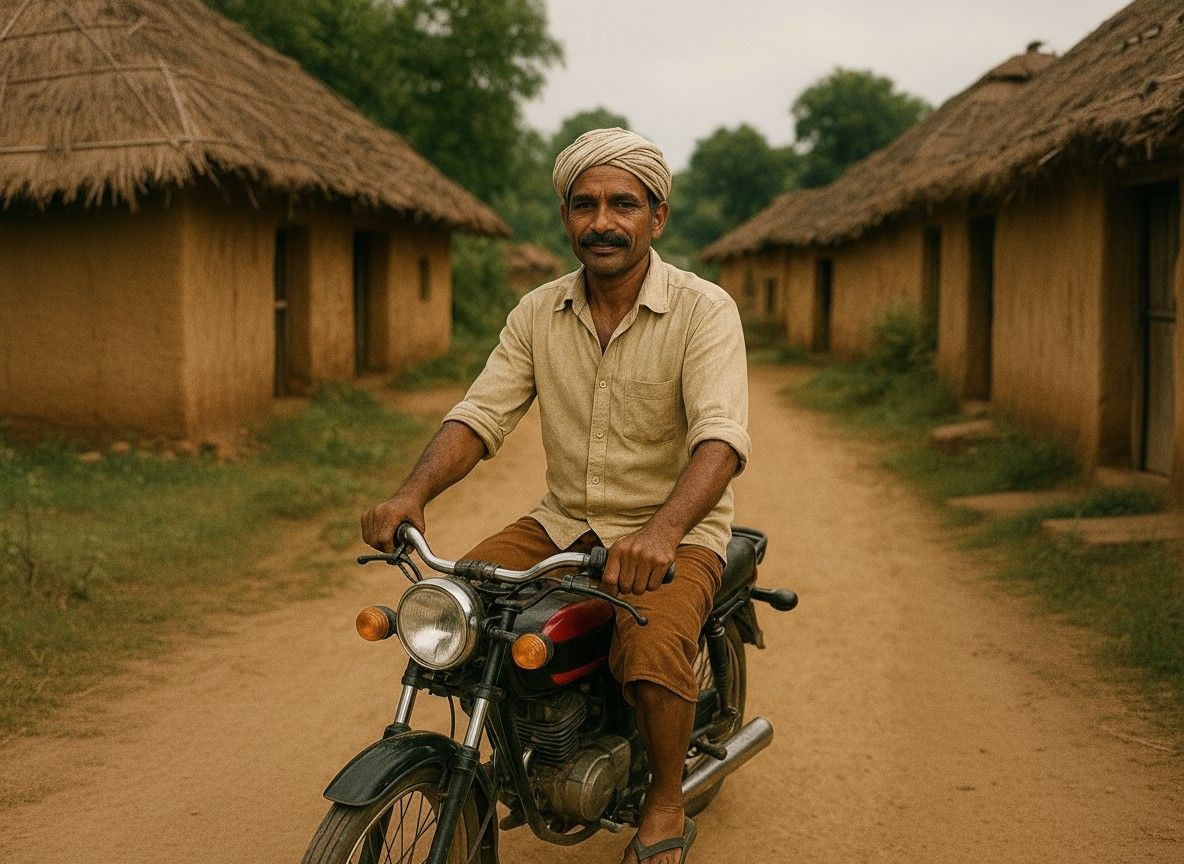
Two-wheelers, often seen as the barometer of rural demand, rose by an astonishing 52%, logging their highest-ever monthly growth
Commercial vehicles, too, recorded healthy growth of 18%, driven by a revival in freight movement and infrastructure projects. Even tractors saw a 14% uptick, underscoring the strength of India’s agricultural and semi-rural economy. The only weak note came from the construction equipment segment, which fell 30% due to project delays and financing hurdles.
At the heart of this retail resurgence was the GST 2.0 reform, which lowered tax rates for small cars and entry-level vehicles, effectively making ownership more affordable for India’s aspiring middle class and first-time rural buyers. The timing couldn’t have been more perfect: as festival lights illuminated towns and villages, affordability met aspiration in showrooms across the country.
Robust rural demand
But perhaps the most remarkable story of October 2025 was the sales surge in rural India. FADA’s data showed that rural passenger vehicle sales grew three times faster than in urban markets, while rural two-wheeler sales nearly doubled urban growth rates. With good monsoons, stronger farm incomes, and a steady infrastructure push, rural India became the true growth engine of the sector. Dealers in Tier-III towns and beyond described a “palpable sense of optimism”, a sentiment reflected not just in numbers, but in the conversations at the dealership floors.
As the month gave way to the 42-day festive stretch, an unusually packed period this year with Dussehra and Diwali falling in the same month, the euphoria continued. FADA president CSVigneshwar called it a “defining milestone” for India’s auto retail, as overall festive sales rose 21% year-on-year, setting new highs across categories. “This season’s success reaffirms that GST 2.0 is not just a tax simplification,” he said, “but a catalyst for consumer-led growth and national prosperity.”
Passenger vehicles recorded a 23% jump during the festive window, while two-wheelers surged 22%. Dealers reported record enquiries, strong conversions, and customers advancing purchases to capitalise on reduced GST rates and festive offers. Commercial vehicles and tractors, too, rode the wave, supported by the government’s Viksit Bharat development agenda.
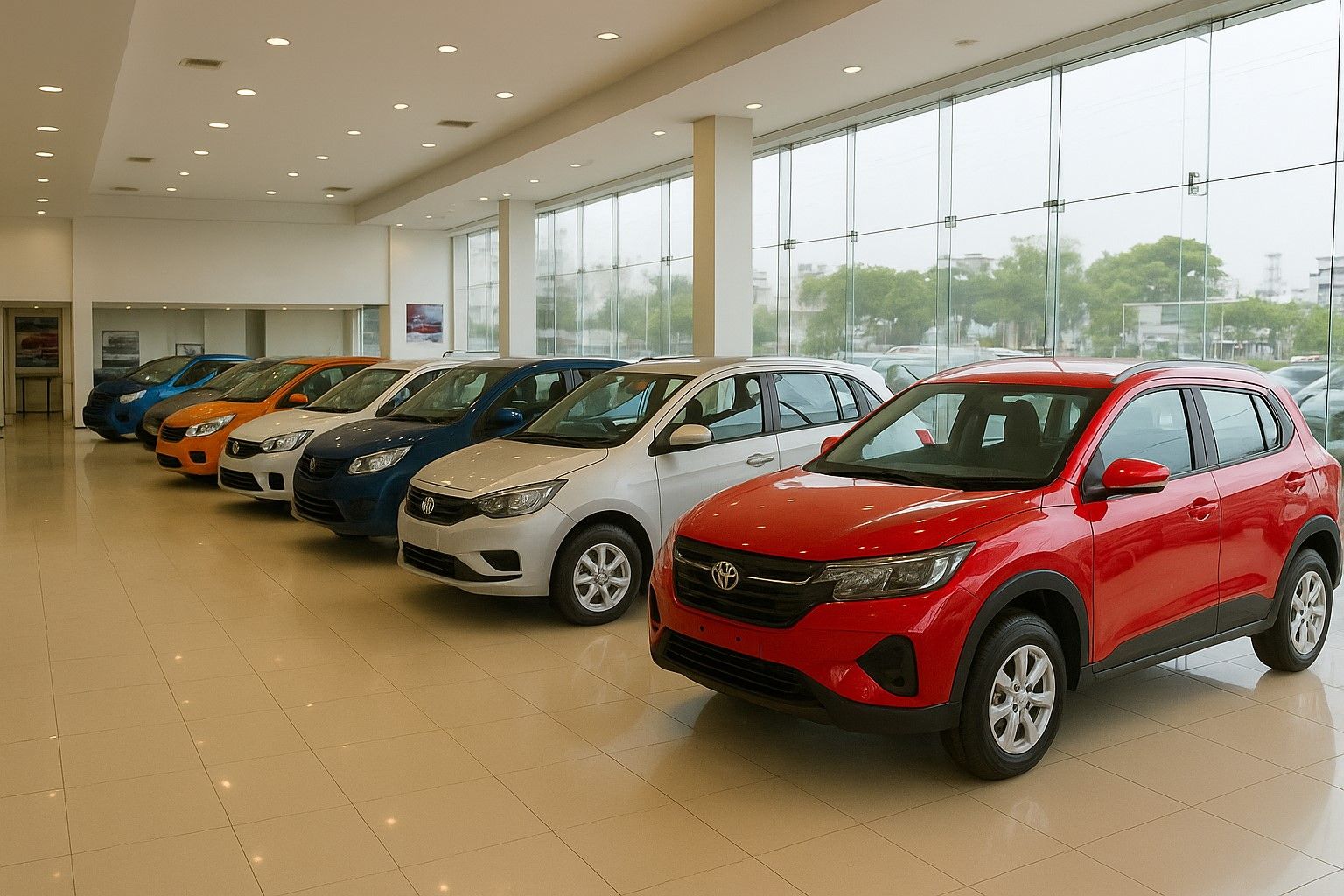
As the industry now looks ahead, the tone is one of measured optimism. FADA’s dealer survey suggests that nearly two-thirds of dealers expect growth to continue through November and into early 2026, supported by strong rural liquidity, marriage season demand, and better stock availability. The combination of new model launches, stable fuel prices, and improved financing conditions is expected to keep the wheels turning.
Still, industry veterans are tempering their excitement with realism. After a record-breaking October, a slight moderation is natural. Yet, few doubt that the structural changes brought by GST 2.0 have reset the playing field, making vehicle ownership more accessible, broadening the consumer base, and infusing long-term resilience into the market.