
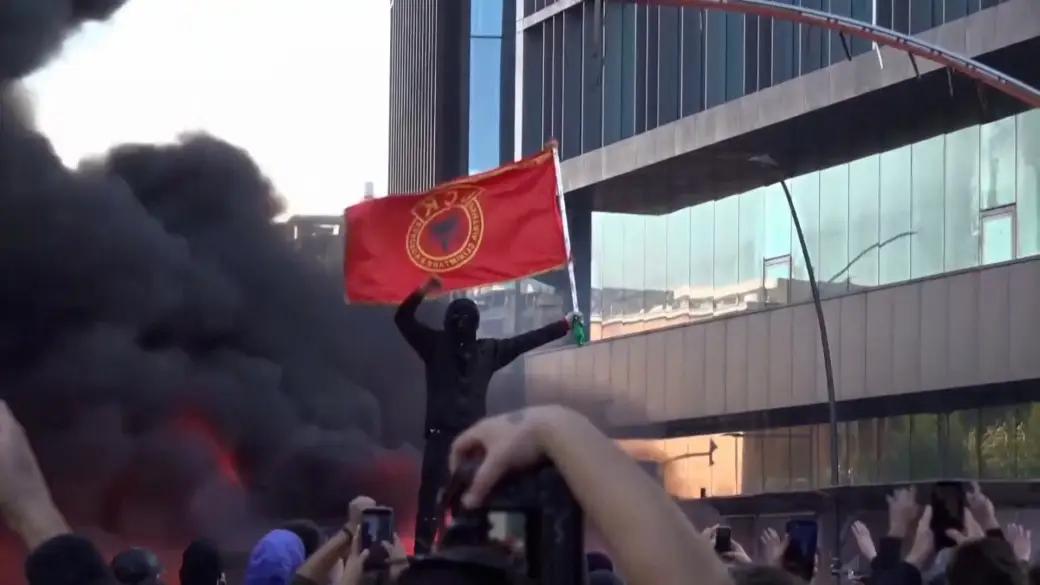

Unrest in Albania's capital, Tirana, has escalated significantly as anti-government and student-led protests entered their third consecutive day on 16 October. The demonstrations, driven by mounting anger over education costs, corruption allegations, and a controversial luxury tourism project linked to Donald Trump’s son-in-law, Jared Kushner, have put intense political pressure on Prime Minister Edi Rama.
The Catalyst: Corruption and Development Frustrations
The ongoing demonstrations have rapidly evolved from grievances over education costs into a broader anti-government movement. Protesters took to the streets of Tirana to voice their fury over alleged corruption. According to reports, the demonstrations have also been heavily sparked by a Kushner-linked development project, swelling the crowds over three days of intense street actions.
Clashes in the Capital and Rama's Defiance
As the protests entered their third day, tensions boiled over into physical confrontations. Demonstrators hurled rocks and fireworks toward government structures, leading security forces to respond with tear gas and water cannons to disperse the crowds.
Despite the mounting pressure and violent clashes, Prime Minister Edi Rama has remained steadfast. As per reports, Rama has firmly rejected calls to resign. The Prime Minister publicly maintained that governments change exclusively through the ballot box via elections, rather than through revolutionary street actions, while also pushing back against the movement.
Broader Political Fallout
The situation on the ground remains volatile as civic friction deepens. Rama has publicly accused his political opponents of deliberately inciting the violence that has gripped Tirana for three consecutive days. With student groups and anti-government demonstrators refusing to back down, the political standoff in Albania continues to test the administration's stability.