
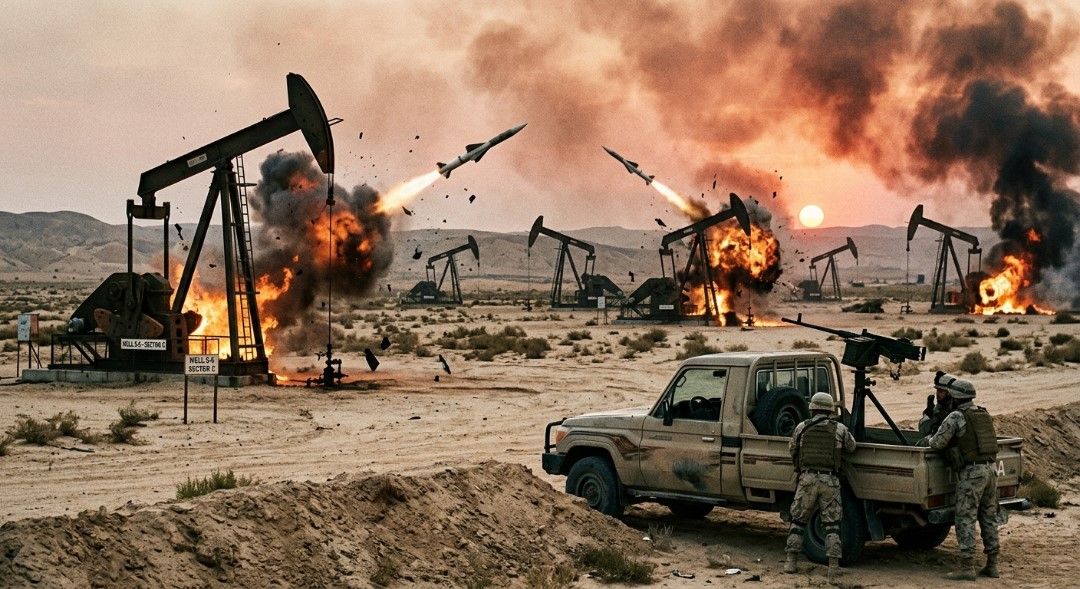

New Delhi: The global oil market has entered its most dangerous phase since the Gulf War era, with commercial and strategic stockpiles being drained at a pace that energy economists now describe as historically alarming. The war involving Iran, coupled with prolonged disruption across the Strait of Hormuz, has fractured one of the world’s most critical energy arteries and triggered an aggressive depletion of crude inventories across Asia, Europe and North America.
The International Energy Agency estimates that nearly 15 million barrels per day ordinarily pass through the Strait of Hormuz, accounting for roughly one-third of globally traded crude. Since the escalation of the conflict, those flows have fallen dramatically, with some estimates placing March transit volumes near just 2 million barrels per day.
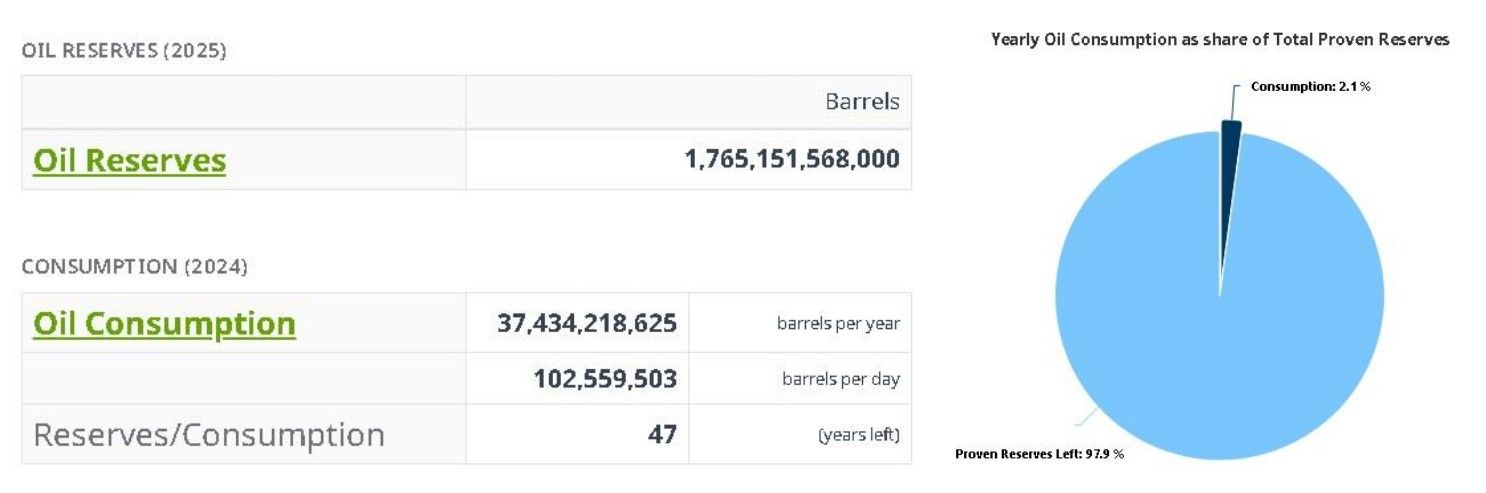
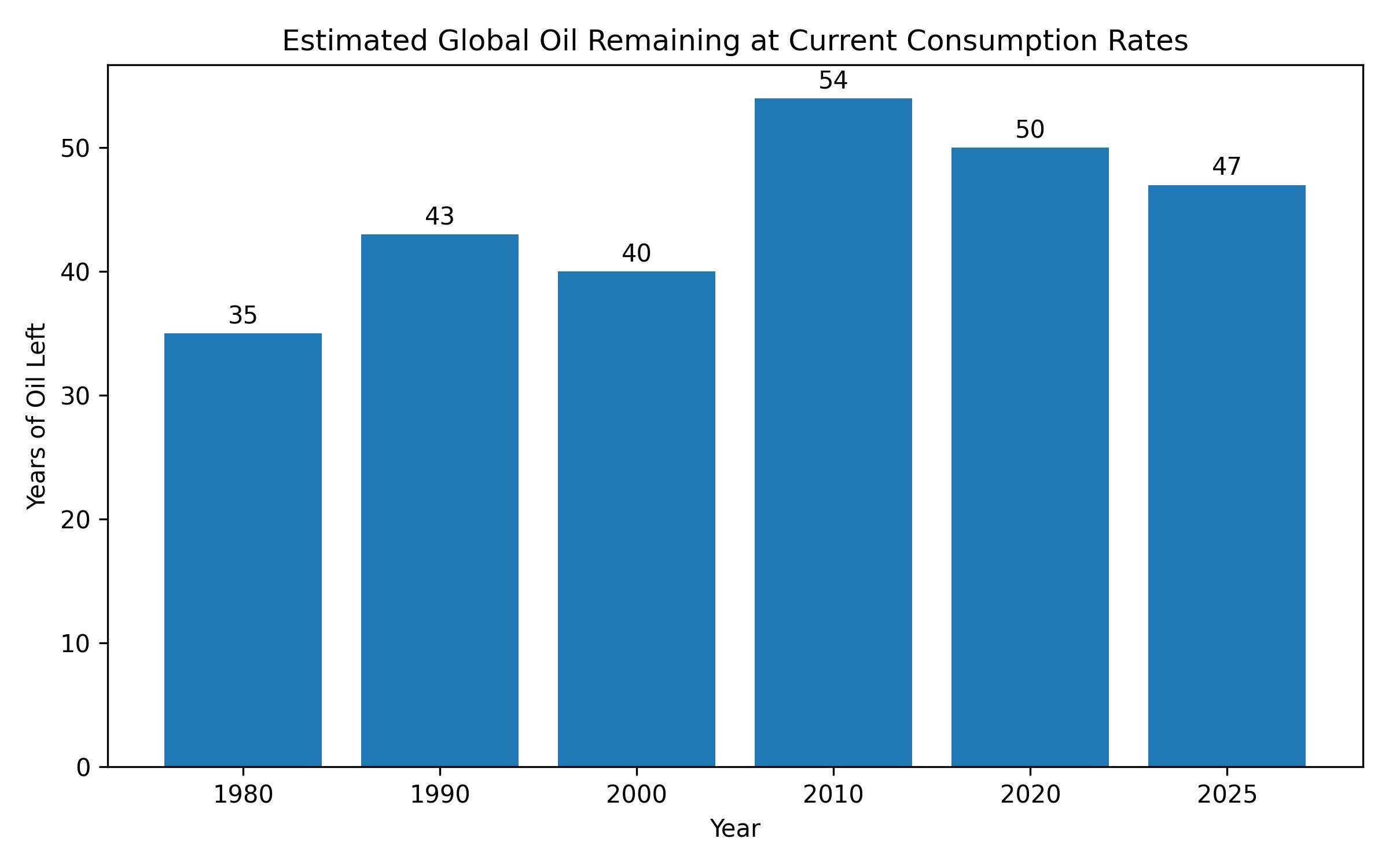
The consequences are now visible in global inventory data. Goldman Sachs warned this week that worldwide oil stocks have fallen to the equivalent of 101 days of global demand and could slide to 98 days before the end of May, approaching the lowest levels seen in almost eight years. The bank cautioned that the “speed of depletion” itself has become a serious threat to energy stability.
The International Energy Agency has already authorised the largest coordinated emergency stock release in its history, approving the release of 400 million barrels from strategic reserves in March.
Yet analysts increasingly believe those measures are buying time rather than restoring balance.
IEA Executive Director Fatih Birol warned at the Canada Growth Summit in Toronto on May 7, that energy markets were heading into “troubled waters” because of the continuing disruption of millions of barrels of daily supply. Earlier in April, Birol described the present turmoil as worse than the combined shocks of 1973, 1979 and 2022.
The scale of the disruption is unprecedented in modern energy trading. Reuters calculations based on IEA data suggest that the current crisis has removed more than 12 million barrels per day from global supply chains, surpassing the peak disruption levels recorded during the Arab oil embargo and the Iranian Revolution.
Markets Fear Structural Breakdown
What now worries commodity traders is not merely the shortage of crude itself, but the growing dysfunction within the refined fuel market. Inventories of jet fuel (ATF), naphtha and liquefied petroleum gas (LPG) have plunged sharply as shipping disruptions, refinery bottlenecks and insurance costs combine to squeeze downstream supply chains.
A recent Goldman Sachs assessment noted that naphtha inventories in Fujairah and north-west Europe have fallen precipitously, while aviation fuel reserves in Europe may approach critically low levels by June if maritime flows fail to normalise quickly.
The immediate economic effects are already visible across major importing nations. China’s crude imports dropped 20% year-on-year in April, the weakest level since mid-2022, as tanker movement through the Gulf corridor slowed dramatically. Beijing has simultaneously curtailed refined fuel exports to preserve domestic supply security.
Meanwhile, benchmark Brent crude has repeatedly breached the psychologically important $100-per-barrel threshold. In late March, prices recorded their sharpest monthly rise on record, climbing more than 50% amid fears that the Strait of Hormuz could remain effectively paralysed for months.
The economic implications extend far beyond energy markets. The US Energy Information Administration now expects global oil demand growth to halve this year as governments impose fuel-saving measures and industries cut consumption in response to elevated prices.)
International Monetary Fund Managing Director Kristalina Georgieva warned during the IMF spring meetings in Washington in April that sustained energy inflation could become “a destabilising force for fragile economies already carrying high debt burdens”. While she stopped short of forecasting recession, IMF officials privately acknowledge that a prolonged supply shock could derail global growth forecasts for 2026.
Political analysts argue that the crisis also reflects a deeper strategic failure within the international energy system. Helima Croft, Head of Global Commodity Strategy at RBC Capital Markets, observed during a panel discussion in New York in May, that governments had underestimated the geopolitical vulnerability of concentrated maritime energy routes. She remarked that “markets built efficiency into supply chains but neglected resilience”, a failure now exposing industrial economies to cascading shortages.
Crisis Becoming Economic Reckoning
The energy shock triggered by the Iran conflict is rapidly evolving into a broader geopolitical reckoning. The war has accelerated fragmentation within OPEC, intensified competition for alternative supply routes and revived debates around strategic petroleum reserves that many governments had gradually reduced after the pandemic years.
The unexpected decision by the United Arab Emirates to move out of the OPEC this month highlighted increasing tensions within the oil producers’ coalition. Abu Dhabi is seeking greater autonomy to raise production and secure export flexibility beyond Hormuz-linked routes.
At the same time, consuming nations are scrambling to redesign energy security policies that were built around assumptions of uninterrupted globalisation. Energy ministries across Europe and Asia are now reconsidering stockpile thresholds, shipping dependencies and emergency allocation systems that had not been seriously stress-tested for decades.
In Washington, President Donald Trump stated during a White House briefing on May 5 that the United States would “do whatever is necessary to keep energy flowing and prices under control”. Yet even American policymakers privately concede that strategic reserves cannot indefinitely compensate for a sustained Gulf supply disruption.
A more concerning indication for the markets is that stockpiles are still declining even after strong corrective measures were taken. Industry estimates cited by analysts show that visible global oil inventories have already declined by roughly 255 million barrels since the beginning of the conflict.
That depletion rate matters because inventories are the final shock absorbers of the global economy. Once commercial and strategic reserves tighten simultaneously, price volatility tends to become more violent, industrial planning more uncertain and inflationary pressures more persistent.
The world is therefore confronting more than a temporary oil spike. It is facing a structural test of whether modern economies can withstand prolonged disruption to a single maritime corridor that remains indispensable to global commerce. For now, the answer from the markets appears increasingly uneasy.