

New Delhi: India has sharply increased crude purchases from Russia in March as the escalating conflict around the Strait of Hormuz continues to disrupt tanker traffic and choke supplies from the Middle East. This strategy has, for now, helped keep domestic retail oil prices “under control”. For how long? That’s the big question now.
Ship-tracking data indicate that Russian crude arrivals into India have risen to about 1.5 million barrels per day (mbd) in the first half of March, up from roughly 1.04 mbd in February, representing a surge of around 45-50%.
The shift comes amid an unprecedented disruption in global energy flows following the outbreak of war between Iran and a US-Israel coalition on February 28, which has severely restricted shipping through the narrow maritime chokepoint linking the Persian Gulf to global markets. The Strait typically handles nearly 20% of the world’s seaborne oil shipments and is responsible for moving about 16 million barrels per day of petroleum products under normal conditions.
India’s continued imports of discounted crude from Russia have helped cushion the impact of global price swings on domestic petrol and diesel rates by lowering the overall cost of crude for refiners. However, this benefit has been less visible in the pricing of domestic gas because India still relies heavily on imported LPG, much of which is sourced from producers in the Middle East. As a result, disruptions in that region tend to affect LPG prices more directly than petrol and diesel.
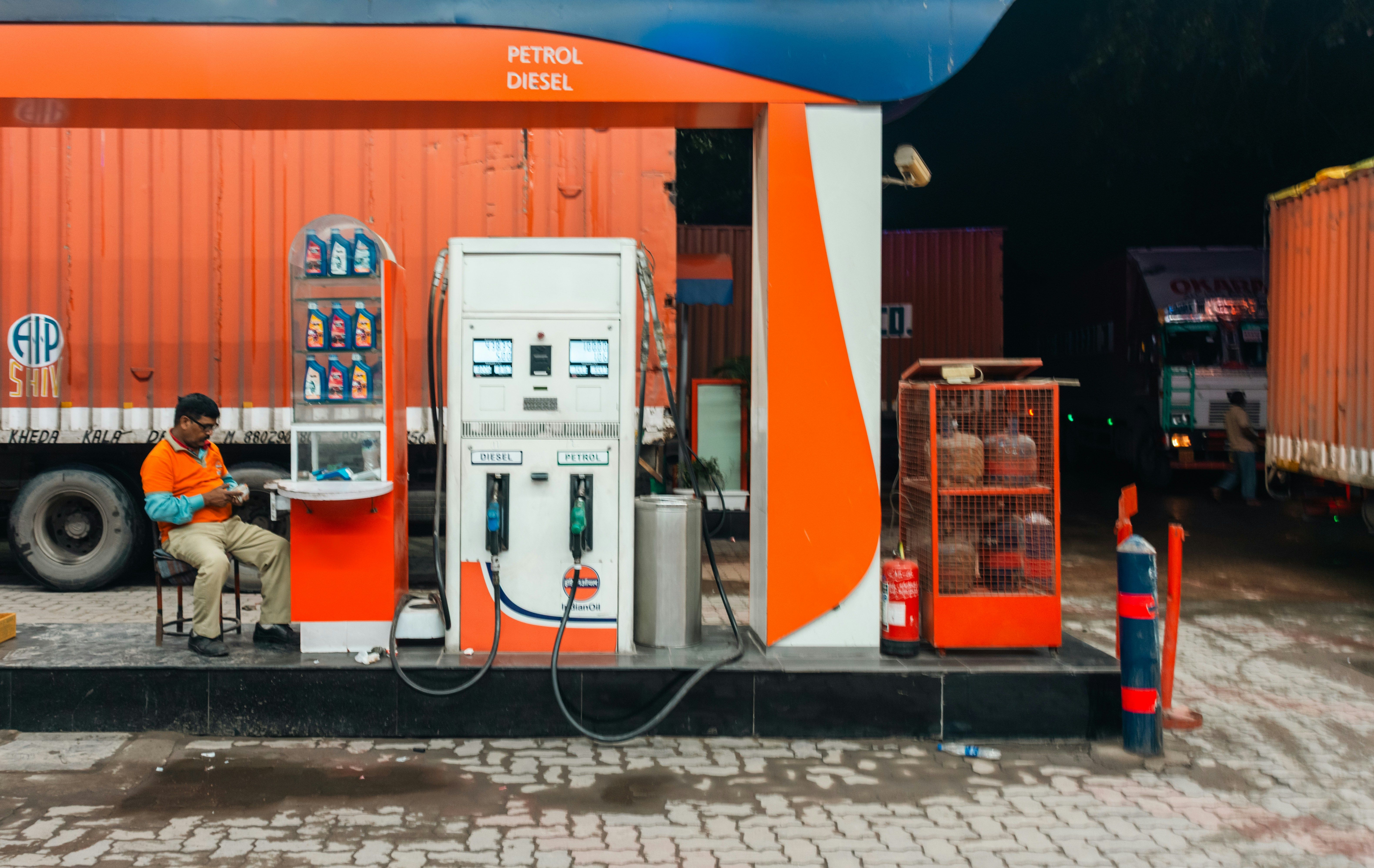
Retail fuel prices in India have remained broadly steady in recent weeks despite fluctuations in global crude markets driven by the ongoing geopolitical tensions. Petrol and diesel rates have not undergone immediate revisions, with petrol in Delhi staying near ₹94.77 per litre and diesel around ₹87.67 per litre. However, continued volatility in international crude prices could eventually place upward pressure on domestic fuel rates.
LPG prices, however, have moved up. Oil marketing companies raised the price of a 14.2-kg domestic cooking gas cylinder by about ₹60 in March 2026, pushing the cost in Delhi to roughly ₹913. Commercial LPG cylinders used by restaurants and businesses have also become more expensive, reflecting higher import costs and supply concerns.
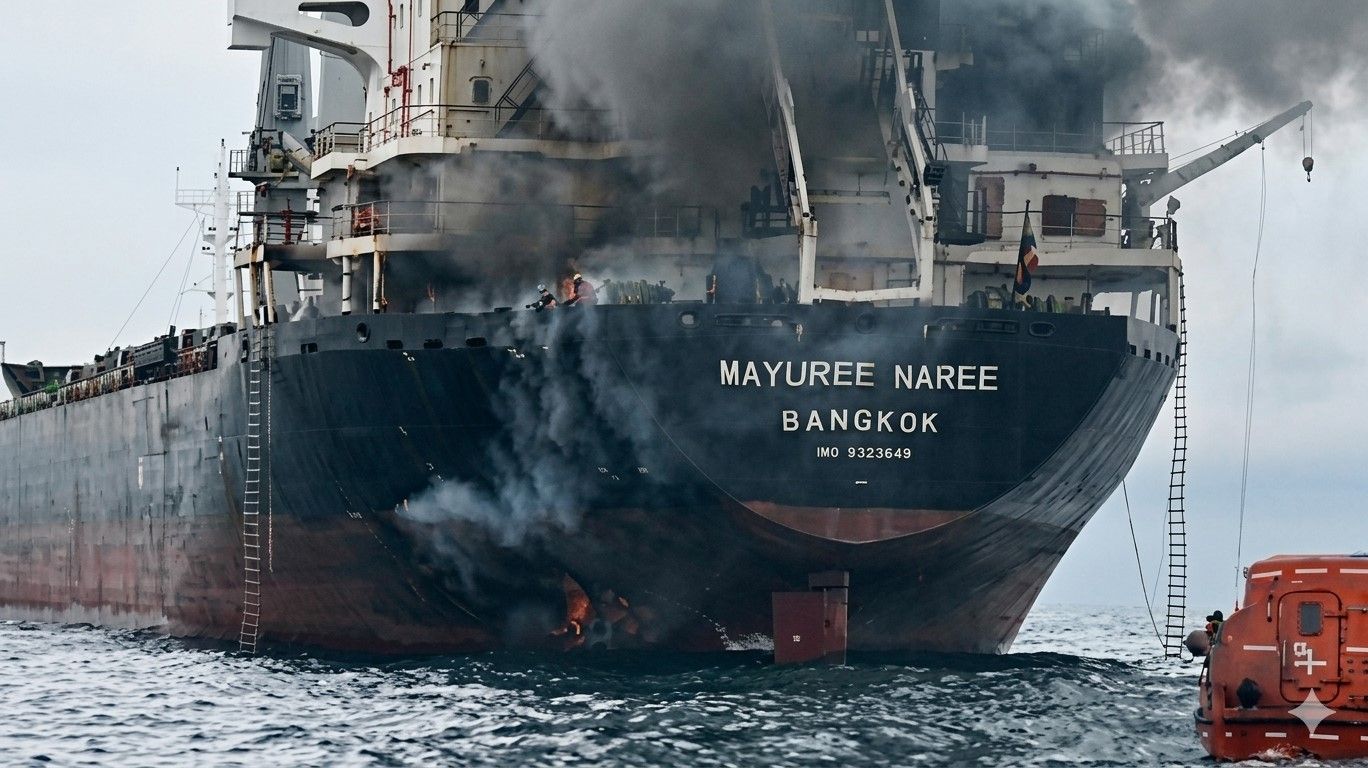
On March 11, three merchant ships were struck by projectiles in the Gulf near the strait. Another vessel sustained damage during the same incident.
Security conditions in the region deteriorated further this week after a series of attacks on commercial vessels. On March 11, three merchant ships — including the Thai-flagged bulk carrier Mayuree Naree and the Japanese container ship ONE Majesty — were struck by projectiles in the Gulf near the strait. Another vessel, Star Gwyneth, sustained damage during the same incident. The attacks were followed by additional strikes and explosions involving multiple vessels between March 11 and March 12, pushing oil prices above $100 per barrel at one stage as the market reacted to the rising risks to shipping lanes.
Meanwhile, Iran’s newly appointed Supreme Leader, Mojtaba Khamenei, issued his first public remarks on Thursday, declaring that the Strait of Hormuz “should remain closed” as a strategic measure against the United States. He also indicated that military actions targeting neighbouring countries in the Middle East would persist.
He further cautioned that American military installations in the region could come under attack if they continue operating. “I recommend that they close those bases as soon as possible, because they must have realized by now that the claim of establishing security and peace by America was nothing more than a lie,” he said.
Energy analysts say the mounting security threats have effectively halted or drastically reduced tanker movements through the chokepoint, forcing Asian importers to scramble for alternative supplies. India, the world’s third-largest oil consumer, has been among the most exposed because a large share of its crude imports normally originates from Gulf producers such as Saudi Arabia, Iraq and the United Arab Emirates.
According to tanker-tracking data cited in industry reports, India’s overall crude imports have already declined from roughly 5.2 mbd in February to around 4.5 mbd in March as shipments from the Middle East slowed sharply. Russian cargoes have filled much of that gap as refiners rapidly adjusted procurement strategies.
India currently consumes about 5.8 mbd of crude oil and relies on imports for nearly 88% of that demand, making the stability of maritime supply routes critical for the country’s energy security. A significant portion — about 2.5-2.7 mbd — normally transits through the Strait of Hormuz, exposing the country to geopolitical disruptions in the Gulf region.
In a market update released this week, commodity analytics firm Kpler said ship-tracking data indicates strong inflows of Russian cargoes headed toward Indian ports. Sumit Ritolia, lead analyst at Kpler, noted in the firm’s commentary that the surge reflects both supply disruptions in the Middle East and increased availability of Russian barrels in Asian markets. “Based on vessel tracking and credible market sources, incremental Russian crude imports in March could reach around 1-1.2 mbd above February levels,” he said in the update.
The increased flows have also been aided by a temporary policy relaxation from Washington. The US Treasury recently issued a 30-day waiver allowing Indian refiners to receive Russian crude cargoes that had already been loaded before March 5, providing short-term relief to refiners struggling to replace Middle Eastern supplies.
Despite the logistical adjustments, energy market volatility remains elevated. Analysts at Goldman Sachs warned in a recent market outlook that the prolonged disruption of Hormuz shipping could continue to push global crude prices higher if flows remain restricted for several weeks. The investment bank has raised its forecast for Brent crude prices for later this year amid expectations of sustained supply disruptions and strategic petroleum reserve releases.
Meanwhile, diplomatic efforts are underway to stabilize shipping routes. According to officials cited in recent reports, Iran has signalled that it will allow Indian-flagged oil tankers to transit the Strait of Hormuz under certain conditions, with the first such tanker already reaching India after crossing the conflict-affected waters.
For India, the crisis has accelerated a strategic shift in crude procurement. Government officials said New Delhi has already diverted a larger share of its oil imports toward alternative routes and suppliers, with roughly 70% of shipments now bypassing the Hormuz corridor compared with about 55% previously.
Energy economists say the crisis is likely to reshape global oil trade patterns if the conflict persists. The availability of discounted Russian crude and India’s ability to adjust its refinery feedstock mix have helped cushion the immediate supply shock. However, analysts warn that prolonged instability in the Gulf could still tighten global supply chains and drive higher energy costs across Asia in the coming months.
(Cover photo by Zoshua Colah on Unsplash)