
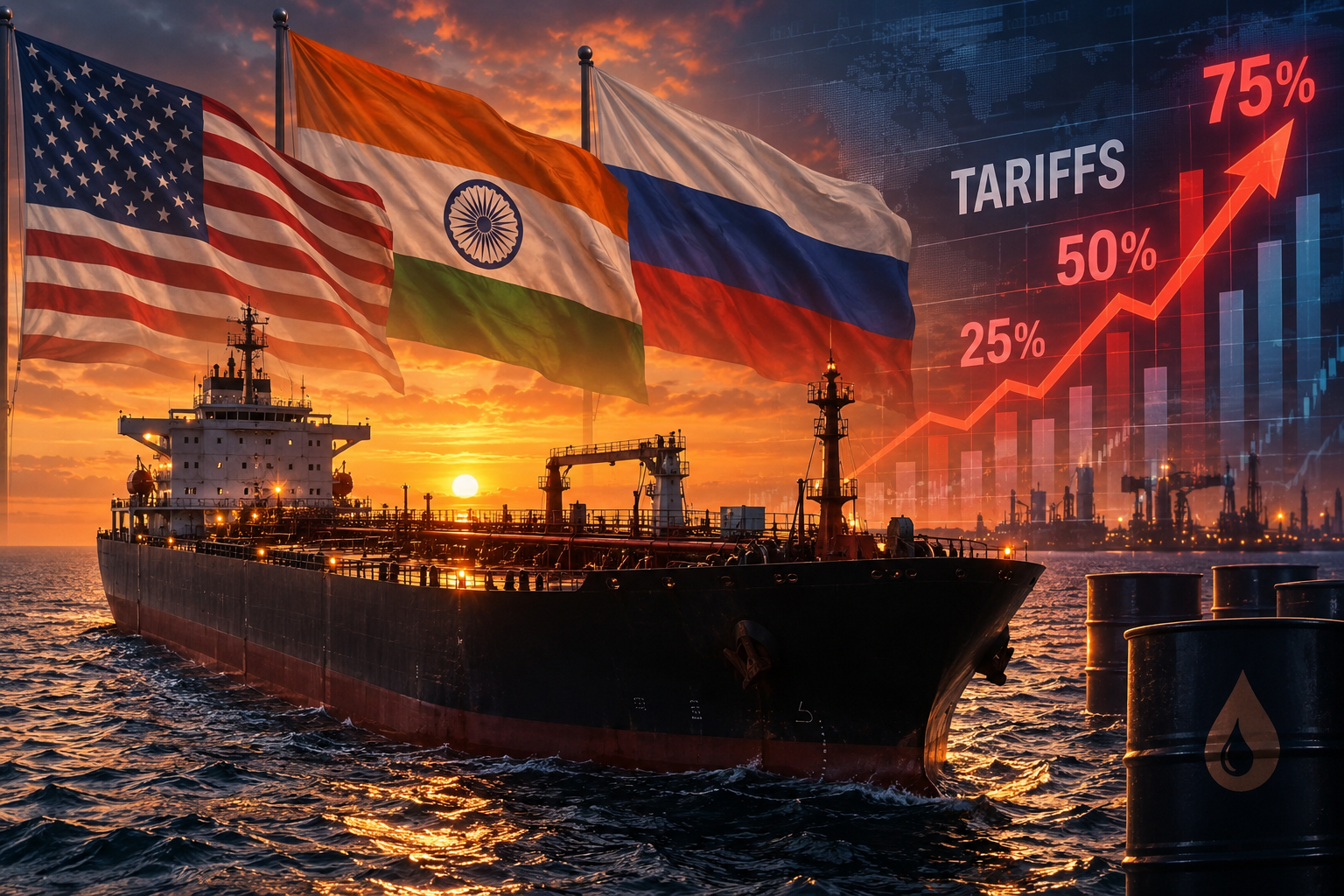

As of July 16, 2026, the global energy market is bracing for a significant shift as U.S. lawmakers advance a high-stakes legislative package aimed at severing the financial lifelines of the Russian economy. The proposed bill, which has gained momentum in the Senate, seeks to impose steep import tariffs on countries that continue to purchase Russian oil, a move that could have profound implications for major emerging economies like India and China.
The Legislative Push and the Graham Legacy
The current legislative push follows the death of Senator Lindsey Graham, whose namesake sanctions bill is now being fast-tracked through the Senate. The U.S. Senate is actively pushing the Russia sanctions bill as a tribute to and continuation of Graham's hardline foreign policy.
This legislation is not merely a symbolic gesture; it carries heavy economic weight. The bill has received backing from Donald Trump and includes provisions for tariffs that could reach a staggering 500% on trade involving Russian oil. While the primary goal is to target the Russian energy sector, the collateral impact on global trade partners is the central point of contention in Washington this week.
India and China in the Firing Line
India and China, two of the world's largest consumers of energy, find themselves at the center of this legislative storm. The Senate bill specifically targets five major buyers of Russian oil, with India and China topping the list. The proposed measures include a baseline 100% tariff on energy goods originating from or processed using Russian crude.
However, there is some internal debate regarding the severity of these measures. Some versions of the sanctions bill have attempted to ease the immediate threat of tariffs on China and India to avoid a total collapse of diplomatic relations. Despite these moderate voices, The "new tariff threat" remains a primary tool for U.S. lawmakers looking to exert pressure on nations that have maintained their energy ties with Moscow despite ongoing international sanctions.
Geopolitical Fallout and Trade Relations
The timing of this bill is particularly sensitive for Indo-US relations. According to reports, India is directly in the "firing line," as the proposed 500% tariff could make the import of Russian crude economically unviable. This comes at a time when the diplomatic bond between New Delhi and Moscow appears resilient, Prime Minister Modi and President Putin have continued to affirm their "special relationship."
If the bill passes in its current form, it would force countries like India to make a binary choice between discounted Russian energy and access to the American market. For now, the global trade community is watching the Senate closely to see if the final version of the bill maintains these aggressive percentages or opts for a more calibrated approach to secondary sanctions.