
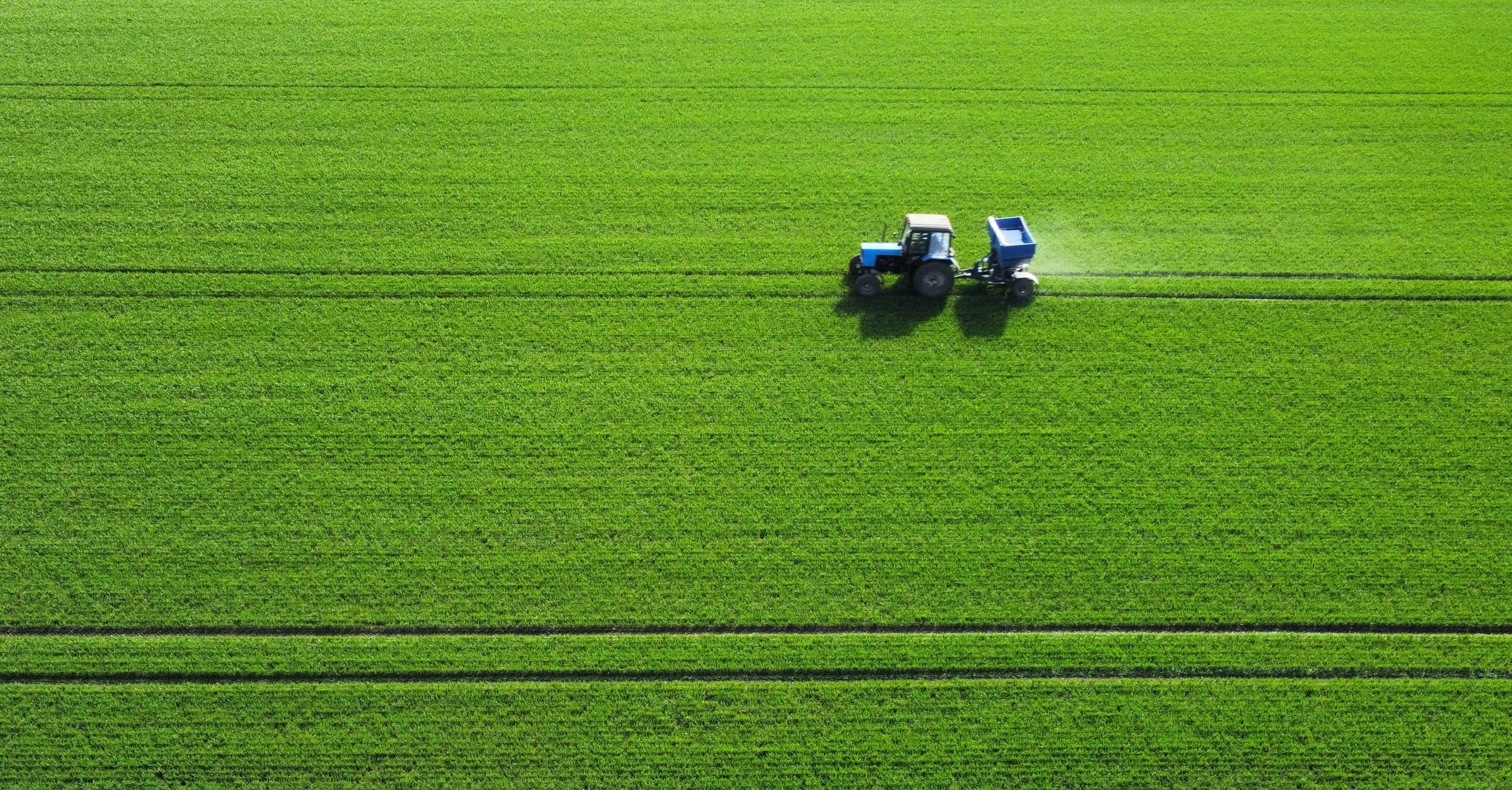

New Delhi: The BRICS nations have moved to place agriculture at the centre of the bloc’s economic agenda, adopting the ‘Indore Declaration’ with a series of institutional initiatives aimed at reshaping food security, farm trade and rural technology. The agreement, reached at the grouping’s agriculture ministerial meeting in Indore, signals an attempt by member countries to build a coordinated response to climate risks, supply chain disruptions and rising pressure on global food systems.
The timing is significant. BRICS countries account for nearly half of the world’s population, around 42% of global agricultural land and a similar share of foodgrain production. As geopolitical tensions, volatile commodity markets and changing weather patterns threaten food supplies, the bloc is positioning agriculture not merely as a social priority but as a strategic economic sector capable of strengthening resilience and reducing dependence on external markets.
The initiative also reflects a broader shift in global economic thinking. Food security has become intertwined with national security, trade policy and climate adaptation. Countries that can guarantee stable agricultural production and diversified supply chains are likely to enjoy greater economic and political leverage. Against that backdrop, BRICS is seeking to create an alternative platform for agricultural cooperation that could eventually shape global discussions on food systems and rural development.
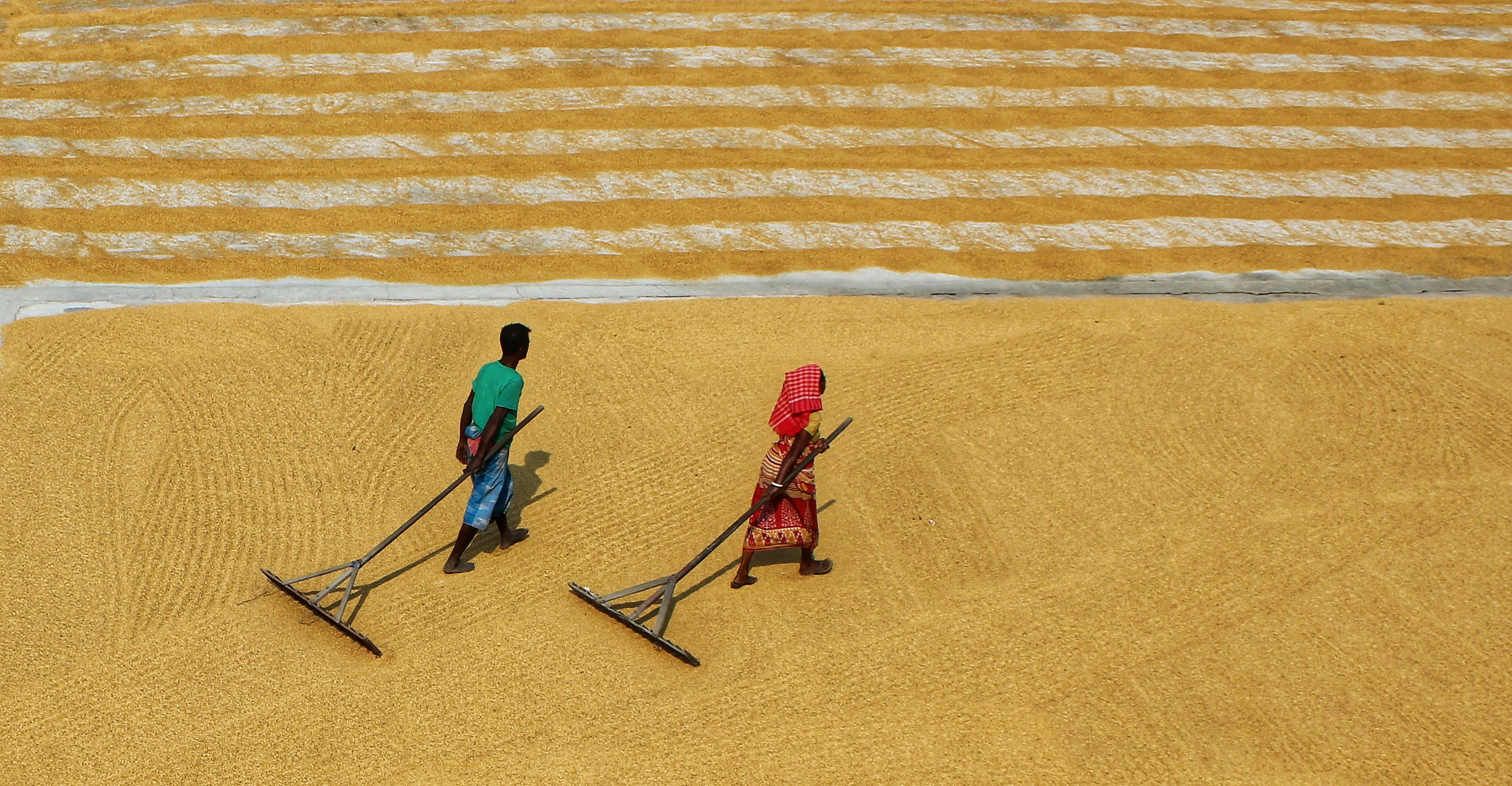
BRICS strengthens farmers’ rights through seed protection, indigenous knowledge preservation, and agricultural cooperation for sustainable global food security and resilience. (Photo by Dibakar Roy on Unsplash)
Institutions Over Intent
The Indore Declaration goes beyond broad political commitments by creating four new collaborative platforms designed to institutionalise cooperation. The most significant is a network of Centres of Excellence for agro-ecology and regenerative agriculture, reflecting growing acceptance that productivity gains must be balanced against environmental costs and long-term soil health.
A second initiative, the BRICS Digital Agriculture Network, seeks to accelerate the use of AI, geospatial technology, digital public infrastructure and data-driven farming. For member countries, digital agriculture is emerging as a commercial opportunity as much as a policy objective, with precision farming, predictive analytics and smart supply chains expected to improve productivity while reducing waste.
The declaration also establishes a Global Forum on Farmers’ Rights in Seed Systems to protect indigenous seed varieties and traditional agricultural knowledge, while BRICS AgriN will promote cooperation on agricultural inputs, genetic resources and information sharing. Together, these initiatives represent an effort to create common platforms for research, technology transfer and innovation rather than relying solely on bilateral arrangements.
The bloc also agreed to strengthen the existing BRICS Agricultural Research Platform by converting it into a practical “knowledge to action” mechanism aimed at faster adoption of scientific advances by farmers. Such a model could reduce the gap between laboratory research and commercial farming, a persistent challenge across developing economies.
The institutional focus is notable because previous multilateral agricultural initiatives have often produced ambitious declarations without creating durable mechanisms for implementation. By establishing dedicated networks and assigning coordinating roles to research institutions, BRICS is attempting to create a framework that can survive political transitions and deliver measurable outcomes.
Trade Climate Nexus
Agricultural trade emerged as another major theme of the discussions, with member countries reaffirming support for a fair and transparent multilateral trading system. India used the forum to push dialogue on a potential BRICS Grain Exchange, an idea that could deepen intra-group trade and reduce exposure to external supply shocks.
The commercial logic is becoming increasingly compelling. Climate change, recurring weather events such as El Niño and geopolitical conflicts have increased volatility across food and fertiliser markets. Coordinated policies on trade, logistics and information sharing could provide member countries with greater stability while creating new market opportunities for agricultural producers.
The declaration also reflects a stronger focus on reducing food losses across supply chains and promoting climate-resilient farming practices. Improving storage infrastructure, transportation networks and post-harvest management could significantly increase food availability without requiring additional cultivation.
Carbon markets and regenerative agriculture featured prominently in the discussions, highlighting a shift towards viewing sustainable farming not only as an environmental necessity but also as a potential source of additional farm income. Farmers adopting climate-friendly practices could benefit from emerging carbon credit systems while reducing long-term production risks.
India used the meeting to reiterate its commitment to shielding farmers from input cost inflation through fertiliser subsidies while promoting balanced use of chemicals, natural farming and organic cultivation. These measures align with a broader BRICS narrative that productivity and sustainability must advance together.
The emphasis on agricultural trade also carries strategic implications. BRICS members collectively represent some of the world’s largest producers and consumers of agricultural commodities. Greater coordination could strengthen their bargaining power in global markets while reducing dependence on traditional trading hubs.
Bilateral discussions among member countries advanced trade facilitation, technology exchange and investment opportunities, making agriculture a catalyst for stronger partnerships. (Photo by Paz Arando on Unsplash)
Strategic Rural Future
Perhaps the most important message from the Indore meeting is that agriculture is increasingly being treated as an investment and innovation sector rather than simply a welfare issue. The declaration places particular emphasis on small farmers, improved access to technology, mechanisation through shared infrastructure and stronger participation by women and young entrepreneurs.
The focus on agri-startups, digital platforms and technology-driven services reflects a recognition that the future of farming will depend as much on innovation ecosystems as on land and labour. Across BRICS economies, entrepreneurs are developing solutions ranging from drone-based crop monitoring to digital marketplaces and precision irrigation systems. Cross-border cooperation could accelerate the commercialisation of such technologies.
Another notable feature of the discussions was the emphasis on making advanced machinery and modern farming techniques accessible to smaller producers. Shared infrastructure models and equipment rental systems could lower costs and improve productivity, particularly in countries where fragmented land holdings limit investment capacity.
Youth and women were identified as critical drivers of future agricultural growth. Encouraging entrepreneurship, improving access to finance and expanding skill development programmes could help address labour shortages while creating new rural employment opportunities.
The Indore meeting also reinforced the importance of agricultural diplomacy. Bilateral discussions among member countries covered trade facilitation, technology exchange and investment opportunities, reflecting the growing commercial significance of the sector. Agriculture is increasingly becoming a platform for strengthening economic partnerships beyond traditional commodity trade.
Whether the Indore Declaration delivers tangible outcomes will depend on implementation. International agreements often struggle to move beyond political statements. However, the creation of dedicated networks and institutional frameworks gives this initiative a stronger operational foundation than many previous declarations.
For BRICS, the broader calculation is clear. As climate uncertainty, demographic pressures and geopolitical fragmentation reshape the global economy, agriculture is becoming a strategic asset. The Indore Declaration suggests the bloc intends to compete not only in manufacturing and technology but also in defining the future architecture of global food and farm systems. If the commitments announced in Indore translate into policy coordination and commercial partnerships, the meeting could mark the beginning of a more influential BRICS role in global agricultural governance and the business of feeding a changing world.