
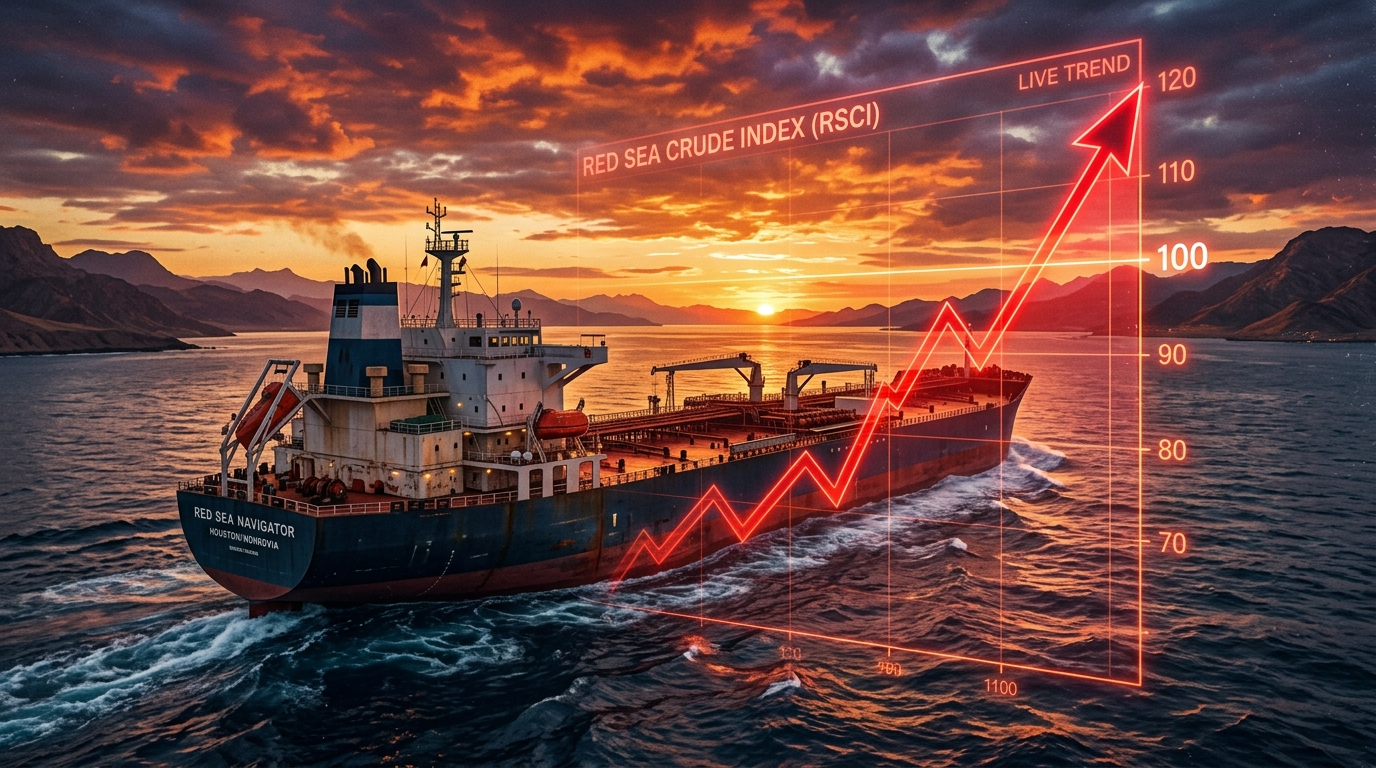

As of today, July 24, 2026, the global energy landscape has entered a period of acute volatility. Brent crude oil prices have officially surged past the $100-per-barrel threshold, a psychological and economic milestone that is sending shockwaves through international markets. This price spike follows a series of escalating maritime security incidents that have threatened the stability of the world's most critical shipping lanes.
The surge in energy costs has immediately impacted currency markets. The US dollar has surged in tandem with oil prices, as investors seek stability amid the unfolding geopolitical crisis. The confluence of rising energy costs and a strengthening dollar presents a dual challenge for emerging economies, particularly those reliant on fuel imports.
Military Escalation in Vital Waterways
The primary catalyst for this price action has been a dramatic escalation of hostilities in the Red Sea. Houthi militants have conducted targeted attacks on oil tankers, creating a high-risk environment for commercial shipping. These kinetic actions have forced major shipping firms to reconsider their routes, leading to significant delays and increased insurance premiums.
Compounding the crisis is the reported shutdown of the Strait of Hormuz. The closure of this vital maritime artery, through which a significant portion of the world's daily oil supply passes, has effectively choked off supply routes. The combination of Red Sea instability and the Hormuz shutdown has created a 'perfect storm' for energy speculators, driving prices to levels not seen in years.
Geopolitical Fears and the Iran Factor
Beyond the immediate tactical disruptions, the market is pricing in the risk of a much larger regional conflagration. The Red Sea attacks have stoked intense fears of a wider conflict involving Iran.
Analysts suggest that the direct or indirect involvement of regional powers could lead to a protracted supply deficit. This 'geopolitical risk premium' is now a permanent fixture in the $100+ price tag. Markets are currently 'rattled,' with investors weighing the possibility of long-term structural changes to energy security in the Middle East. The fear is no longer just about temporary delays, but a fundamental shift in the safety of transit through the Suez Canal and surrounding waters.
Economic Aftershocks and Inflationary Pressure
The breach of the $100 mark is expected to have immediate downstream effects on global inflation. With the US dollar surging alongside crude, as reported today, the cost of energy is becoming increasingly expensive for nations holding other currencies.
Details on the specific measures central banks might take to combat this new inflationary pulse have not been reported yet. However, the immediate market reaction indicates a flight to safety. During the initial breach, the hit to global prices is not merely a localized issue but a systemic threat to the post-2025 economic recovery.
As the situation in the Red Sea remains fluid, the international community faces the challenge of securing maritime trade while preventing a further spike in energy costs that could derail global growth. For now, the $100 barrel remains a stark symbol of the current geopolitical instability.