
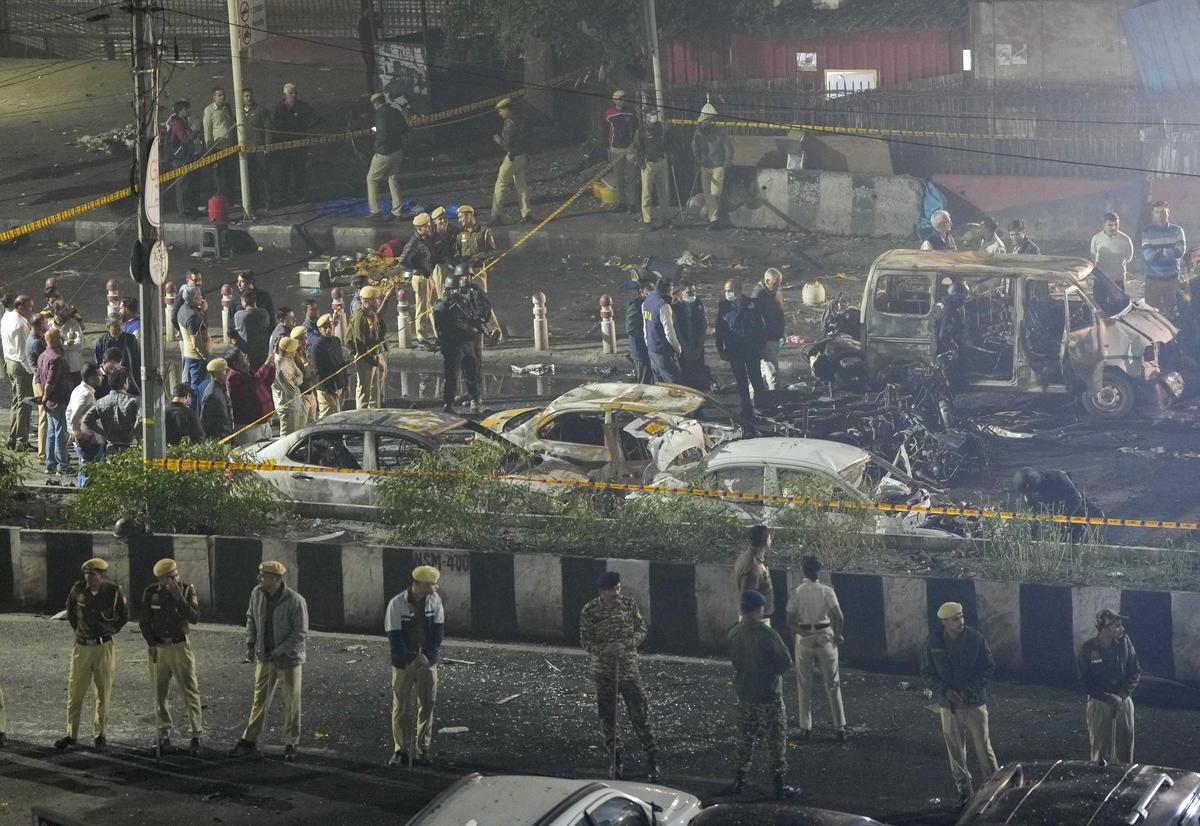

A new United Nations Security Council (UNSC) sanctions report has officially linked the deadly Delhi car bombing to Al-Qaeda in the Indian Subcontinent (AQIS). According to international reports emerging on 13 August 2026, the comprehensive assessment formally attributes the major terror incident to the extremist network and its regional offshoots, marking a significant development in global counter-terrorism oversight.
Official Attribution and the November 2025 Blast
The UNSC sanctions report specifically connects AQIS to the high-casualty incident that struck the historic Red Fort in November 2025, an explosion that resulted in 11 deaths. The document states that the attack has been “officially attributed” to the Al-Qaeda affiliate, turning international spotlight back onto the terror group's operational capabilities within South Asia.
The UN documentation explicitly terms the incident a suicide car bombing. This official UN backing provides formal international recognition of the terror network's direct involvement in the strike on the capital.
Expanding the Scope of India's Terror Probe
The integration of AQIS into the formal UNSC sanctions framework has immediate ramifications for domestic and international investigative bodies. The UN findings effectively expand the scope of India’s ongoing terror probe, compelling intelligence and security agencies to re-examine transnational linkages, financial flows, and logistical networks supporting regional offshoots of Al-Qaeda.
By tying the local cell directly to the broader global jihadist infrastructure monitored by the United Nations, investigators are provided with fresh analytical frameworks to trace how regional operatives coordinate high-impact urban strikes.
Global Geopolitical Context
The release of the sanctions report occurred alongside a wave of major global security developments tracked by international news desks. While diplomatic and security apparatuses digest the findings, the formal UN designation places renewed pressure on member states to choke off financial and material support lines associated with AQIS and its regional proxies.
The explicit naming of the outfit in connection to a major metropolitan assault ensures that counter-terrorism cooperation will remain at the forefront of international security agendas.