
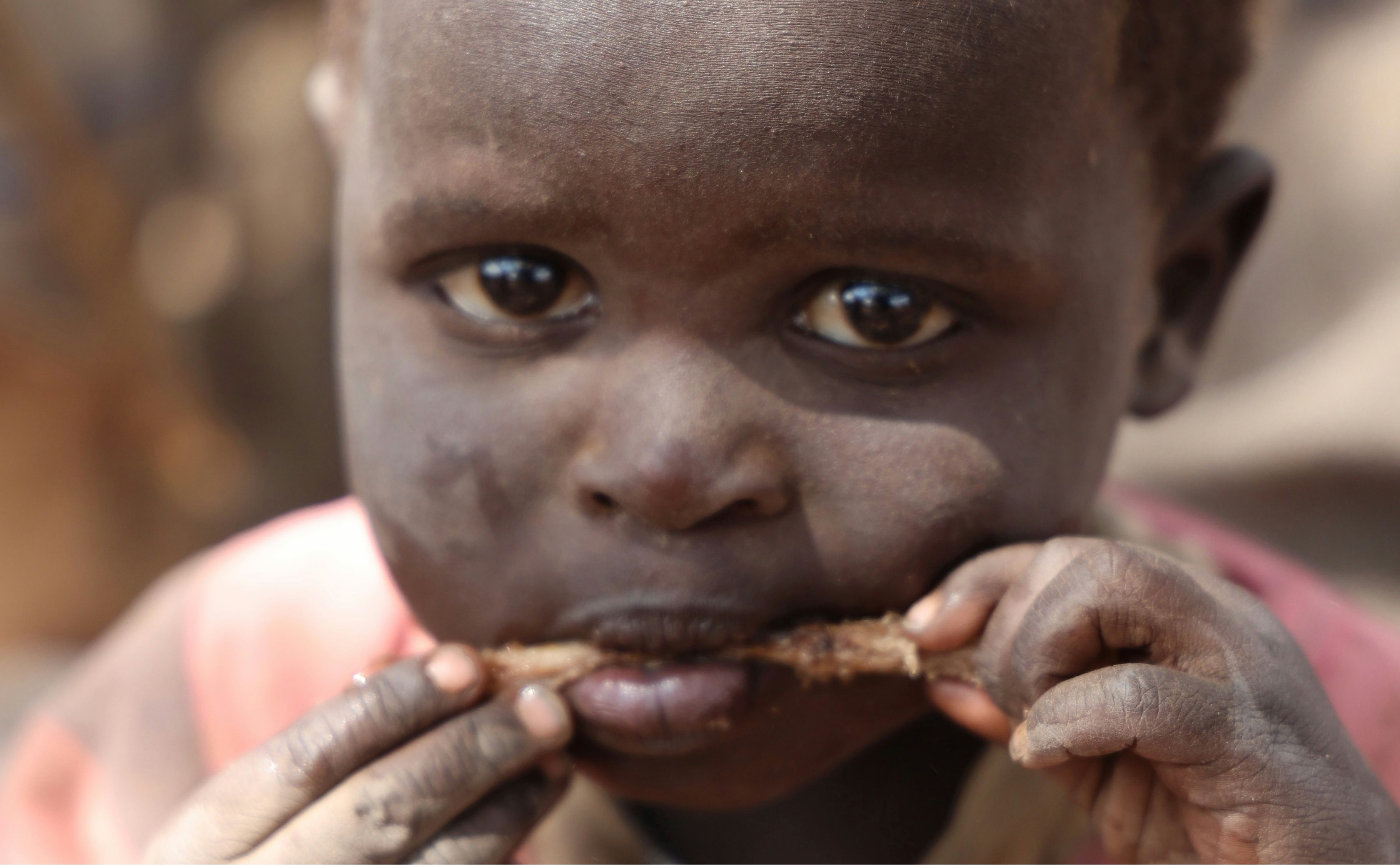

New Delhi: The world’s food crisis is entering a dangerous new phase. Wars are multiplying, climate shocks are becoming more frequent and humanitarian aid is shrinking at the fastest pace in years, creating a lethal combination that could push millions more people into hunger and starvation before the end of 2026.
The latest warning from the United Nations comes at a time when geopolitical tensions are disrupting everything from oil shipments to fertiliser supplies, feeding inflation and raising food prices across continents. What makes the crisis particularly alarming is that the world's most vulnerable populations are facing these shocks just as international relief budgets are drying up.
The Hunger Hotspots: FAO-WFP Early Warnings on Acute Food Insecurity, paints a stark picture of a world where food insecurity is increasingly being driven by human decisions rather than natural disasters. The report identifies 13 hunger hotspots where acute food insecurity is expected to deteriorate sharply over the coming months, with Sudan, South Sudan, Yemen, Palestine, Nigeria and Somalia demanding the most urgent attention.
The report offers one of its starkest assessments. “Modern famines are almost always human-made, foreseeable and preventable. Famine is often the result of conflict and constraints on access, and exacerbated by critical gaps in collective response, including weak coordination, delayed action, and insufficient funding,” it says.
That warning carries enormous significance because the numbers are moving in the wrong direction. Yemen continues to host the world’s largest population facing Emergency levels of food insecurity, while Nigeria has entered the highest-risk category after projections showed parts of Borno State could experience catastrophic hunger. Somalia has also joined the most critical group, with famine risks identified in Burhakaba district.
Sudan remains among the gravest concerns. Nearly 19.5 million people, or 41% of the population assessed, are facing high levels of acute food insecurity, while 200,000 people are projected to experience catastrophic conditions during the coming lean season. In South Sudan, 7.8 million people, representing 55% of the population analysed, are expected to face Crisis or worse conditions.
Conflict Drives Hunger
The report makes clear that today’s hunger crisis is fundamentally a crisis of conflict. Armed violence remains the principal driver in 12 of the 13 identified hotspots, disrupting farming, destroying infrastructure and forcing millions to flee their homes.
According to the report, “Armed conflict and violence remain the primary drivers of acute food insecurity, affecting 12 of the 13 contexts. At the same time, global economic stress – characterized by slower growth, renewed inflationary pressures and conflict-related shocks to energy, freight and fertilizer markets – continues to compound vulnerabilities.”
The Middle East conflict has emerged as a major global risk multiplier. Nearly one-quarter of global oil trade and significant volumes of fertilisers pass through the Strait of Hormuz, where disruptions have already sent fuel prices soaring. International average fuel prices jumped by 40% month-on-month in March 2026, while fertiliser prices also climbed sharply.
The ripple effects extend far beyond the conflict zone. Food-importing countries in Africa and Asia are paying more for staples, transport costs for humanitarian operations are rising and remittance flows could weaken if economic activity slows across the Gulf region.

The UN's message is blunt: act now or pay later. Without urgent action, today's hunger hotspots will become tomorrow's famines, with devastating human and economic consequences. (Photo by Annie Spratt on Unsplash)
Economic pressures are adding another layer of vulnerability. The International Monetary Fund (IMF) projects global growth of just 3.1% in 2026, while food inflation remains stubbornly high across many developing economies. Haiti, for instance, faces food inflation of 24%, while Myanmar’s food basket costs have risen by an estimated 19% in just one month following external shocks.
Climate is making matters worse. Forecasts suggest a transition towards El Niño conditions during the second half of 2026, bringing erratic rainfall, droughts and floods to vulnerable agricultural regions. Somalia continues to struggle with the cumulative impact of repeated droughts, while Madagascar faces crop losses after erratic rainfall and successive cyclones.
The report’s assessment of the climate threat is equally direct. “Climate forecasts indicate a transition towards El Niño conditions during the outlook period, likely resulting in uneven rainfall patterns that may disrupt agricultural production.”
For India, the report’s findings carry broader economic implications. Higher energy prices, volatile fertiliser markets and disruptions to global commodity supply chains could keep imported inflation elevated while increasing the cost of food security interventions across developing economies.
Aid System Fails
Perhaps the most disturbing aspect of the report is not simply the growth of hunger but the decline in the world’s ability to respond.
Humanitarian assistance to food sectors in crisis situations has fallen by an estimated 59% between 2022 and 2025, taking funding back to levels last seen nearly a decade ago. Yet the proportion of populations facing severe food insecurity has doubled over the same period.
“Despite escalating needs, humanitarian assistance to food sectors in crisis contexts has declined by an estimated 59 percent between 2022 and 2025, returning to levels last seen in 2016-17. This decline comes at a time when the share of the population analysed facing high levels of acute food insecurity has doubled globally,” according to the report.
The consequences are already visible. Humanitarian agencies have been forced to narrow assistance programmes, reduce food distributions and scale back monitoring operations. Survey interviews and field data collection have declined substantially, weakening the evidence base needed for effective interventions.
Funding cuts are hitting some of the world’s worst food crises the hardest. Afghanistan, the Democratic Republic of the Congo, Somalia, South Sudan and Yemen accounted for 44% of the global reduction in humanitarian assistance for food sectors while simultaneously recording significant increases in people facing severe hunger.
The report warns that women, children, refugees and internally displaced people are bearing the brunt of these reductions. It also highlights modelled projections suggesting severe reductions in humanitarian financing could contribute to up to 22.6 million additional deaths globally by 2030, including 5.4 million children under five.
Yet the report rejects the notion that famine is inevitable. Its central argument is that early intervention saves both lives and money. Waiting until starvation becomes widespread represents a collective policy failure rather than an unavoidable humanitarian tragedy.
The UN agencies conclude with a warning that should resonate across capitals. “Waiting until Famine (IPC/CH Phase 5) is declared before intervening represents a failure of foresight; by then, it is too late for many.”
That message extends beyond the 13 identified hotspots. The report places several other regions, including Pakistan and the Rohingya refugee situation in Bangladesh, under close monitoring. The common thread is unmistakable: conflict, economic instability and climate volatility are converging into a single global food security challenge.
For governments, multilateral institutions and donors, the choice is becoming increasingly stark. Invest in prevention, resilience and humanitarian access now, or confront far greater human and economic costs later. The UN’s latest hunger outlook is not merely a forecast. It is an early warning that the world still has a chance to act before today’s hotspots become tomorrow's famines.
(Cover photo by Uzuri Safaris Tanzania on Unsplash)