
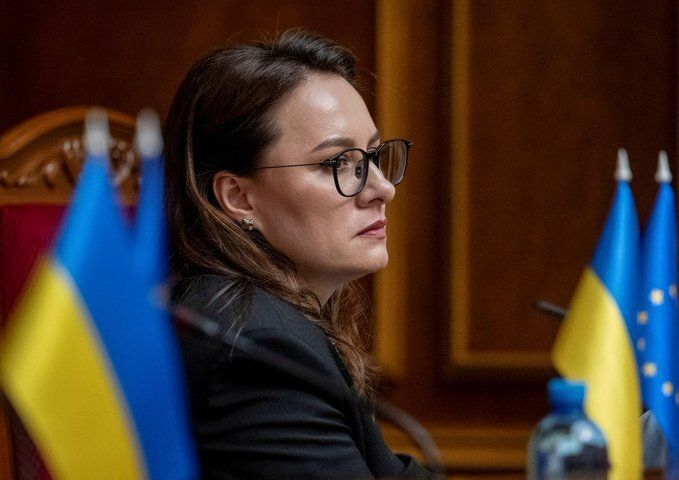

In a significant shift for Ukraine’s executive branch, Prime Minister Yulia Svyrydenko resigned from her post yesterday, July 14, 2026. The move comes as part of a broader government reshuffle directed by President Volodymyr Zelensky, signaling a potential reset in the nation’s administrative strategy as it navigates ongoing challenges.
The Resignation and Parliamentary Action
The resignation of Prime Minister Svyrydenko was not an isolated decision but a component of a structured reorganization of the cabinet. Following the announcement on Tuesday, the Ukrainian Parliament moved swiftly to formalize the transition.
The Parliament has officially accepted Svyrydenko’s resignation. This legislative approval is a critical step in the reshuffle process, clearing the way for President Zelensky to propose new leadership for the Council of Ministers. While the resignation marks the end of Svyrydenko’s current tenure, the immediate impact on day-to-day ministerial operations remains under observation.
A Presidential Directive for Change
The impetus for this leadership change stems directly from the presidency. Many reports say that the reshuffle was ordered by President Zelensky. Such high-level changes in the Council of Ministers are often utilized to bring fresh perspectives to governance or to address evolving national priorities.
Details on the specific performance metrics or policy shifts that prompted this reshuffle have not been reported yet. However, the scale of the change, starting with the Prime Minister, suggests a comprehensive evaluation of the current administration’s trajectory. The move reflects Zelensky’s ongoing authority to shape the executive team to meet the exigencies of the current political and security environment.
Implications for Ukrainian Governance
The departure of a Prime Minister during a period of national significance is a move of considerable political weight. By initiating this reshuffle, the Zelensky administration appears to be seeking a "political reset." As the Verkhovna Rada (Parliament) processes this vacancy, the focus turns to who will be tapped to lead the next cabinet.
Details on the specific candidates or the timeline for appointing a successor to Svyrydenko have not been reported yet. For now, the resignation serves as a clear indicator of a major transition within Kyiv’s halls of power. As the reshuffle continues, the stability of the transition and the composition of the new government will be closely watched by both domestic and international observers.