
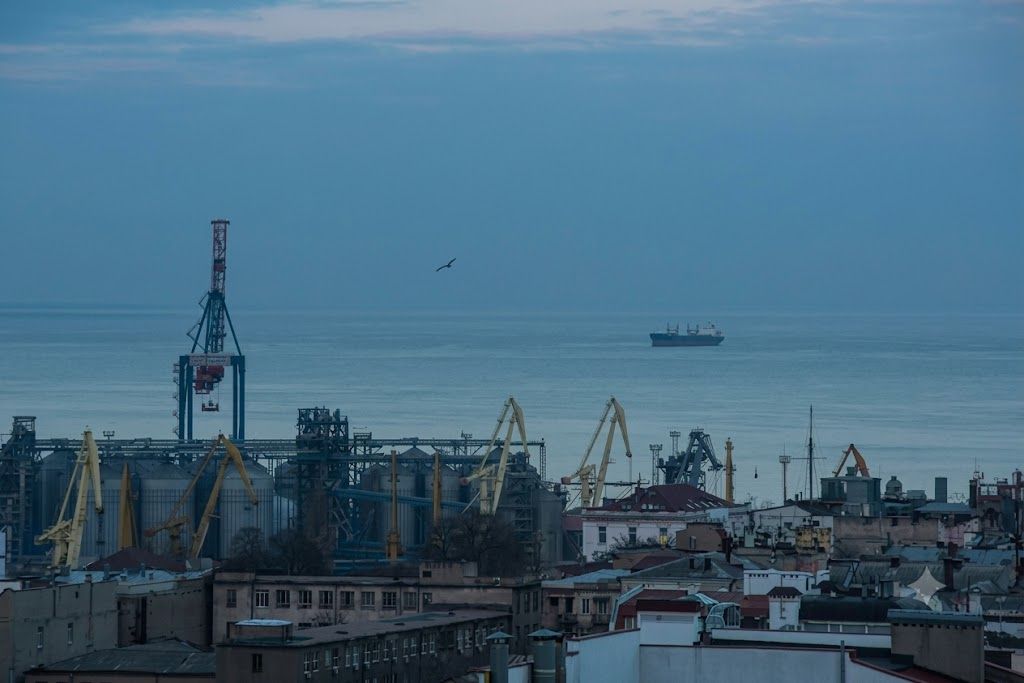

As the conflict stretches on, fresh violence has once again thrust civilian safety and critical supply lines into the spotlight. Ukraine and Russia are trading blame following a wave of lethal attacks that have left civilian casualties across Ukrainian regions and caused significant damage to infrastructure at the strategic Odesa port.
Escalating Casualties and Regional Strikes
The latest flare-up highlights a grim toll on civilian areas. According to reports, Russian bombs have injured five people in Ukraine's Sumy region, as local authorities continue to grapple with the aftermath of the airstrikes. These ongoing assaults form part of a broader pattern of escalation. The recent military actions have targeted major hubs like Kharkiv and Odesa, killing civilians and drawing sharp rebukes from Ukrainian leadership.
Odesa Port and Threats to Black Sea Trade
The targeting of Ukraine’s Odesa port remains a central flashpoint, directly threatening vital Black Sea trade corridors. As noted by media outlets tracking the developments, the port has sustained fresh damage amid the latest strikes.
This incident compounds earlier maritime security crises in the region. Previous deadly attacks, such as a missile strike on a Turkish-owned cargo vessel leaving Odesa that resulted in 10 deaths, have continuously underlined the severe hazards facing international shipping and trade routes operating out of Ukraine's southern coast.
Mutual Accusations and Food Security Concerns
In the wake of the latest destruction, both Kyiv and Moscow have traded accusations over the lethal escalation. Ukrainian President Volodymyr Zelenskyy has vocally blamed Moscow for executing attacks that deliberately jeopardize global food security by targeting agricultural and port logistics.
With critical infrastructure suffering repeated hits and regional authorities reporting mounting injuries from areas like Sumy, the diplomatic and military standoff remains deadlocked. As the humanitarian and economic fallout deepens, the international community watches anxiously to see how the persistent threats to Black Sea commerce will be managed.