
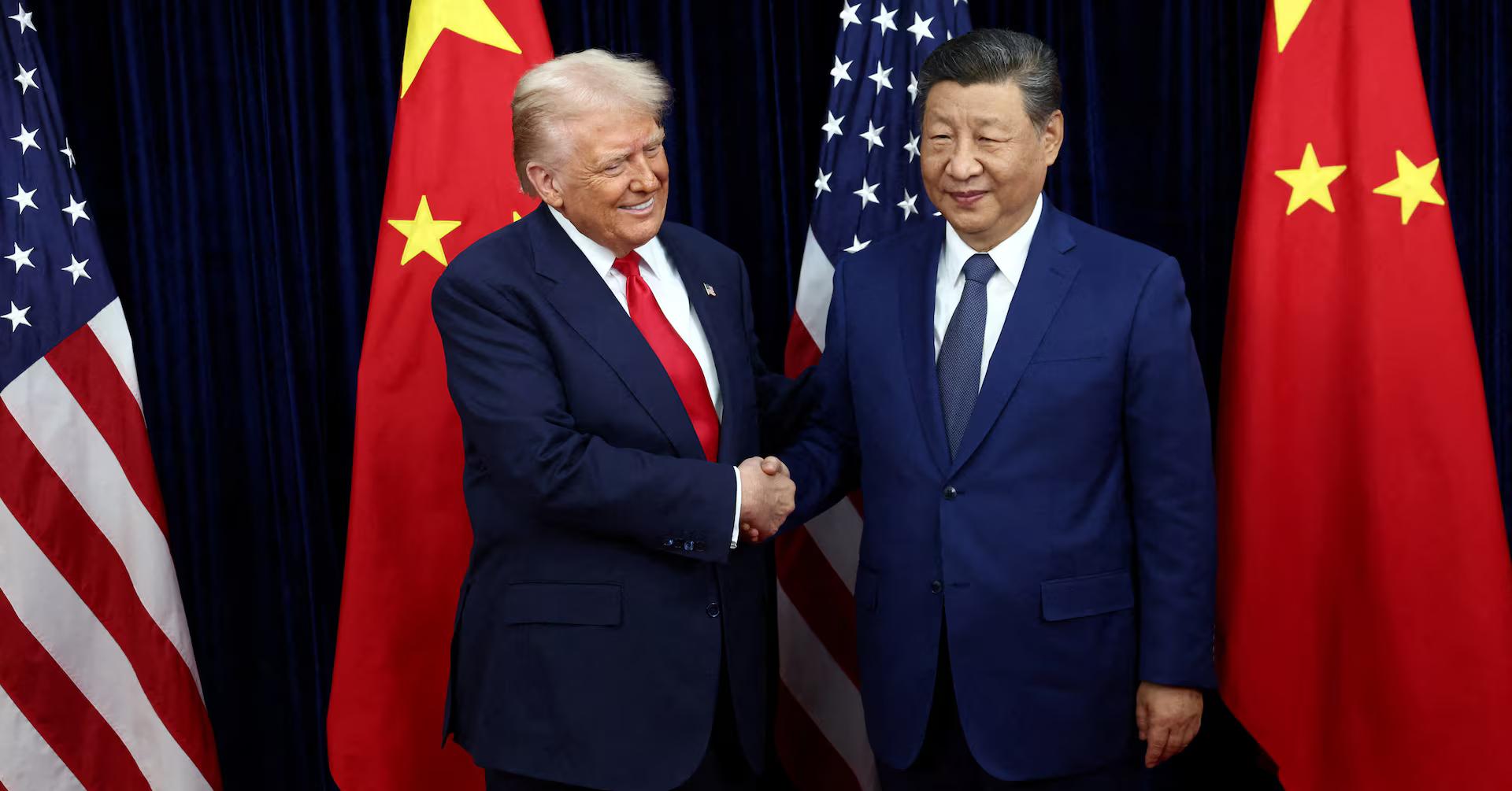

Donald Trump is heading to Asia for a diplomatic tour that features high-stakes meetings with Chinese President Xi Jinping and discussions involving Russian President Vladimir Putin. This journey marks his second high-stakes meeting with the Chinese leader, occurring under intense geopolitical and domestic scrutiny.
Domestic Pressures and Scandals Shadow the Tour
The diplomatic expedition arrives in the shadow of significant political and security complications back home. According to reports, the Asia trip takes place amid a domestic midterm political setback or election defeat, alongside fallout from a major spy scandal.
Furthermore, the high-stakes engagements are further complicated by a scandal involving Nvidia's CEO. These overlapping political setbacks and security concerns have cast a notable shadow over the visit, heightening the scrutiny on how the administration will handle negotiations abroad while managing crises at home.
High-Stakes Talks With Xi Jinping and Vladimir Putin
At the center of the tour are crucial face-to-face discussions. Trump's itinerary includes direct talks with Chinese President Xi Jinping and Russian President Vladimir Putin.
Relations between Washington and Beijing have faced rising tensions, making the interaction with Xi a focal point for international observers. Meanwhile, details concerning the specific scope of the Vladimir Putin discussions and broader regional engagements have been closely tracked by international press corps on the ground.
Regional Implications and Diplomatic Outlook
As the diplomatic tour unfolds, the convergence of intelligence fallout, technology sector controversies, and domestic electoral headwinds create a volatile backdrop for US foreign policy. While regional leaders look for stability, the dual pressures of managing great-power competition with China and strategic messaging regarding Russia will test the administration's diplomatic agility.