
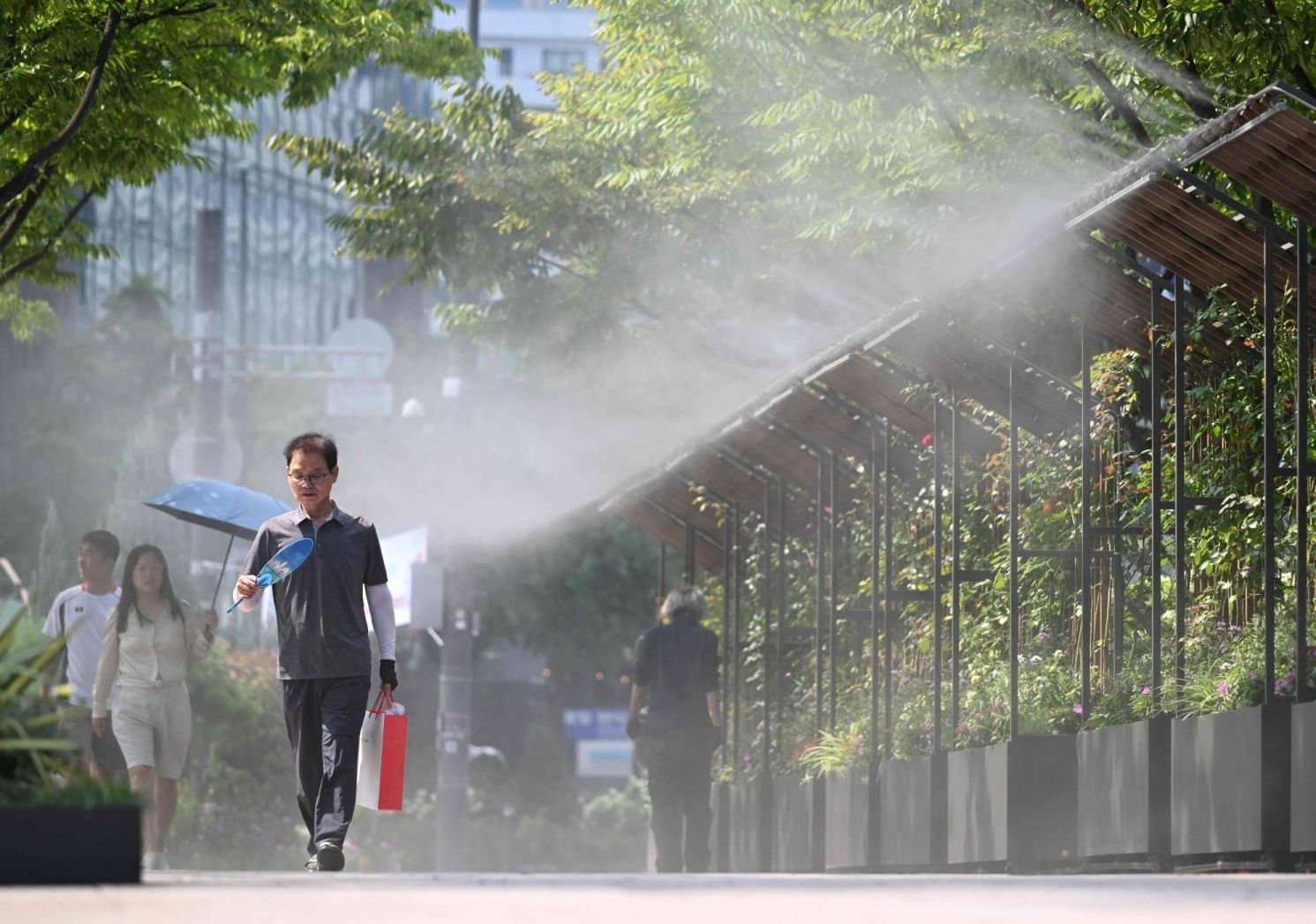

As of today, 6 August 2026, South Korea has entered a state of national emergency. Following weeks of intensifying temperatures that have shattered historical records, the South Korean president has ordered an "all-out response" to combat a heatwave that is now being treated as a major public health and safety crisis. The presidential directive aims to mobilize every available resource to mitigate the impact of the extreme weather, which has already resulted in significant loss of life and widespread industrial disruption.
A National Disaster-Level Crisis
The scale of the current heatwave has surpassed the previous benchmarks set during the historic 2018 summer. According to reports, temperatures have reached a staggering 42.5°C, a record-breaking figure that has prompted authorities to declare a national disaster-level response.
The human cost of this climate event is mounting. At least 16 fatalities have been confirmed as of this week, with the capital city of Seoul placed under its first-ever "severe" heat warning. In response to the rising death toll, the government has taken the unprecedented step of ordering a total halt to outdoor work to protect laborers from heatstroke and exhaustion. This move reflects the gravity of the situation as the peninsula faces weather conditions that exceed the capacity of standard infrastructure.
Systemic Disruptions and Fire Risks
The emergency is not limited to public health; it has also escalated the country’s fire risk to its highest level. The prolonged heat has fueled a surge in fires across the country, leading authorities to raise the fire risk alert to the "highest level" to prevent a secondary disaster.
The administrative response has shifted from localized heat advisories to a coordinated nationwide strategy. The declaration of a national disaster-level response allows for the streamlining of emergency funds and the deployment of personnel to cooling centers and high-risk urban areas. This systemic mobilization is intended to provide a safety net for vulnerable populations, particularly the elderly and those living in substandard housing who are most at risk during these peak temperature windows.
Regional Impact and Economic Adaptations
The heatwave is part of a broader regional phenomenon. The record-breaking heat is currently gripping North Korea, South Korea, and Japan, suggesting a massive high-pressure system is stalled over East Asia. This regional intensity has forced immediate changes in the private sector, particularly within the tourism industry.
Tourism operators have been forced to adapt itineraries as the 42.5°C heat makes traditional outdoor sightseeing impossible. New travel schedules are prioritizing indoor activities and night-time tours to ensure the safety of visitors. Despite these adaptations, the sheer intensity of the heat continues to strain the energy grid and dampen economic activity as citizens remain indoors to escape the lethal conditions.