
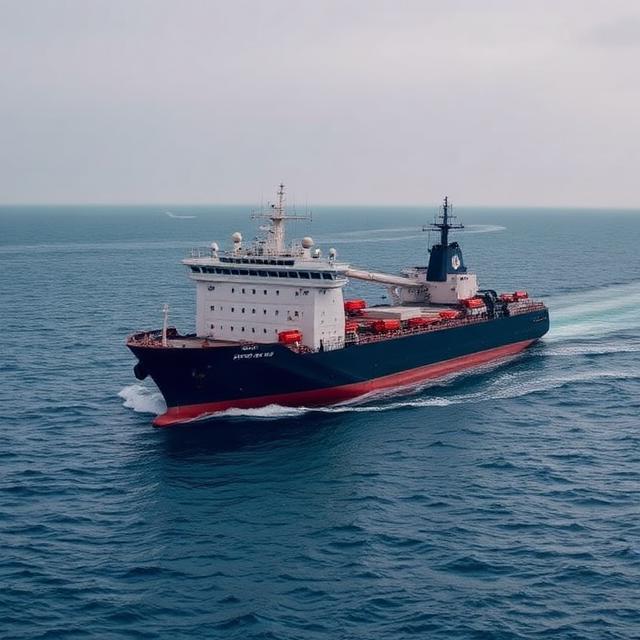

The Black Sea maritime corridor has once again become a site of lethal escalation. On July 20, 2026, reports confirmed a series of Russian strikes on commercial vessels that have resulted in multiple fatalities and missing crew members. These incidents underscore the persistent and severe threats to international shipping routes that remain vital for global trade and commodity flows.
Conflicting Reports on Human Casualties
As of early this morning, the human toll of the strikes remains a subject of evolving reports from regional news outlets. Kremlin-led strikes on cargo ships in the Black Sea have resulted in the deaths of five individuals. These strikes represent a direct hit on the civilian workforce responsible for navigating one of the world's most contested bodies of water.
At the same time, reports indicate that the casualty toll could be higher. A Russian attack on a ship in the Black Sea killed six sailors, with an additional four crew members currently listed as missing. The discrepancy in these figures, ranging from five to six confirmed dead, reflects the volatile and often chaotic nature of reporting from active conflict zones. What remains consistent across all reports is that civilian sailors are increasingly bearing the brunt of the kinetic activity in these waters, with the fate of the missing crew members still unknown.
Expansion of Targets to Energy Infrastructure
In a development that signals a potential shift in tactical focus, the most recent wave of strikes appears to have moved beyond general cargo and grain vessels. In addition to the strikes on cargo ships, two oil tankers located off the Russian coast were also targeted.
This expansion of targets into the energy sector introduces a new layer of risk for maritime operators. The targeting of tankers, which carry hazardous and highly flammable materials, significantly increases the potential for environmental disasters alongside the immediate humanitarian cost. While specific details regarding the damage to these tankers or the status of their crews have not been fully reported yet, their inclusion in the latest offensive indicates a broadening of the maritime theater of war to include critical energy supply chains.
Fragility of the Black Sea Maritime Corridor
The events of July 20, 2026, highlight the extreme fragility of maritime security in the region. Despite ongoing international efforts to maintain safe passage for commercial traffic, the reality for ship operators and their crews remains one of high risk and unpredictability. The Black Sea continues to be a theater where commercial shipping is caught in the crossfire of geopolitical conflict.
Industry analysts note that such strikes on civilian vessels serve to destabilize global commodity flows by increasing insurance premiums and deterring shipping companies from utilizing these routes. With sailors killed and others still missing, the human cost of maintaining these trade arteries is becoming increasingly difficult for the international community to ignore. As the situation develops, the focus remains on the search for the four missing sailors and the assessment of the broader impact on maritime security.