

New Delhi: The first set of price-level data released after the onset of the Iran-Israel war shows that retail inflation, measured by the Consumer Price Index (CPI), inched up marginally to 3.4% in March from 3.21% in the previous month, mainly due to an increase in certain food prices. The data, released by the National Statistics Office (NSO) on Monday, also marks the first major economic indicator published under the new series with a base year of 2024.
While the uptick reflects the highest inflation level seen in nearly one year, the figure remains comfortably below the Reserve Bank of India’s median target of 4%.
“Despite a full month since the West Asia conflict began, retail inflation showed relatively low impact of the energy shock. March had seen Brent crude spot prices flame up 45%, and international natural gas prices soar by approximately 69% compared with February. While the government announced an increase of Rs 60 in domestic LPG cylinder, it kept retail prices of petrol and diesel unchanged. Thus, retail inflation in March was fairly insulated from the energy price shock. Core inflation was contained by slower gold and silver inflation,” says Dipti Deshpande, Principal Economist, Crisil.
The primary driver behind the slight acceleration was the cost of food. The Consumer Food Price Index (CFPI) was estimated at 3.87% in March, up from 3.47% in February. When broken down by geography, food inflation in rural areas reached 3.96%, while urban centres saw a slightly lower rate of 3.71%.
The specific commodities driving these figures showed a stark divide in the agricultural sector. Consumers felt the pinch in the vegetable aisle with sharp price hikes for tomatoes and cauliflower. Outside of the kitchen, high inflation was also prominently noticed in gold and silver jewellery, as well as coconut (copra).
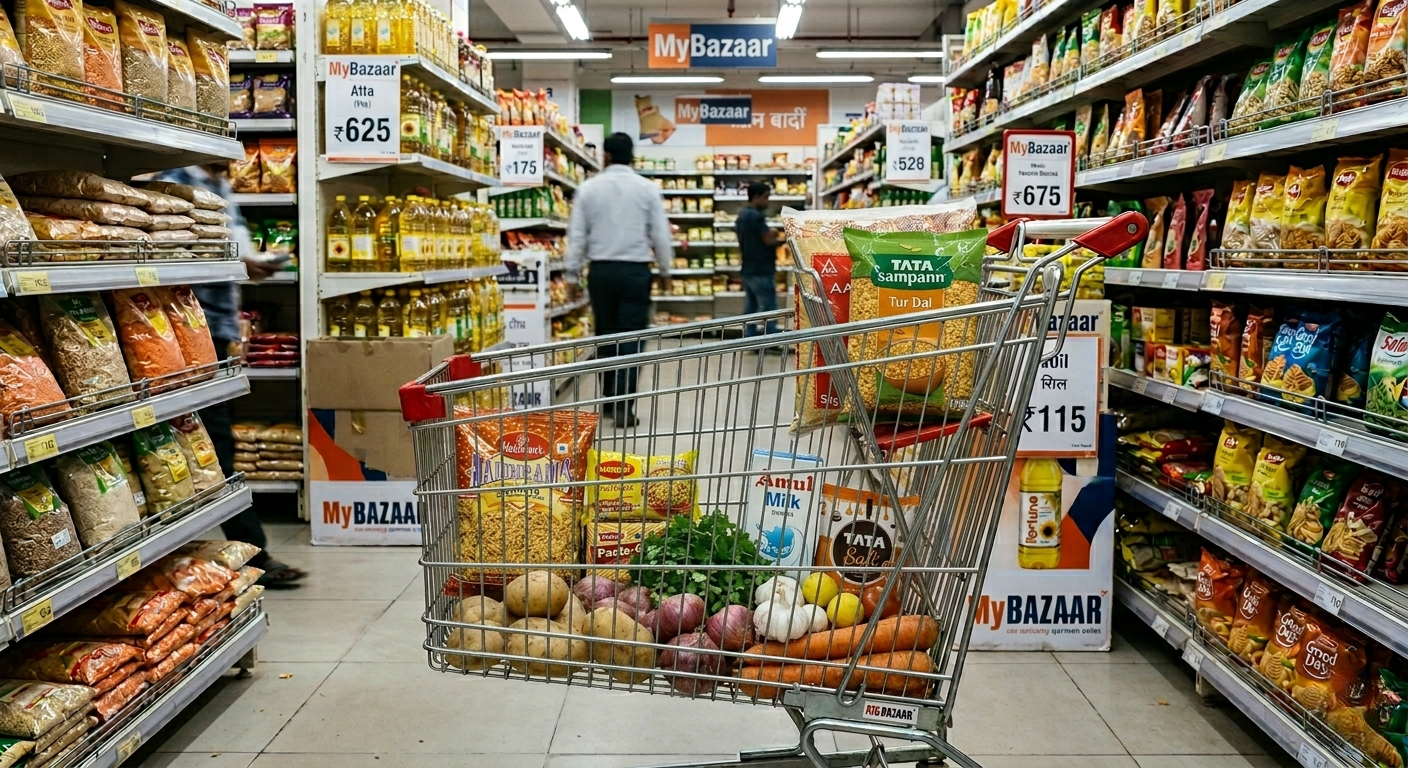
Conversely, there was significant relief in other pantry staples. Major vegetable prices stayed under pressure, providing a necessary cushion for household budgets. Onion prices eased by approximately 28%, while potato prices slid by around 19%. Other items such as garlic, arhar dal, and chick peas also recorded negative inflation rates for the month.
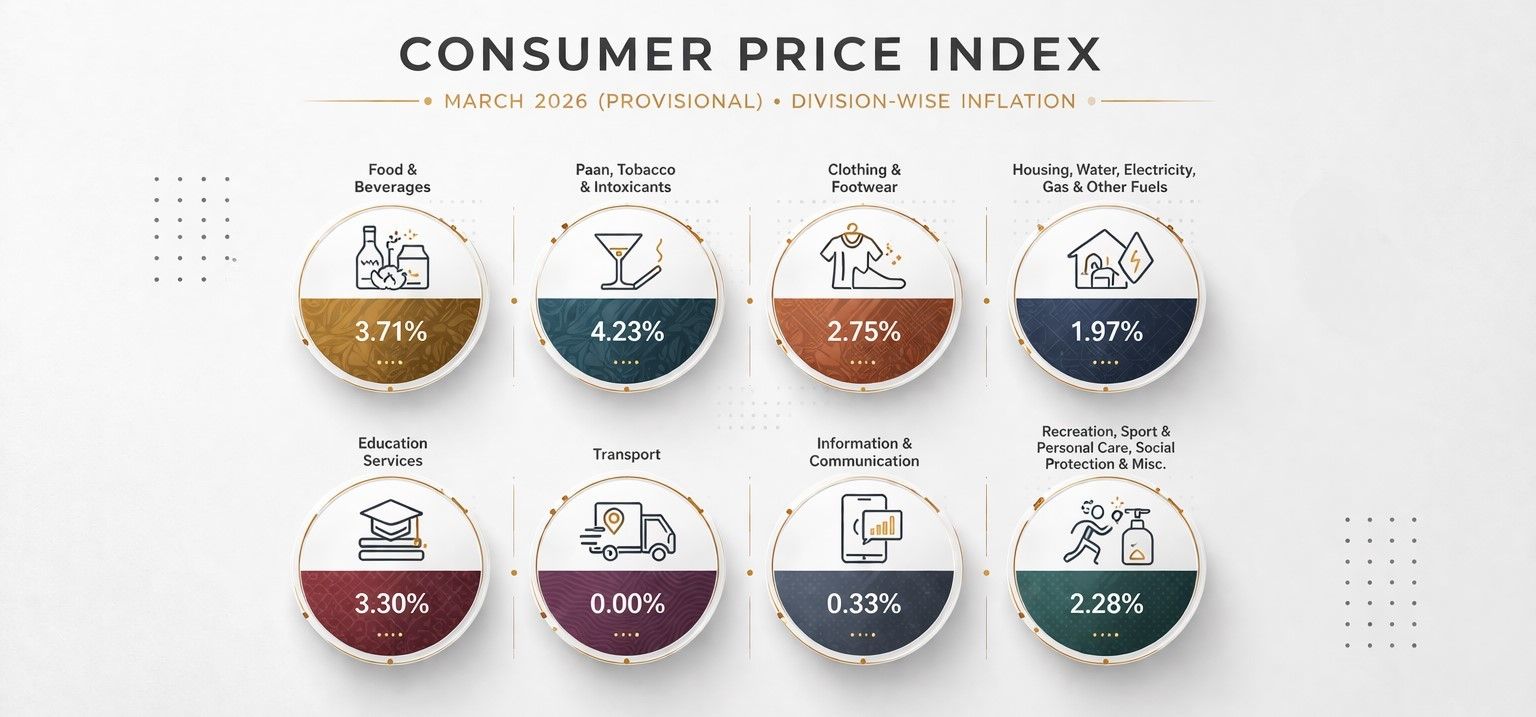
Beyond the grocery basket, the ‘electricity, gas and other fuels’ segment saw a minor increase, standing at 1.65% in March compared to 1.52% in February. This marginal rise comes at a time of heightened global anxiety regarding energy supplies following the outbreak of conflict in the Middle East.
The housing sector showed steady growth, with a year-on-year inflation rate of 2.11%. Rural housing costs grew at a faster clip of 2.54%, while urban housing inflation remained more subdued at 1.95%.
The national average of 3.4% masks a diverse economic landscape across India’s states. Telangana recorded the highest inflation rate in the country at 5.83%, significantly outpacing the national mean. On the opposite end of the spectrum, Mizoram enjoyed the lowest inflation rate at just 0.66%.
Overall, the total inflation for the rural segment stood at 3.63%, while the urban segment was recorded at 3.11%.
“In April so far, consumers have again been shielded from the rise in energy prices with the government announcing a cut in excise duty on petrol and diesel starting late March. In the coming months, while a low base will perk up food inflation, the adverse impact of heatwaves and increased risk from a below-normal southwest monsoon assign an upside to food inflation,” says Deshpande.
“The second-round impact on core inflation via higher energy, trade and transportation costs is on the cards. Our base case call of 4.5% average inflation could rise to 4.7% if the West Asia conflict continues till April-end and energy prices remain elevated,” she adds.