
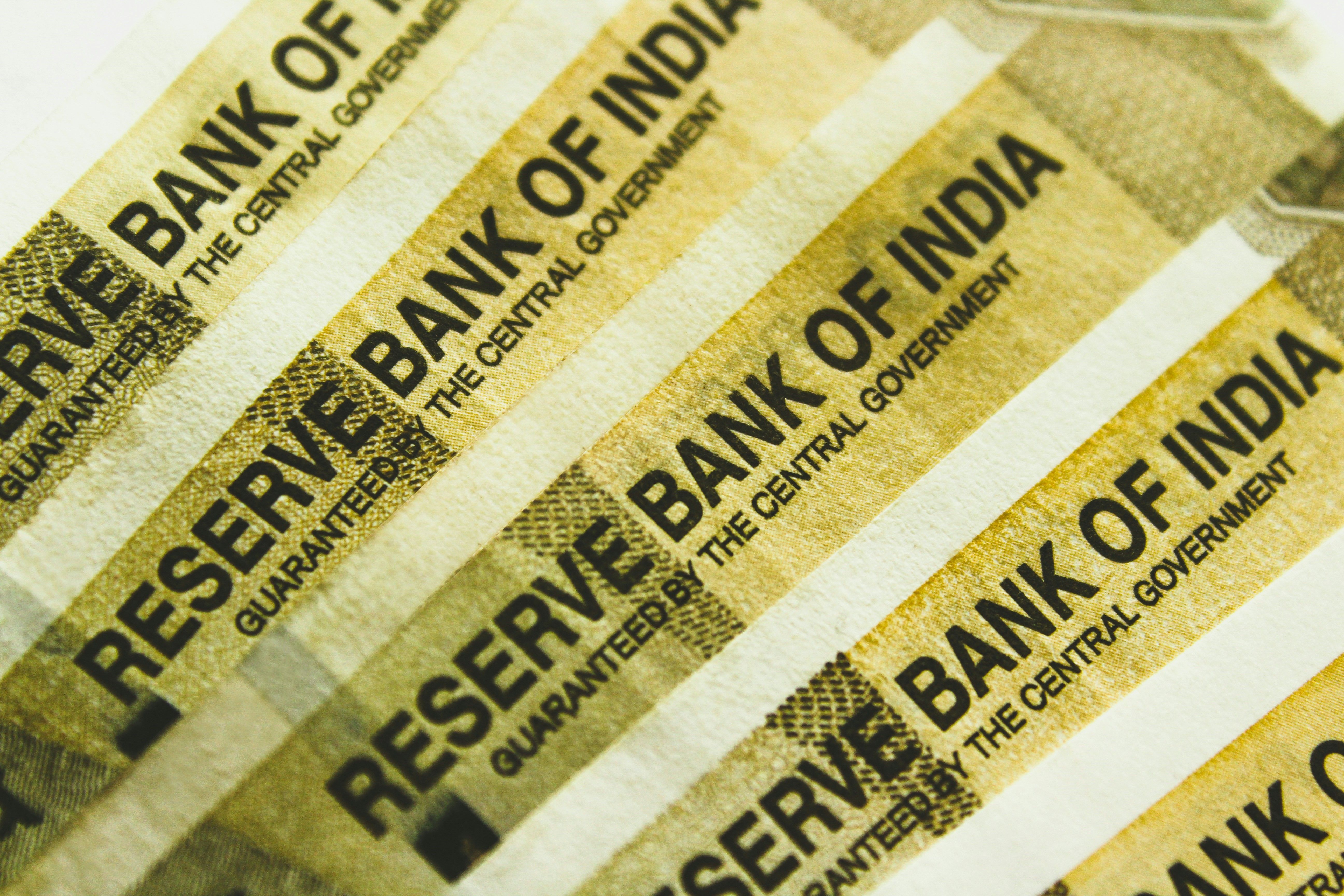

New Delhi: The Reserve Bank of India (RBI) on Wednesday opted to hold its benchmark policy rate steady, signalling a cautious approach as global uncertainties cloud the economic outlook. At the conclusion of its April 6-8 Monetary Policy Committee (MPC) meeting, RBI Governor Sanjay Malhotra announced that the repo rate remains unchanged at 5.25%, with the policy stance continuing as “neutral”.
This decision comes at a time of heightened geopolitical tensions, particularly the ongoing conflict in West Asia, which has pushed up crude oil prices and exerted pressure on the Indian rupee. Despite these headwinds, the central bank has chosen to stay in a wait-and-watch mode after having already implemented cumulative rate cuts of 125 basis points during 2025.
Pointing to the uncertain global environment, the RBI Governor said, “Global growth faces increasing downside risks as the sharp rise in energy prices and shortages of inputs have stoked inflation fears.” This highlights the RBI’s concern that external shocks, especially energy price volatility, could disrupt the delicate balance between growth and inflation.
On the domestic front, however, the outlook appears relatively stable. The RBI has projected India’s real GDP growth at 6.9% for FY27, with a gradual pickup expected in the second half of the fiscal year. Quarterly projections indicate growth of 6.8% in Q1, 6.7% in Q2, 7% in Q3 and 7.2% in Q4, reflecting optimism about economic momentum despite global challenges.
Inflation, a key factor guiding monetary policy, is projected at 4.6% for FY27. While this remains within the RBI’s comfort band, risks persist. “Recent spikes in energy prices due to the conflict has emerged as a risk,” Malhotra noted, adding that food inflation may remain contained due to strong agricultural output. He further reassured that “food price outlook remains comfortable in the near term, with robust Rabi production, adequate reservoir levels and comfortable buffer stocks of food grains”.
External Shocks
The RBI also acknowledged external sector vulnerabilities. According to the Governor, disruptions in global shipping routes, higher freight costs, and weaker global demand could weigh on goods exports. However, he put forward out a counterbalancing factor. “Merchandise exports may benefit from the recent trade agreements… while services exports are expected to remain resilient,” he said. This underscores the growing importance of India’s services sector in cushioning external shocks.
SBI Ecowrap
An analysis by SBI Research stated in its Ecowrap report provides additional insight into the tone of the policy. It observed that “the MPC taking a wait-and-watch stance in a flux like situation is self-evident”, reinforcing the idea that policymakers are deliberately avoiding premature moves amid uncertainty.
The report also noted a subtle shift in communication. “This statement is most cautious/hawkish, but does not mean a rate hike is imminent,” it said. This suggests that while the RBI is alert to inflationary risks, it is not yet prepared to tighten its monetary policy.
The RBI also introduced several regulatory and developmental measures aimed at strengthening the banking system. These include proposals to rationalize capital-related guidelines and simplify regulatory frameworks. According to the Ecowrap report, these steps “give considerable flexibility to banks to internal plough back” capital and “make risk recognition more transparent and simpler”.
Liquidity management also remains a priority, the report says. The RBI has indicated that it will actively intervene to ensure adequate liquidity in the system, a move seen as crucial in maintaining financial stability during volatile times.
The report further pointed to broader structural changes, noting that regulatory consolidation “reducing the compliance cost for banks” and initiatives in payment systems could enhance efficiency and liquidity, particularly for MSMEs.
On the currency front, the RBI appears prepared to act decisively. The Ecowrap analysis remarked that recent rupee depreciation “is not in sync with India’s macro fundamentals”, suggesting that intervention may be necessary to stabilize the currency.
“Overall, we expect a prolonged pause as the natural outcome under current uncertain global environment,” says the report.