
New Delhi: The government on Wednesday (May 27) said India has more than adequate supplies of petrol and diesel and dismissed reports of fuel shortages, attributing local disruptions to hoarding, diversion and arbitrage by industrial consumers.
“The Government of India wishes to place on record, in unambiguous terms, that the country has more than adequate supplies of petrol and diesel to meet every domestic need, retail and industrial alike,” it assured in a press statement.
India, the world’s fourth-largest refiner, has an installed refining capacity of 258.1 million tonnes per annum across 22 operational refineries. Domestic fuel consumption stood at 243.2 million tonnes in FY 2025-26, while petroleum product exports touched 61.5 million tonnes in the same year.
“There is no supply issue of any kind,” the government said in the statement that comes amid rising concerns over fuel availability following the ongoing supply disruption in West Asia. The Union Petroleum and Natural Gas Ministry has been in continuous coordination with public sector oil marketing companies (OMCs), state governments and industry bodies to ensure uninterrupted fuel supplies, it added.
The government said PSU oil companies are currently absorbing losses of around ₹550 crore per day on the sale of petrol, diesel and domestic LPG after deciding not to fully pass on higher international prices to retail consumers.
“Under the direction of the government, and as a deliberate act of consumer protection during the ongoing West Asia disruption, the oil marketing companies have refrained from passing through the full international price into domestic retail sales,” stated the statement.
Officials said the lower retail pricing was intended to shield households, farmers and small consumers, and not industrial buyers whose fuel purchases are linked to international market rates. This cushion is intended for the retail consumers: the households, the two-wheeler commuters, the farmers at the pump. It is not extended to industrial procurement, where pricing tracks international actuals as a matter of standing policy.
According to the government, industrial consumers have shifted purchases from industrial supply channels to retail pumps to take advantage of lower prices, leading to localised pressure at fuel stations. “Industrial consumers who divert their purchases from the industrial channel to the retail pump capture this cushion at the cost of the ordinary citizen. They also concentrate demand at the pump in a way that produces local shortages where none would otherwise exist.”
“It has been observed that private oil marketing companies are experiencing a decline of approximately 38% in HSD offtake during the current month, across both retail outlets and bulk customers due to higher rates fixed by them. This volume is shifting entirely to PSU oil marketing retail outlets,” said the government.
PSU bulk customer volumes have also fallen by around 29%, indicating that industrial buyers are increasingly moving to retail channels.
The government said it has asked industry associations to caution members against fuel diversion and misuse of subsidised retail supplies. “The government, taking a serious view of above, has asked the industry associations to make their members aware of both the principle and the consequence of violations,” it cautioned.
States and Union Territories have also been directed to form special squads to act against hoarding, black marketing, unauthorised stocking and diversion of petroleum products under the Essential Commodities Act and related control orders.
The government said it is closely monitoring the international situation and maintained that India’s refining capacity and coordinated fuel management system remain strong enough to ensure uninterrupted supply.
The government has requested people to rely on official communication and disregard rumours that mistake an arbitrage problem for a supply problem.
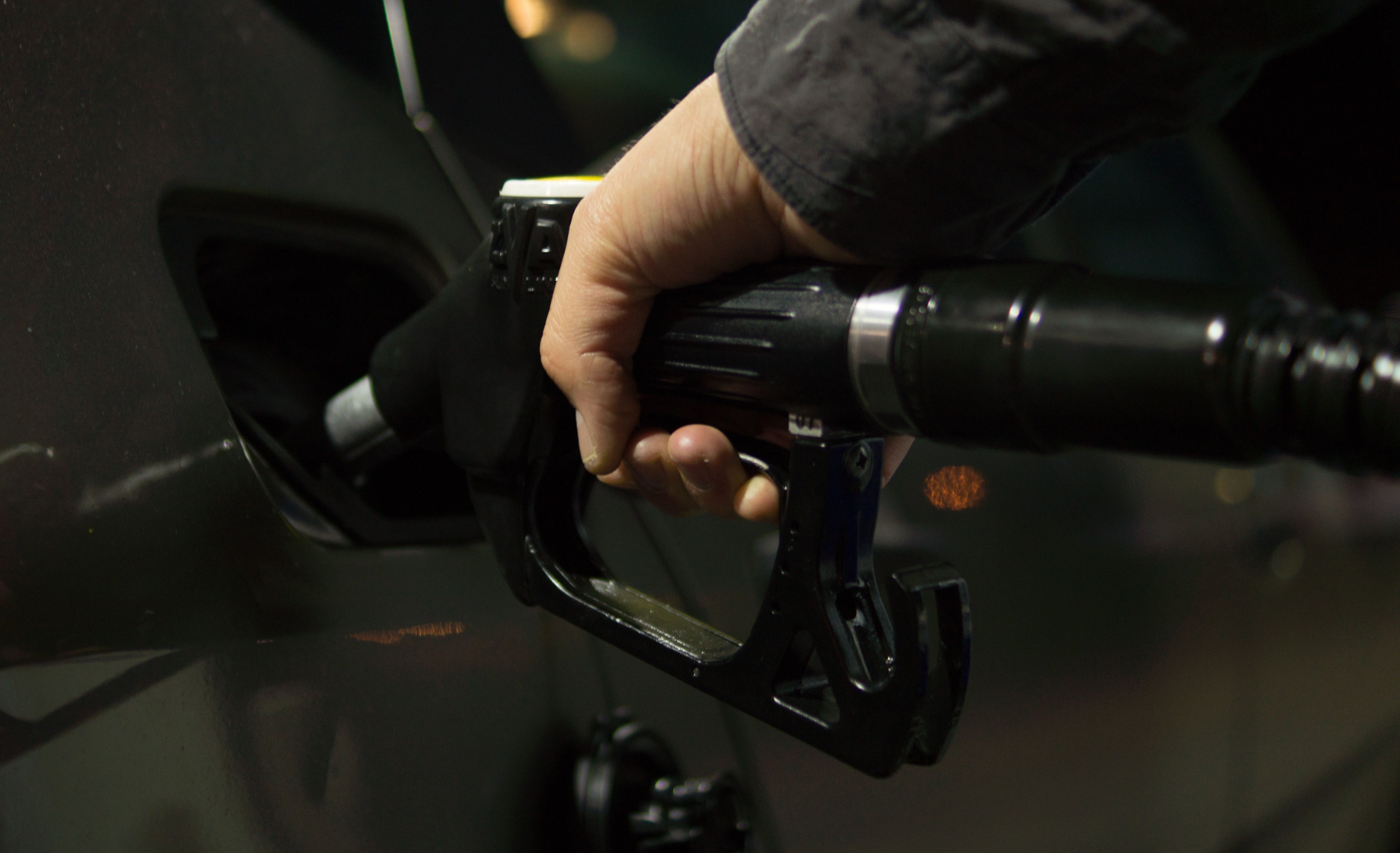
OIL & GAS
No fuel shortage in country, assures govt

Dialogus Bureau
Author
Published
Centre says petrol and diesel supplies remain stable as PSU oil firms absorb ₹550 crore daily to protect consumers; cautions against hoarding and diversion
More on DIALOGUS
OIL & GAS
India’s energy supplies ‘secure and stable’, Puri tells Lok Sabha
Govt has diversified crude import sources, prioritized natural gas supply and increased LPG output to maintain fuel availability
D
Dialogus Bureau·5 min readOIL & GAS
Can IEA’s emergency oil release calm markets?
Move seeks to stabilize volatile crude markets amid Middle East supply risks, highlighting the fragile balance of global energy security and oil supply chains
C
Chinmay Chaudhuri·5 min readOIL & GAS
War shock: Oil vanishing faster than ever?
Global crude reserves shrinking rapidly as Iran war disruptions choke supply routes, deepen market panic, and threaten economic stability worldwide
C
Chinmay Chaudhuri·5 min read