
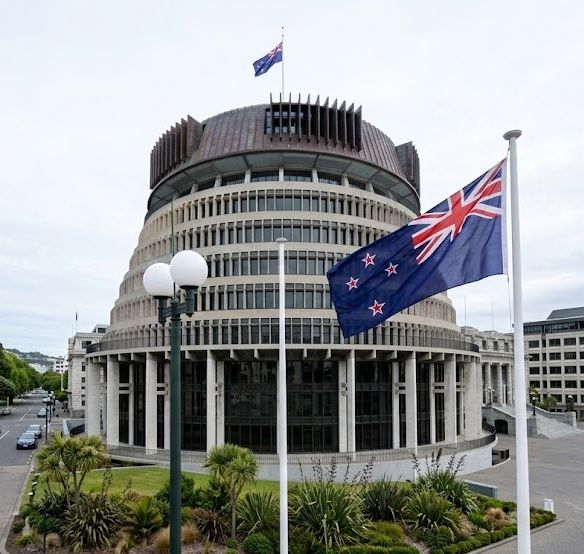

Today, August 6, 2026, New Zealand enters a new era of linguistic policy following the formal recognition of English as an official national language. While English has long served as the primary medium of communication, government, and law across the archipelago, it previously lacked the de jure status held by Te Reo Māori and New Zealand Sign Language. The country now officially counts English among its state languages, concluding a legislative process that has sparked significant national dialogue.
Legislative Formalization of English
The passage of the English Language Bill marks a definitive shift in the country’s legal framework. The bill was designed to codify the status of English, which had historically operated as the functional language of the state without formal statutory designation.
Lawmakers in New Zealand successfully moved the bill through its final stages this week. Proponents of the legislation argue that the move provides legal clarity and recognizes the reality of daily life for the majority of New Zealanders. However, the path to enactment was not without friction, as the bill faced scrutiny over its necessity and its potential impact on the country's bicultural foundations.
Political Backlash and Parliamentary Friction
The legislative process was met with sharp criticism from various political quarters. Some opponents labeled the move redundant, with critics mocking the law as "pathetic" and viewing it as a symbolic gesture rather than a practical necessity.
In Parliament, the debate grew heated. One parliamentarian delivered a fiery speech in which they referred to English as a "bast*rd language." Further opposition was led by MP Tamatha Paul, who, delivered a passionate address against the bill. Critics often argued that English’s dominance was already secured and that formalizing it could detract from the ongoing efforts to revitalize and protect indigenous languages.
Cultural Context and the Commissioner’s Stance
The conversation surrounding the bill also involved leadership from the Māori community. The Māori Language Commissioner weighed in on the development, providing a perspective on the relative standing of the languages. The Commissioner stated that English "didn't have to compete" for official status, highlighting the language's inherent global and domestic power.
Despite the controversy, the government moved forward with the recognition. The official recognition proceeded despite the criticism, suggesting a legislative priority to define the national identity through all its primary communicative forms.